
Quick Read
- Tesla’s sales in Europe have declined for five consecutive months.
- European EV market growth contrasts Tesla’s struggles.
- Legacy automakers and new entrants challenge Tesla’s dominance.
- Market analysts point to supply chain issues and evolving consumer preferences.
- Tesla’s European market performance raises questions about its strategy.
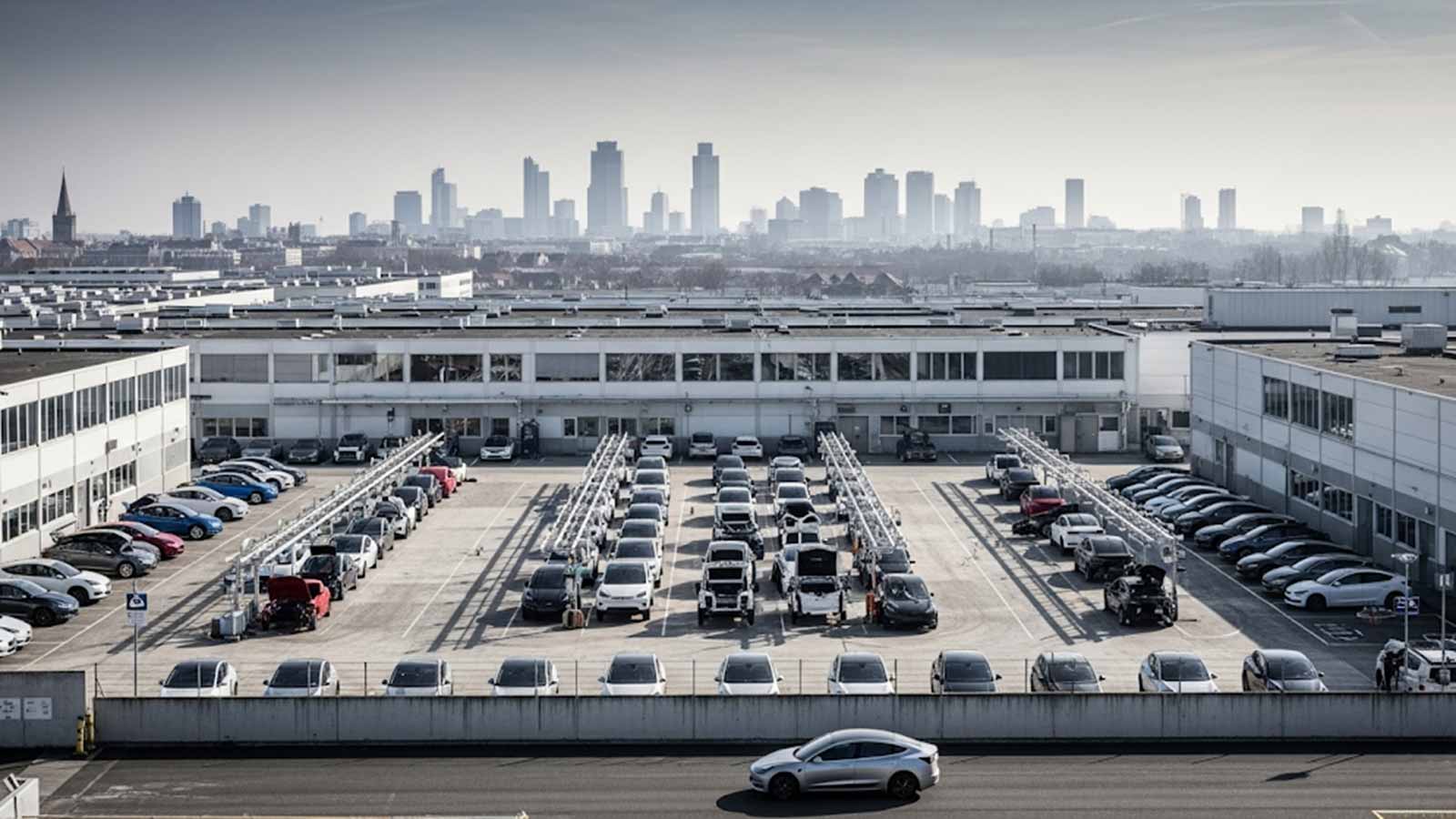
The Tesla brand has always been synonymous with sleek innovation and the promise of an electrified future. But in Europe, the electric vehicle pioneer is facing a harsher reality: five straight months of declining sales. For a region where the electric vehicle (EV) market is growing, this slump feels like a paradox—and perhaps a warning.
Europe’s EV Market Grows, But Tesla Stumbles
While Tesla’s sales in Europe have been sliding, the broader EV market is accelerating. According to data from Reuters, European EV registrations in 2023 have grown by over 20% compared to the previous year. Yet Tesla, once a dominant force, seems to be losing its foothold. The reasons appear as varied as the European landscape itself: supply chain hiccups, stronger competition, and shifting consumer tastes.
For instance, legacy automakers like Volkswagen and BMW have stepped up their EV game, offering vehicles that are not only competitively priced but also tailored to European drivers. Local brands are leveraging familiarity with regional preferences—whether it’s compact urban cars or models designed for winding Alpine roads.
Supply Chain Woes and Shifting Preferences
Analysts from Fox News suggest Tesla’s challenges in Europe are partly logistical. The company’s Berlin Gigafactory, which was expected to streamline operations, has faced delays and production bottlenecks. While Tesla has prioritized production of its higher-margin models like the Model S and Model X, European buyers have shown greater interest in affordable, practical EVs.
Moreover, the narrative of Tesla as the only EV pioneer is fading. Brands like Kia and Hyundai are offering vehicles with comparable range and features at lower price points. “Tesla isn’t the only show in town anymore,” noted an industry expert in USA TODAY. For consumers, this means more options, but for Tesla, it means a tighter market squeeze.
Consumer Sentiment: A Shift in the Air?
Then there’s the emotional dimension. Tesla, once viewed as the embodiment of clean energy and cutting-edge tech, is facing a subtle shift in perception. Criticisms around CEO Elon Musk’s polarizing public persona may also be playing a role, particularly in socially conscious markets like Germany and Scandinavia.
Coupled with this, European governments have begun rolling back EV subsidies. Countries like Norway, which once heavily incentivized EV purchases, are scaling back support, affecting consumer affordability and, by extension, Tesla’s sales.
What’s Next for Tesla in Europe?
As Tesla looks to regain its momentum, it may need to recalibrate its European strategy. Some experts suggest the company must focus on developing region-specific models or even revisit its pricing strategy to remain competitive. Others believe Tesla’s strength lies in its charging network, which remains unparalleled in Europe, and could be leveraged more aggressively.
For now, Tesla remains a key player in the global EV market. But the cracks appearing in Europe may signal that even the pioneers of a revolution aren’t immune to the challenges of evolution.
Even giants have to adapt—or risk being outpaced by the very movement they helped create.