
Quick Read
- Tesla missed Q1 delivery targets with 358,023 vehicles, down 14.4% from the previous quarter.
- The company has recorded two consecutive years of declining deliveries for the first time in its history.
- Investor focus is shifting from EV sales to the success of upcoming autonomous taxi and robotics initiatives.
Tesla shares fell nearly 4% in premarket trading on Thursday after the company reported first-quarter delivery numbers that failed to meet Wall Street expectations. The automaker delivered 358,023 vehicles during the January-March period, a 14.4% decrease from the previous quarter, signaling a challenging start to a year deemed critical for the company’s transition toward autonomous technologies.
Missing Delivery Targets Amid Market Shifts
The latest figures from Tesla confirm a concerning trend, as the company has now posted two consecutive years of declining deliveries for the first time in its history. Analysts surveyed by Visible Alpha had projected 368,903 vehicle deliveries, but the actual output fell short as the expiration of U.S. federal tax credits hampered consumer demand. This performance drop highlights the intensifying pressure the company faces in both domestic and international markets, where it continues to lose ground to competitors such as BYD.
China Sales Growth and Geopolitical Factors
Despite the global slump, Tesla’s Shanghai factory showed resilience, with sales of Model 3 and Model Y vehicles rising 8.7% in March compared to the previous year. This growth marks five consecutive months of increased sales, bolstered by a steady recovery in European demand. Market analysts suggest that ongoing volatility, including higher oil prices linked to the conflict in Iran, may inadvertently benefit the electric vehicle sector by increasing the cost of conventional fuel, potentially providing a tailwind for EV adoption in the coming months.
The Pivot to Autonomous Robotics
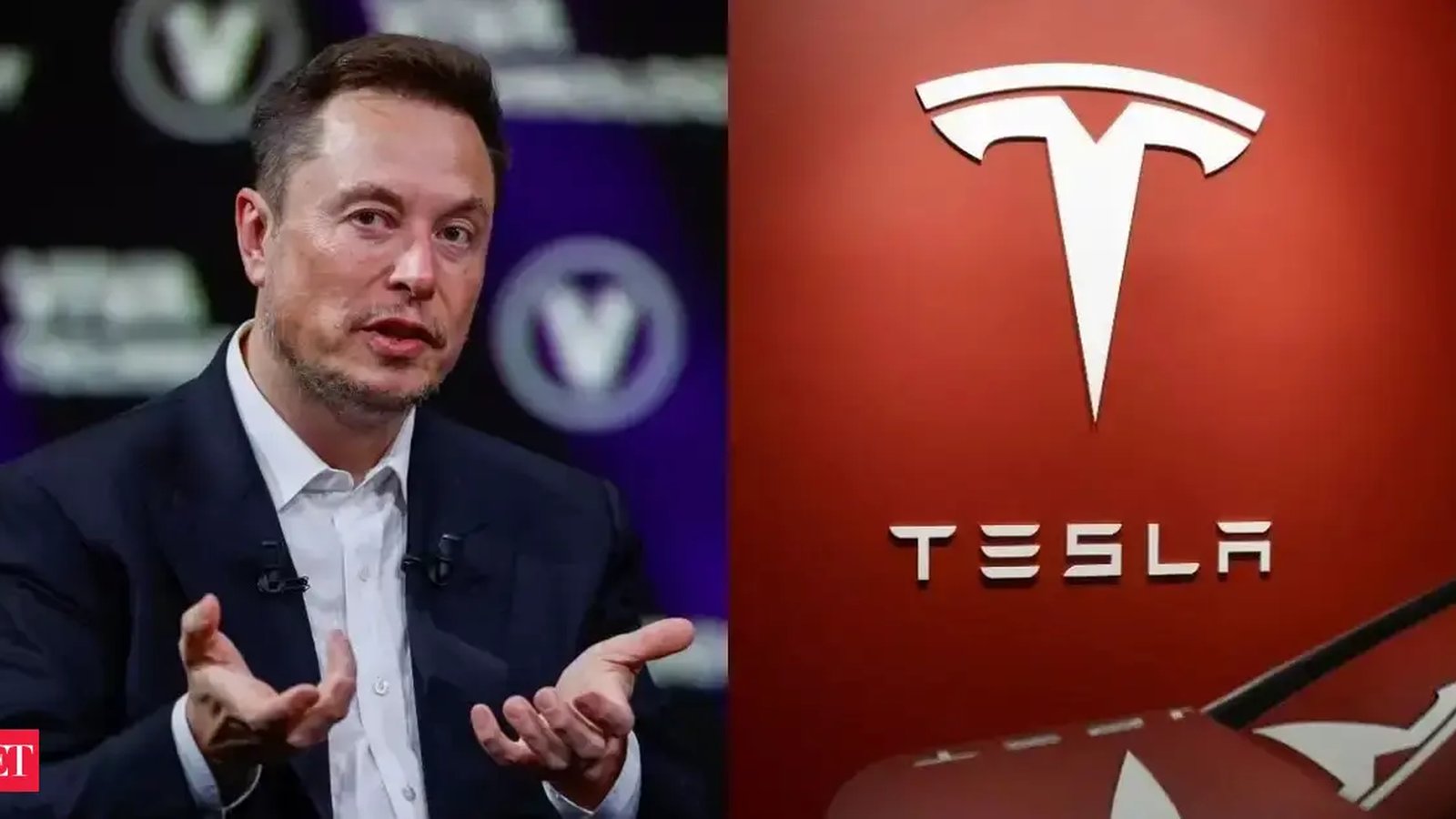
For CEO Elon Musk, the current delivery shortfall serves as a backdrop to a broader, high-stakes pivot toward physical AI and robotics. With the company’s traditional EV business facing stagnation, investor attention is shifting toward the upcoming mass production of Optimus robots and the development of autonomous taxi services. While some market observers view current stock valuations as a potential entry point, the company’s ability to sustain its premium market position now rests on its success in executing these ambitious, unproven technological moonshots before the end of 2027.
The persistent decline in delivery volume suggests that Tesla is no longer shielded by its status as a market leader, forcing the company to transition from a growth-focused EV manufacturer to a speculative AI innovator, a shift that leaves its stock price increasingly tethered to the successful deployment of autonomous infrastructure rather than automotive sales alone.