
Quick Read
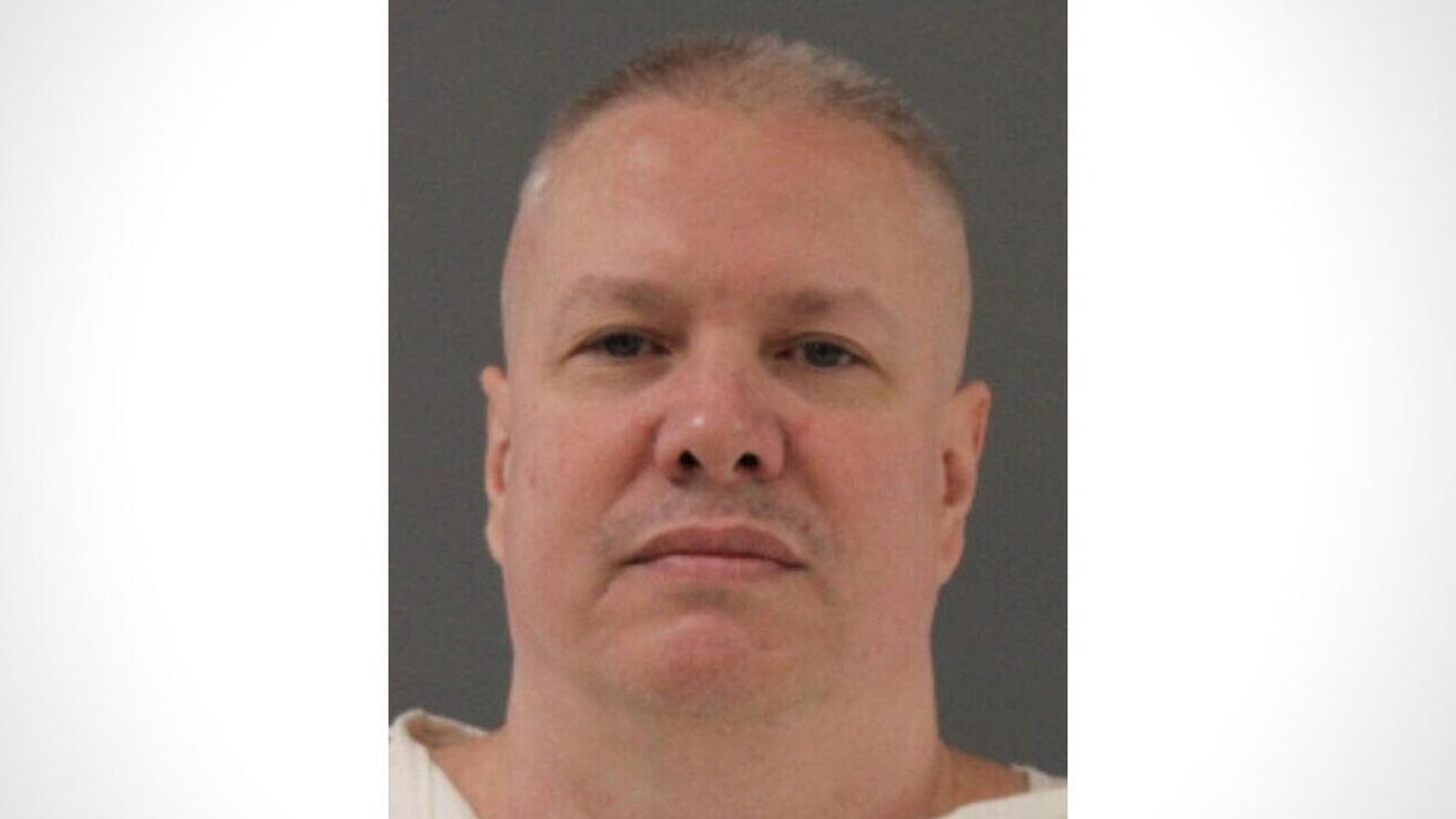
- Charles Victor Thompson is scheduled for execution in Texas on Wednesday evening by lethal injection.
- He was condemned for the April 1998 double murder of his ex-girlfriend Glenda Hayslip and her new boyfriend Darren Cain.
- If carried out, it would be the first execution in the United States in 2026.
- Thompson’s attorneys argued Hayslip’s death was due to medical negligence, a claim rejected by courts.
- He famously escaped from Harris County Jail in 2005 and was recaptured three days later.
Huntsville, Texas (Azat TV) – Charles Victor Thompson, a 55-year-old man condemned for the 1998 double murder of his ex-girlfriend and her new boyfriend, is scheduled to be executed by lethal injection on Wednesday evening at the state penitentiary in Huntsville. If carried out, Thompson’s execution would mark the first in the United States in 2026, drawing immediate national attention to ongoing debates surrounding capital punishment, the legal system’s lengthy processes, and the pursuit of justice after more than two decades.
Thompson’s case has been a focal point for both advocates and critics of the death penalty, encapsulating complex issues ranging from domestic violence to alleged medical negligence and a notorious prison escape. His impending execution follows a series of appeals and legal challenges that have spanned over 25 years, underscoring the protracted nature of capital punishment cases in the U.S. judicial system.
The Crime and Its Aftermath
The tragic events unfolded in April 1998 in Tomball, a suburb of Houston. According to court records, Thompson, then 35, fatally shot 39-year-old Glenda Dennise Hayslip and her 30-year-old boyfriend, Darren Keith Cain. Prosecutors with the Harris County District Attorney’s office stated that Thompson and Hayslip had been romantically involved for a year, but their relationship deteriorated due to Thompson’s ‘increasingly possessive, jealous and abusive’ behavior.
On the night of the killings, Thompson confronted Cain at Hayslip’s apartment around 3 a.m., leading to an argument. Police were called and instructed Thompson to leave the apartment complex. However, Thompson returned approximately three hours later, armed, and shot both Hayslip and Cain. Cain died at the scene, while Hayslip succumbed to her injuries a week later in a hospital.
Thompson’s defense attorneys have consistently argued that Hayslip’s death was not a direct result of the gunshot wound but rather flawed medical care she received after the shooting. They claimed she sustained severe brain damage from oxygen deprivation following a failed intubation. This argument was previously tested in a 2002 lawsuit filed by Hayslip’s family against one of her doctors, alleging medical negligence. A jury in that civil case ruled in favor of the doctor, effectively rejecting the claim of medical malpractice as the primary cause of death.
Decades of Legal Battles
The legal journey for Charles Victor Thompson has been exceptionally long and fraught with challenges. After his initial conviction, his death sentence was overturned. A new punishment trial was held in November 2005, where a jury once again ordered him to die by lethal injection. This re-sentencing reinforced the state’s determination to pursue the death penalty in his case.
Throughout the years, Thompson’s legal team mounted numerous appeals, often focusing on the medical negligence argument regarding Hayslip’s death. However, these efforts ultimately proved unsuccessful. Most recently, on Monday, the Texas Board of Pardons and Paroles denied Thompson’s request to commute his death sentence to a lesser penalty, clearing the final administrative hurdle for the execution to proceed.
The families of Glenda Hayslip and Darren Cain have consistently expressed their desire for justice. Prosecutors with the Harris County District Attorney’s office emphasized in court filings that these families ‘have waited over twenty-five years for justice to occur,’ highlighting the emotional toll and prolonged suffering experienced by victims’ relatives in such cases.
A Notorious Escape and Recapture
Adding another layer of notoriety to Thompson’s case was his dramatic escape from the Harris County Jail in Houston shortly after his 2005 re-sentencing. Thompson managed to walk out the front door of the jail, virtually unchallenged by deputies, by waving an ID badge he had fashioned from his prison ID card. He remained on the run for three days, a period he later described in a 2005 interview with the Associated Press as a chance to ‘smell the trees, feel the wind in my hair, grass under my feet, see the stars at night.’
Thompson’s brief taste of freedom ended when he was apprehended in Shreveport, Louisiana, approximately 200 miles away. Authorities found him outside a liquor store, reportedly intoxicated and using a pay phone to arrange wire transfers of money from overseas, intending to flee to Canada. His recapture brought an end to a high-profile manhunt and further solidified his status as a controversial figure within the justice system.
Broader Implications for Capital Punishment
Thompson’s scheduled execution serves as a significant marker for the ongoing national conversation about capital punishment. Texas has historically conducted more executions than any other U.S. state, though Florida led in 2025 with 19 executions. As the first execution of 2026, it is expected to reignite protests and discussions among advocacy groups, lawmakers, and the public regarding the morality, efficacy, and fairness of the death penalty.
Advocacy organizations pushing for justice reform are likely to mobilize around Thompson’s case, using it as a platform to argue against the death penalty and highlight perceived flaws in the system. The outcome in Texas could influence legislative efforts in other states with active death penalty statutes, potentially accelerating calls for reform or abolition. The case also resonates internationally, particularly in countries like Canada and the UK, where similar ethical debates surrounding judicial practices are prevalent.
The protracted nature of the Charles Victor Thompson case, from the initial crime to the decades of legal maneuvering and his dramatic escape, underscores the profound complexities and societal divisions inherent in the application of capital punishment. It highlights not only the justice system’s capacity for lengthy processes but also the enduring emotional and ethical dilemmas it poses for victims’ families, legal advocates, and the broader public.