
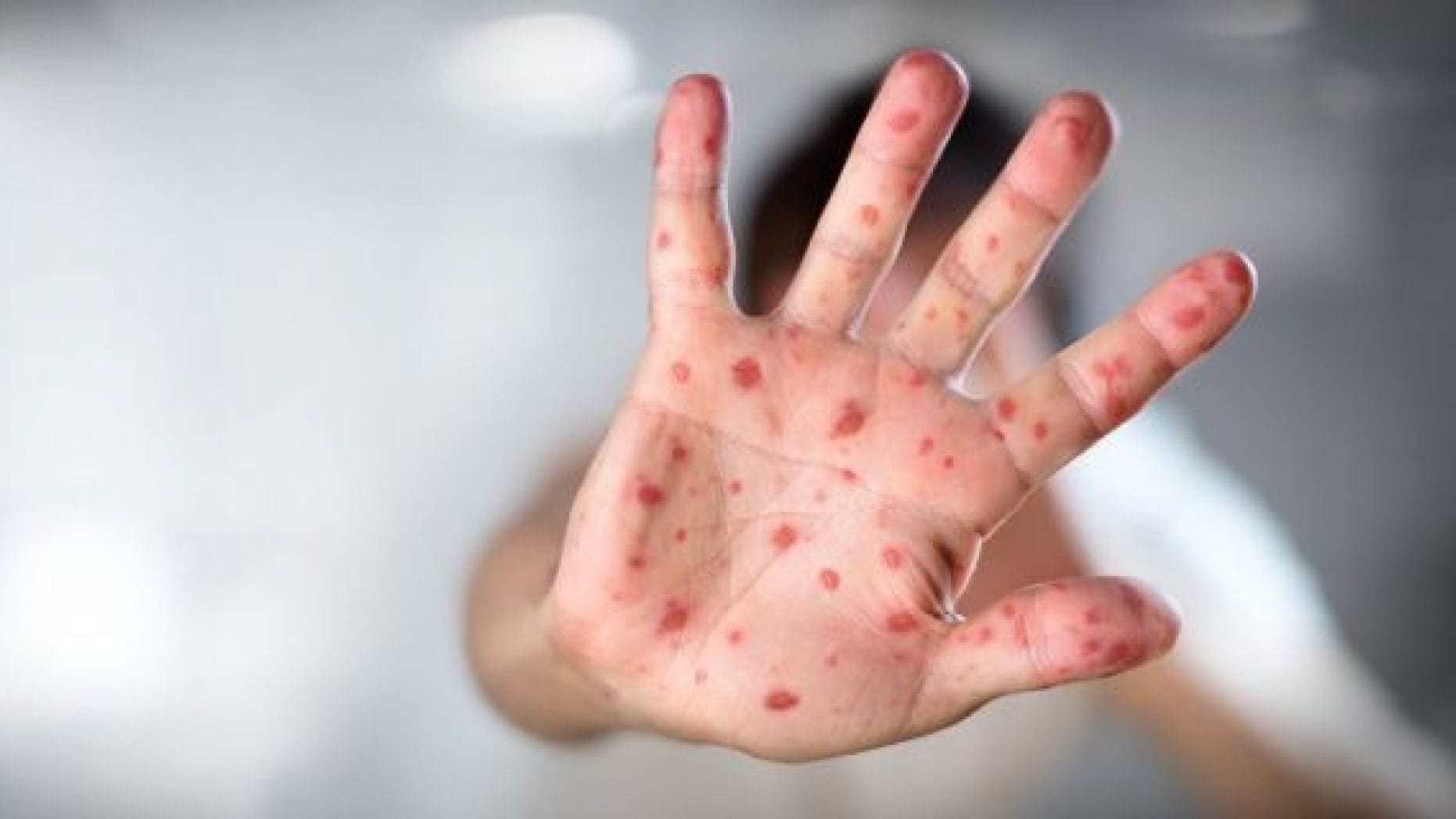
- Over 700 people infected in Texas’ largest measles outbreak since 2000.
- 90+ individuals hospitalized; two children have died.
- Public health officials cite declining vaccination rates as a key factor.
- Misinformation campaigns complicate efforts to boost immunizations.
- Federal funding cuts have hampered local outbreak responses.
Texas Battles Largest Measles Outbreak Since 2000
Texas is currently grappling with its largest measles outbreak in over two decades, with more than 700 confirmed cases, over 90 hospitalizations, and two fatalities reported. The outbreak has raised alarms among public health officials, who attribute the resurgence of the disease to declining vaccination rates and the spread of misinformation about vaccines.
Scope and Impact of the Outbreak
According to the Centers for Disease Control and Prevention (CDC), this outbreak surpasses the 2019 New York outbreak, previously the largest since measles was declared eradicated in the United States in 2000. Katherine Wells, the public health director for Lubbock, Texas, described the situation as both alarming and frustrating. “We have the solution, which is a very effective vaccine,” she stated, emphasizing the preventable nature of the disease.
The outbreak has disproportionately affected children, with two otherwise healthy children succumbing to the disease. Measles, a highly contagious virus, can lead to severe complications such as pneumonia, encephalitis, and even death, particularly in unvaccinated populations.
Declining Vaccination Rates
One of the primary drivers of the outbreak is the declining immunization rates among kindergarteners in Texas, a trend mirrored nationally. Wells noted that vaccine hesitancy fueled by misinformation has significantly contributed to this decline. “Anti-vaccine advocates are moving ten times the speed we are,” she remarked, highlighting the challenges of countering false claims about vaccine safety.
In West Texas, where the outbreak is concentrated, public health officials are working tirelessly to educate communities about the importance of the measles, mumps, and rubella (MMR) vaccine. Despite these efforts, misinformation campaigns continue to undermine public confidence in vaccines and public health initiatives.
Challenges in Combating Misinformation
The spread of vaccine misinformation has been likened to a “misinformation machine” by Wells. Organizations like the Children’s Health Defense have been accused of disseminating false claims and promoting unproven remedies, further complicating public health efforts. “Being healthy or taking supplements will not prevent your child from getting measles,” Wells warned, stressing the importance of vaccination.
Public health workers face an uphill battle in dispelling myths and educating the public. One-on-one conversations with hesitant parents have proven effective in some cases, but these efforts require significant time and resources.
Federal Funding Cuts Exacerbate the Crisis
The outbreak has been further complicated by federal funding cuts. In March, the U.S. Department of Health and Human Services canceled over $11 billion in public health grants, leaving local health departments like Lubbock’s scrambling for resources. “We don’t have the funds to respond adequately,” Wells lamented, noting that the state of Texas has provided limited support.
Despite these setbacks, public health workers remain committed to their mission. Teams are working seven days a week to manage the outbreak, from testing and treating infected individuals to educating the public and coordinating with local healthcare providers.
Hope Amid Challenges
While the situation is dire, there are glimmers of hope. Wells shared a story of a mother who, after years of vaccine hesitancy, brought her five children to be vaccinated. “It’s uplifting,” she said, describing the sense of accomplishment and renewed energy such moments bring to exhausted public health workers.
Looking ahead, Wells hopes to rebuild trust in science and public health. “Ten years from now, I want people to trust vaccines and believe in community,” she said, expressing optimism that the narrative around vaccines can change.
As the outbreak continues, the focus remains on increasing vaccination rates and combating misinformation. Public health officials urge parents to vaccinate their children and rely on credible sources for information about vaccines.
Source: Centers for Disease Control and Prevention (CDC), Tradeoffs