

Quick Read
- TG Jones owes £3.4 million in unpaid business rates.
- The company faces potential insolvency by late June.
- Up to 150 stores are slated for closure under restructuring plans.
Imminent Enforcement Risks
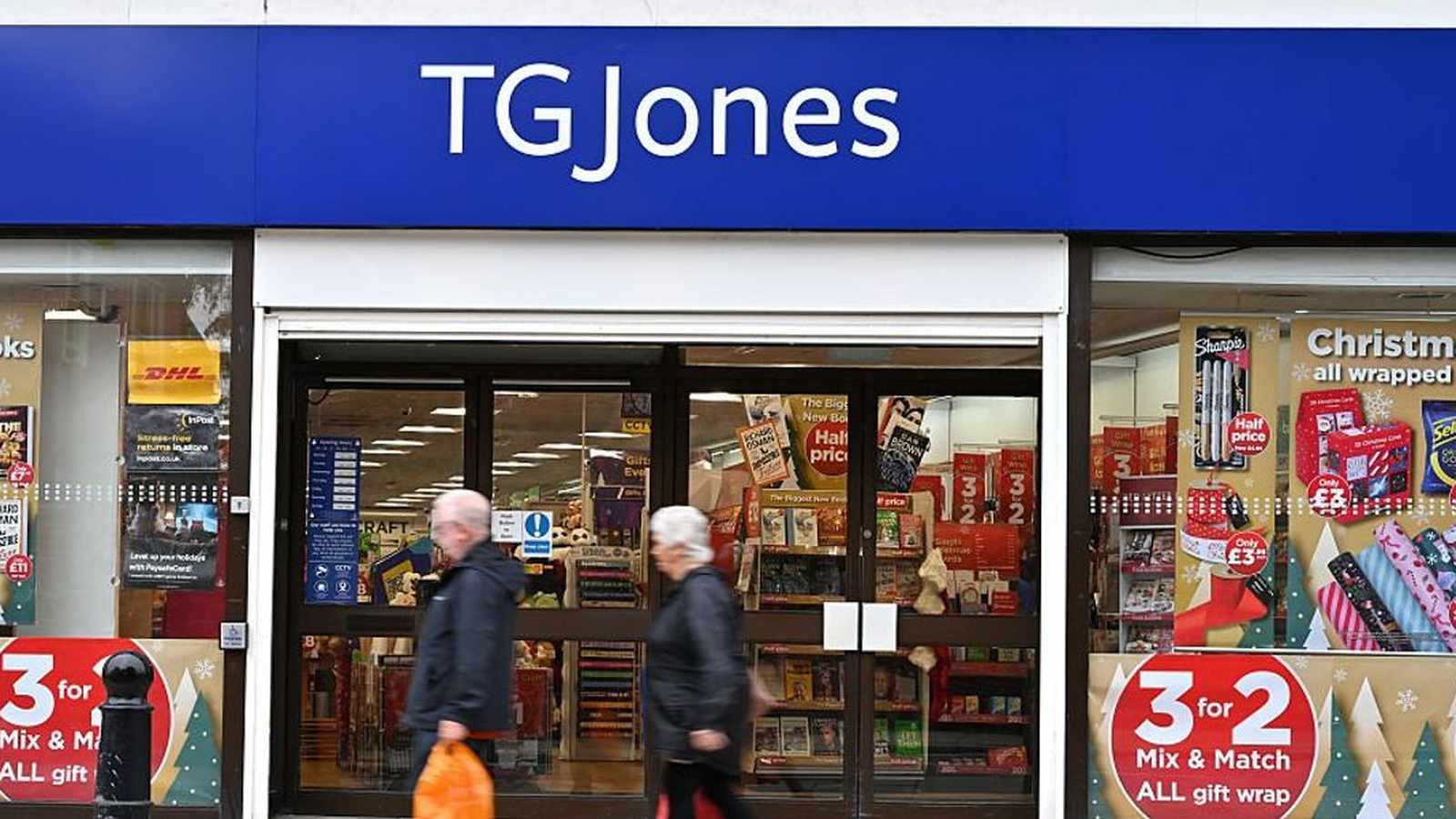
TG Jones, the retail chain operating hundreds of former WH Smith locations, is currently facing a severe liquidity crisis that has triggered urgent threats of bailiff action. Documents released as part of a restructuring proposal indicate that the company owes £3.4 million in unpaid business rates to various local authorities. Private equity owner Modella has acknowledged receiving multiple court summonses and demand letters, warning that local councils may soon initiate enforcement proceedings, including the seizure of goods or the filing of winding-up petitions.
The Scale of Debt and Restructuring
Beyond the immediate business rates arrears, the company’s financial position is precarious. TG Jones is currently carrying £8.4 million in outstanding tax liabilities owed to HMRC, alongside £4 million in debts to suppliers. Modella has stated that the business is projected to exhaust its cash reserves by the end of June unless a comprehensive restructuring plan is accepted by stakeholders. The proposed measures include zero rent for three years on over 120 properties and significant rent reductions of 15% to 75% across the remainder of the 450-store estate.
Criticism of Private Equity Practices
The situation has drawn intense scrutiny from political figures and industry analysts. Justin Madders, a former employment minister, has criticized the restructuring proposal as a mechanism that shifts the financial burden onto the public sector. Specifically, concerns have been raised regarding Modella’s practice of charging TG Jones licensing fees for the use of the newly created brand name while simultaneously defaulting on tax obligations to local councils and HMRC. Critics have likened this approach to the collapse of BHS, describing it as a predatory extraction of value from a high-street asset.
Operational Impact
Retail analyst Stephen Springham of Knight Frank has challenged the narrative that broader market conditions are to blame, noting that the stationery and book sectors have performed robustly over the past year. Instead, he points to the strategic failures following the rebranding process. As a result of the proposed restructuring, CEO Alex Willson has warned staff that the company expects to shutter up to 150 stores, with widespread job losses anticipated as an inevitable consequence of the downsizing.
Assessment: The crisis at TG Jones highlights the recurring tensions between private equity-led retail ownership and public fiscal responsibility. With the company’s cash runway set to expire by late June, the success of these negotiations hinges on landlord cooperation. Should the restructuring fail, the resulting store closures and potential insolvency will likely trigger significant economic strain on local high streets and raise further questions regarding the accountability of private equity firms in managing essential retail infrastructure.