
Quick Read
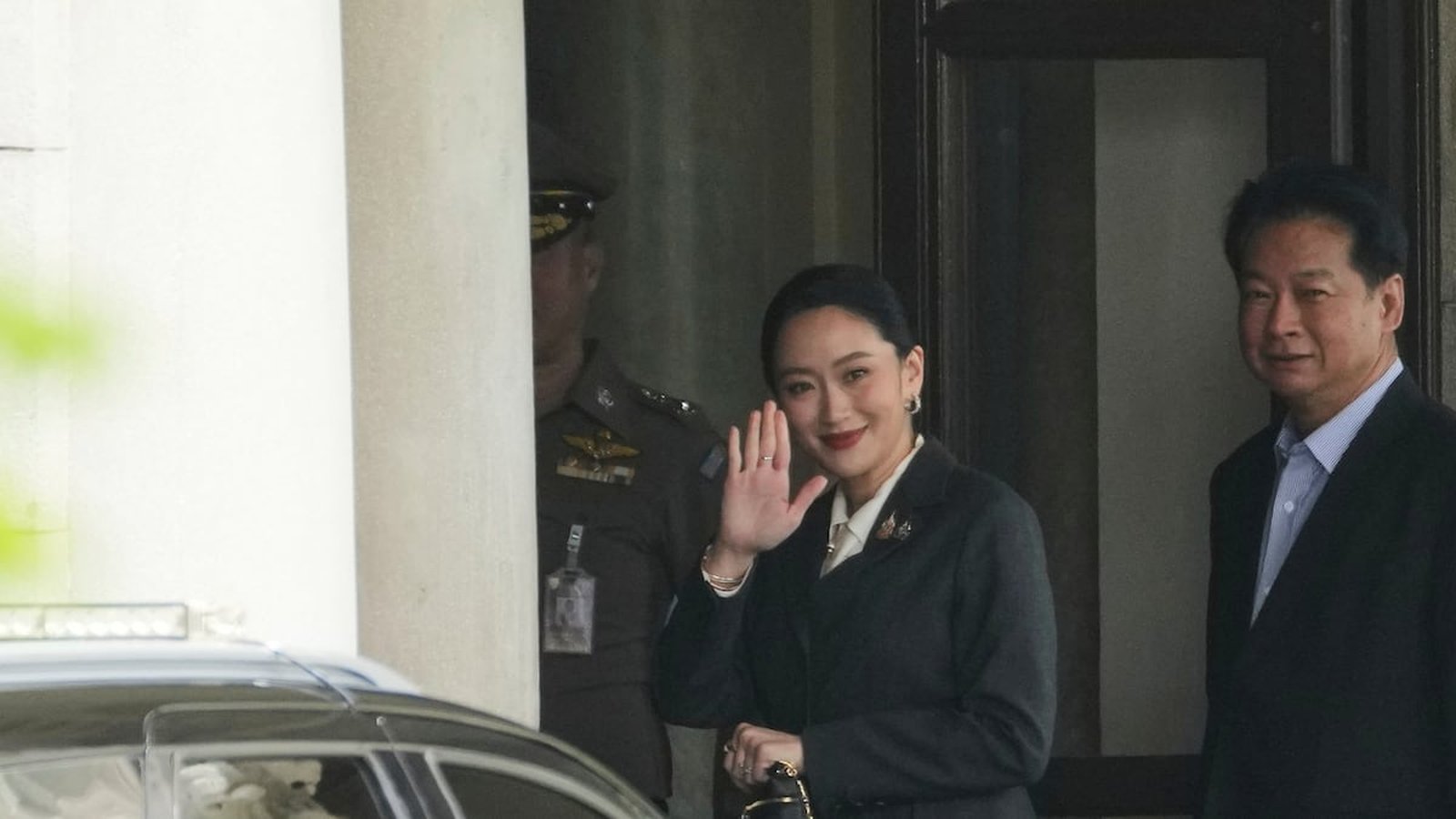
- Thailand’s Constitutional Court dismissed PM Paetongtarn Shinawatra on August 29, 2025, for ethical violations in a leaked phone call.
- The controversial call with Cambodia’s former leader Hun Sen occurred during heightened border tensions.
- This marks another blow to the Shinawatra political dynasty, following similar dismissals of her father and aunt.
- The ruling coalition led by Pheu Thai Party now faces instability and uncertainty in forming a new government.
- Thailand’s political future remains uncertain amidst growing public dissatisfaction and economic challenges.
Thailand’s political landscape was shaken on August 29, 2025, as the Constitutional Court dismissed Prime Minister Paetongtarn Shinawatra from office. The ruling centered on a leaked phone call with Cambodia’s former leader, Hun Sen, during escalating tensions between the two nations. This decision not only ends Paetongtarn’s tenure but also deepens the political instability that has plagued the country for years.
The Leaked Phone Call and Its Fallout
The controversy began with a phone call on June 15, 2025, between Paetongtarn Shinawatra and Hun Sen, Cambodia’s Senate President and former Prime Minister. The call was reportedly an attempt to ease tensions after a Cambodian soldier was killed in disputed border territory in May. However, the tone of the conversation, leaked by Hun Sen himself, sparked outrage in Thailand. Critics accused Paetongtarn of undermining national security by appearing overly conciliatory and referring to a Thai army general as an “opponent.”
According to The Associated Press, the leaked audio came as the two nations were on the brink of armed conflict, with border skirmishes in late June resulting in five days of combat, dozens of casualties, and over 260,000 displaced civilians. While Paetongtarn argued that her actions aimed to prevent further escalation, the court ruled her conduct violated constitutional ethics standards.
The Court’s Ruling and Its Implications
In a 6-3 decision, the Constitutional Court determined that Paetongtarn’s actions constituted a breach of ethical standards. However, as reported by TrendRod, the court acknowledged that her intentions were not dishonest but rather an effort to uphold Thailand’s national interests. Nevertheless, the ruling immediately removed her from office, marking the end of her nearly one-year tenure as Thailand’s youngest prime minister.
The decision also highlights the immense power wielded by Thailand’s Constitutional Court. Established in 1997 to safeguard democracy, the court has frequently intervened in political disputes, often dissolving parties or removing elected leaders. Critics argue this judicial authority has become a tool for conservative elites to suppress reformist movements, as noted by ABC News.
Impact on the Shinawatra Dynasty
The dismissal of Paetongtarn Shinawatra is another blow to the influential Shinawatra family, which has dominated Thai politics for over two decades. Her father, Thaksin Shinawatra, and her aunt, Yingluck Shinawatra, both served as prime ministers before being ousted by military coups in 2006 and 2014, respectively. Paetongtarn’s removal underscores the persistent power struggle between the Shinawatra-backed Pheu Thai Party and Thailand’s conservative establishment.
As DD News reported, the ruling coalition led by Pheu Thai is now on shaky ground, with the withdrawal of key partner Bhumjaithai Party leaving it with a slim majority. The uncertainty has raised questions about the party’s ability to maintain its leadership or form a stable government in the coming months.
What Lies Ahead for Thailand?
The immediate focus shifts to selecting Paetongtarn’s successor. Deputy Prime Minister Phumtham Wechayachai will serve as caretaker leader until a new prime minister is elected by parliament. However, as political scientist Stithorn Thananithichot told Reuters, this process may face significant delays due to fragmented alliances and competing interests among coalition parties.
Thailand’s political future remains uncertain, with public dissatisfaction growing over stalled reforms and a sluggish economy. The Pheu Thai Party faces mounting pressure to deliver stability, while opposition groups, buoyed by popular support, may push for early elections. Observers warn that prolonged political instability could further erode public trust in the country’s democratic institutions.
As Thailand grapples with its latest political upheaval, the road ahead appears fraught with challenges. The dismissal of Paetongtarn Shinawatra underscores the fragility of the nation’s democratic framework and the enduring divisions within its political system.