
Quick Read
- Prime Minister Anutin Charnvirakul dissolved Thailand’s parliament on December 12, 2025, to avoid a no-confidence vote by the opposition PPP.
- Snap elections will be held within 45 to 60 days amid deadly clashes with Cambodia that have killed at least 20 and displaced hundreds of thousands.
- Anutin claims he is returning power to the people, but critics say it’s a move to avoid impeachment.
- The country faces economic uncertainty, with investor confidence shaken and policy decisions on hold until a new government is formed.
- Resolving the Thailand-Cambodia border conflict will be a top priority for the next government.
Thailand’s Sudden Political Reset: Why Parliament Was Dissolved
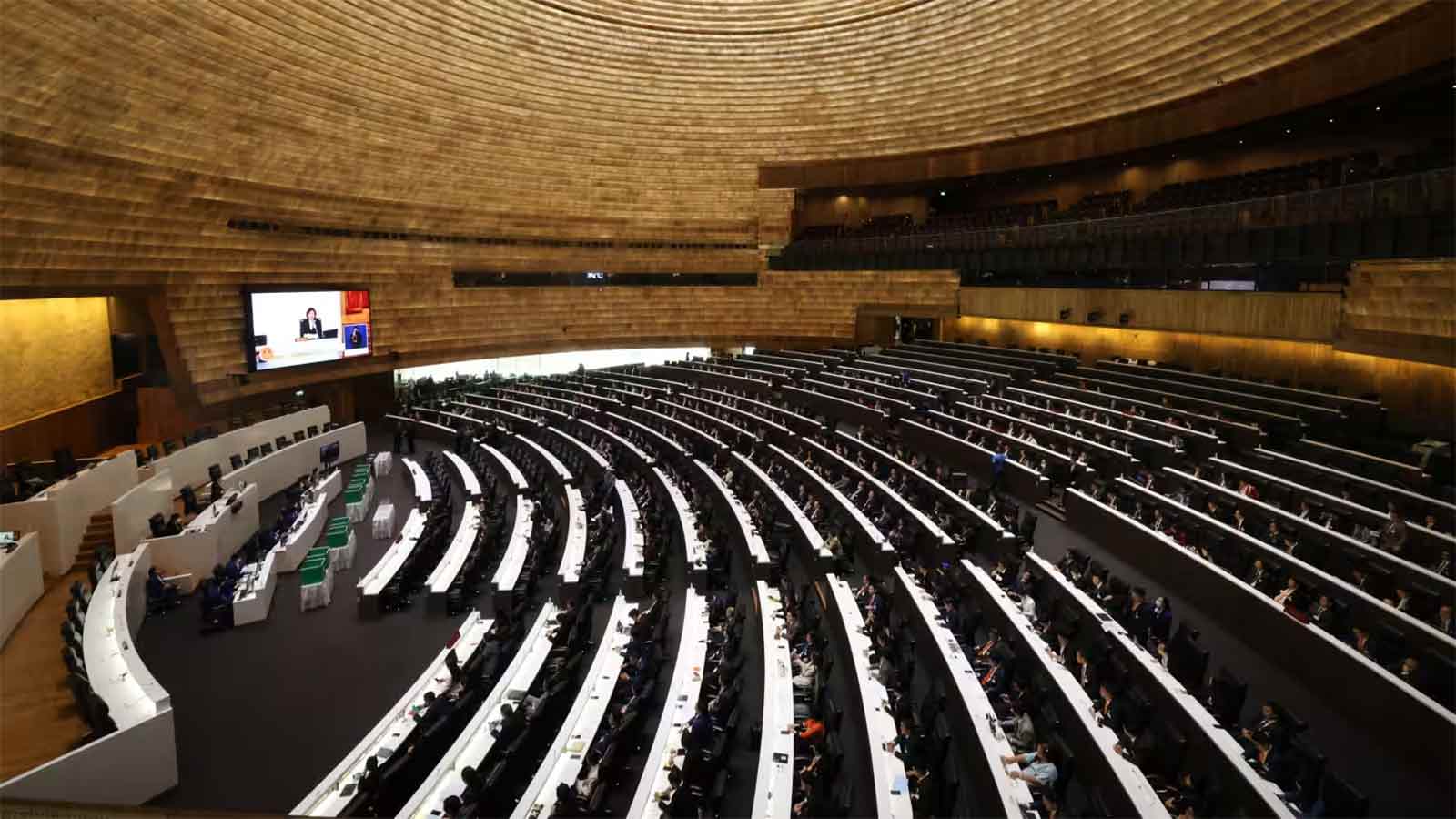
Thailand has found itself once again at the crossroads of political turbulence. On December 12, 2025, Prime Minister Anutin Charnvirakul made a dramatic move: he dissolved the country’s parliament, triggering snap elections only three months into his term. This wasn’t a routine political maneuver—it was a direct response to a threatened no-confidence vote from the opposition People’s Power Party (PPP), which currently holds a parliamentary majority (Foreign Policy).
Anutin’s announcement came late Thursday, with the Prime Minister declaring he was «returning power to the people.» The dissolution was swiftly approved by King Vajiralongkorn, clearing the way for elections to be held within 45 to 60 days. Yet, for many Thais, the gesture raises more questions than it answers. Was this a noble act of democratic accountability, or a calculated bid to sidestep impeachment and political defeat?
The No-Confidence Vote That Never Was
To understand the gravity of this decision, it’s crucial to look at the political chessboard Anutin was facing. The PPP, emboldened by its parliamentary majority, accused the Prime Minister of failing to honor a pact made during September’s election—specifically, a promise to dissolve parliament within four months and organize a constitutional referendum in return for their support. Critics argue Anutin’s dissolution was a last-minute effort to avoid facing the music in a no-confidence showdown.
Yet, the Prime Minister remains defiant. «You voted for me to be the prime minister and are now saying you do not support me anymore and ask me to dissolve parliament. I just did what you asked,» he told reporters. Still, the timing has left the country’s political future in limbo, with a caretaker government that cannot approve a new budget or enact significant policy changes.
Border Clashes and External Pressures
This political upheaval comes against the backdrop of deadly clashes along the Thailand-Cambodia border. Since fighting erupted earlier in the week, at least 20 people have died, over 260 have been injured, and hundreds of thousands have been displaced on both sides. Both governments have accused each other of being the aggressor, escalating a conflict that threatens to draw in regional and international actors.
Amid the chaos, U.S. President Donald Trump intervened, speaking separately with Anutin and Cambodian Prime Minister Hun Manet. Both leaders reportedly agreed to a U.S.-brokered cease-fire, but within hours, Anutin contradicted the peace overtures, insisting that Thailand was merely retaliating against Cambodian aggression. The mixed messages reflect the complexity—and volatility—of the situation.
The Economic and Regional Fallout
The immediate aftermath of parliament’s dissolution is marked by uncertainty. Investor confidence has been rattled, with analysts warning that the lack of a stable government could spur market volatility and deter foreign investment (Meyka). Economic policies are in flux, especially as the caretaker government’s powers are sharply limited. The outcome of the upcoming election will set the tone for Thailand’s fiscal strategies and approach to foreign investment for years to come.
Regionally, the Thailand-Cambodia border conflict looms large. The ability of the next government to resolve this crisis will be a litmus test for stability in Southeast Asia. The border dispute not only affects diplomatic relations, but also threatens to destabilize the wider region if it escalates or drags on unresolved.
What’s at Stake in the Snap Election?
With the snap election on the horizon, the political landscape is wide open. Key players, including Anutin’s Bhumjaithai Party and the PPP, are recalibrating their strategies. Political analysts are watching closely for new alliances, shifts in voter sentiment, and the emergence of fresh faces. The election outcome will determine not just the next prime minister, but the trajectory of constitutional reform, economic recovery, and foreign policy toward Cambodia.
For ordinary Thais, the dissolution has sparked a mixture of hope and skepticism. Some see an opportunity to reset a political system plagued by frequent leadership changes and gridlock. Others fear it’s just another episode in a long-running saga of power struggles and broken promises.
Looking Forward: Risks and Opportunities
The dissolution of Thailand’s parliament is more than a procedural twist—it’s a pivotal moment shaped by internal discord and external threats. The next few months will test the resilience of Thailand’s democratic institutions, the wisdom of its political leaders, and the patience of its people. Will the snap election bring about real change, or will it reinforce old patterns of instability?
One thing is certain: the world is watching. As Thailand navigates this critical juncture, the outcome will have far-reaching implications, not just for its own citizens, but for the balance of power and stability across Southeast Asia.
Thailand’s current turmoil exposes the delicate balance between political maneuvering and genuine democratic renewal. While the dissolution of parliament may avert immediate crisis, its true test will come in the months ahead—when voters, not politicians, decide the country’s fate. The path forward is fraught with uncertainty, but also opportunity for a more accountable and resilient Thai democracy.