
Quick Read
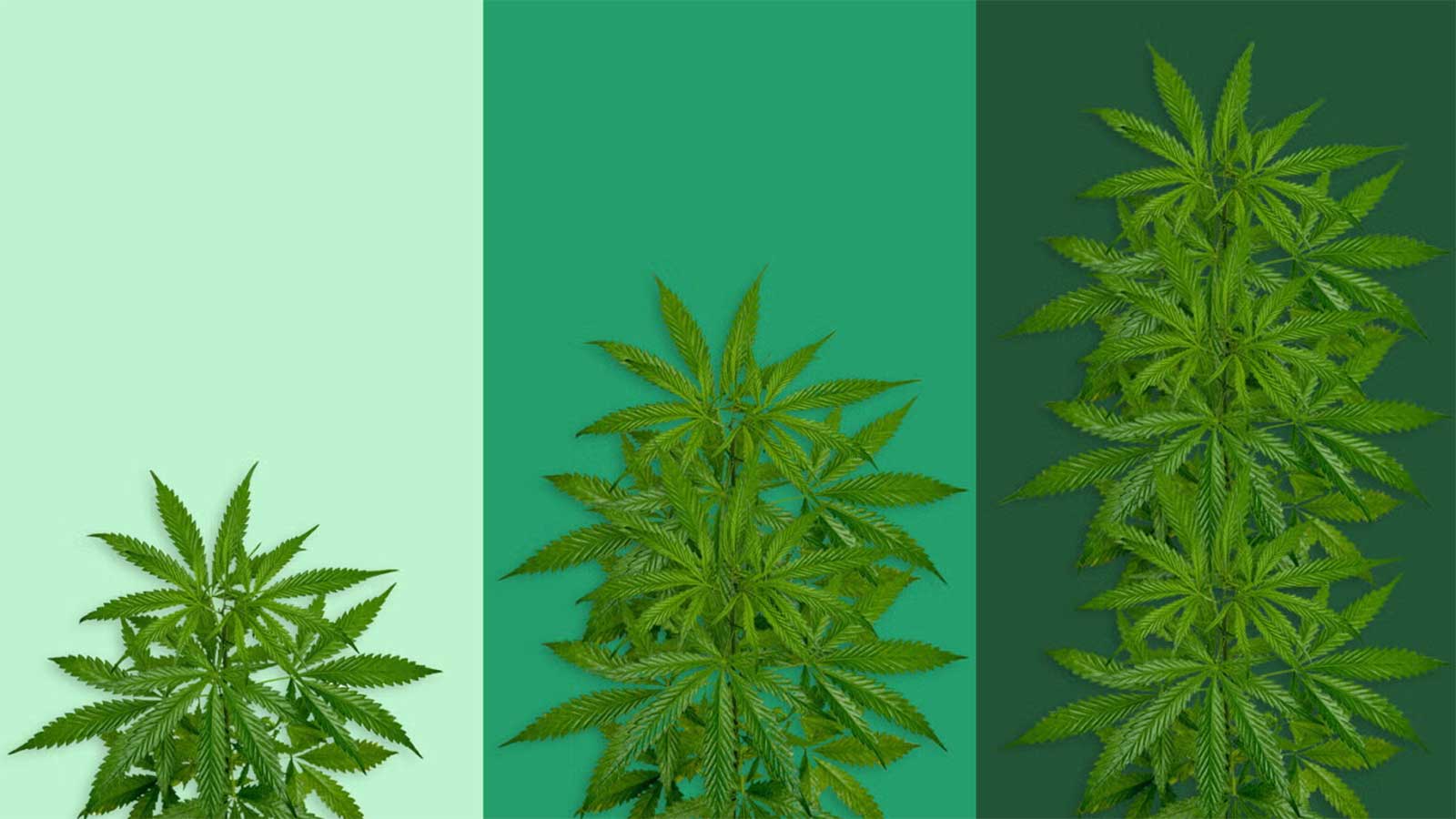
- THC levels in marijuana have risen from under 1.5% in the 1980s to over 30% in many strains today.
- Concentrates like wax and shatter can exceed 90% THC, intensifying health risks.
- High-potency marijuana is linked to addiction, psychosis, and other mental health issues.
- Federal regulation of marijuana potency and safety remains minimal despite legalization in many states.
- States with legal marijuana markets face challenges balancing consumer safety and black-market competition.
THC Levels in Marijuana: A Historical Perspective
Marijuana, once characterized by relatively low levels of THC (tetrahydrocannabinol), has undergone a significant transformation in potency over the past few decades. In the 1980s, the average THC content in confiscated marijuana was less than 1.5%, according to data from the National Institute on Drug Abuse (NIDA). Today, many cannabis strains boast THC levels exceeding 30%, and some concentrates, such as wax and shatter, reach over 90% THC.
This dramatic increase in potency has been driven by advancements in cultivation techniques and the legalization of marijuana in many U.S. states, which has spurred competition in the cannabis industry. However, this evolution has also raised concerns about the health implications of consuming high-potency products.
The Health Risks of High-Potency Marijuana
The rise in THC levels has not been without consequences. Research from NIDA indicates that higher THC concentrations are associated with an increased risk of physical dependence, addiction, and mental health issues. These include anxiety, paranoia, psychosis, and, in severe cases, cannabis use disorder.
In 2021, an estimated 16.3 million Americans aged 12 and older experienced a marijuana use disorder, according to the Department of Health and Human Services. While most cases were mild, approximately 2.6 million people had severe cases, often equated with addiction. Experts like Dr. Smita Das, a Stanford psychiatrist, have highlighted the devastating impact of cannabis use disorder on individuals and families.
Emergency room visits related to marijuana use have also surged. In 2021 alone, approximately 800,000 people sought emergency care for marijuana-related issues, ranging from severe vomiting to psychotic episodes.
Legalization and the Regulatory Gap
The legalization of marijuana in 24 states and Washington, D.C., for recreational use—and in 39 states for medical purposes—has created a booming industry. However, it has also exposed significant gaps in regulation. The federal government classifies marijuana as a Schedule 1 substance under the Controlled Substances Act, meaning it is considered to have no accepted medical use and a high potential for abuse. This classification has limited federal oversight of marijuana products, including their potency and safety.
State-level regulations vary widely. For example, Vermont and Connecticut have implemented THC caps of 30% for cannabis flower and 60% for concentrates, but such measures are rare. Most states lack comprehensive consumer protections, relying instead on warning labels that may not adequately inform users of the risks associated with high-potency products.
Rosalie Liccardo Pacula, a professor at the University of Southern California, has criticized the fragmented regulatory landscape, noting that it leaves consumers vulnerable to health risks. She and other experts have called for federal intervention to establish uniform safety standards.
The Role of the Cannabis Industry
The cannabis industry has played a significant role in shaping the regulatory environment. Industry advocates often argue that stringent regulations, such as potency caps, could drive consumers back to the black market, undermining the legal industry. This argument has influenced state policies, leading to a patchwork of regulations that prioritize market growth over consumer safety.
Companies like Acreage Holdings exemplify the industry’s focus on high-potency products. Their offerings include concentrates marketed as “pure live resin” and “THCa crystalline,” which are billed as the “ultimate in potency.” While these products cater to consumer demand, they also highlight the need for stricter oversight.
Balancing Public Health and Market Growth
States with legal marijuana markets face a delicate balancing act. On one hand, they aim to protect public health by regulating product safety and potency. On the other, they seek to ensure the competitiveness of the legal market to combat the black market, which continues to thrive despite legalization.
For instance, Colorado’s marijuana regulations span over 500 pages but still fall short of comprehensive consumer protections. The state acknowledges that its products are produced “without regulatory oversight for health, safety, or efficacy.” This gap underscores the challenges of creating effective regulations in a rapidly evolving industry.
The Need for Federal Oversight
Experts like former FDA Commissioner Scott Gottlieb have called for federal action to address the regulatory shortcomings of the marijuana industry. In 2019, Gottlieb advocated for a “uniform national scheme for THC that protects consumers.” However, little progress has been made since then.
The FDA, which oversees the safety of food, drugs, and tobacco products, has largely remained on the sidelines when it comes to marijuana. This lack of federal oversight has left states to navigate the complexities of regulation on their own, often with limited resources and expertise.
The evolution of marijuana’s THC potency reflects broader changes in the industry and society’s attitudes toward cannabis. While legalization has brought economic benefits and reduced criminal penalties, it has also introduced new challenges, particularly in ensuring consumer safety. As the industry continues to grow, the need for comprehensive federal oversight becomes increasingly urgent. Without it, the risks associated with high-potency marijuana will likely persist, posing significant public health concerns.