
Russo Brothers’ “Electric State” Aims for Pixar Magic on Netflix
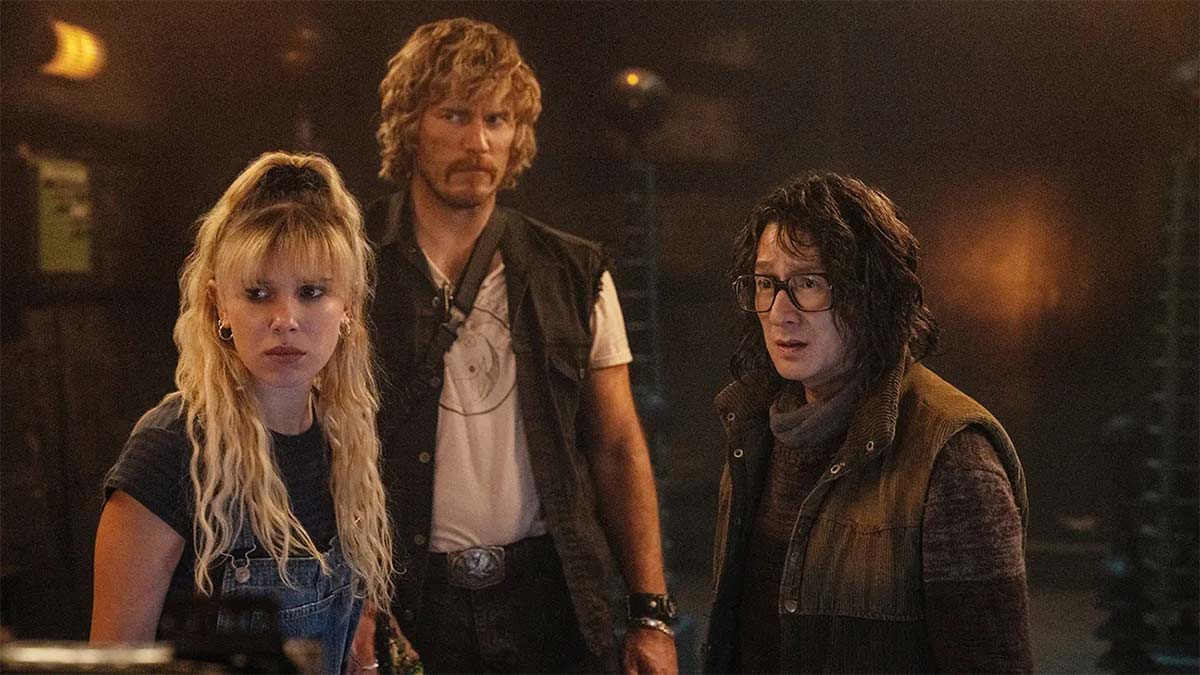
American filmmakers Anthony and Joe Russo, renowned for their work on Marvel’s “Avengers: Infinity War” and “Avengers: Endgame”, have unveiled their latest venture, “The Electric State,” now streaming on Netflix. Set in an alternate 1997 following a war against robots, the film follows Michelle (Millie Bobby Brown), who embarks on a journey to find her presumed dead brother Christopher after a robot claiming to be him arrives at her home. Along her path into a zone where robots are outlawed, she teams up with Keats (Chris Pratt), a scavenger, encountering deformed robots and virtual reality-driven mechanical avatars.
The Russo brothers expressed a clear vision for “The Electric State,” with Joe Russo stating their “intention was to make a live-action Pixar movie”. They aimed to capture the “same tone and depth of storytelling, emotion, laughter, tears” associated with the animation studio, striving for a “full experience” despite the live-action format. This ambition was backed by a significant investment, with media reports suggesting a budget of $310 million , positioning it among the most expensive films ever made, though Netflix has not confirmed this figure.
High Budget and Ambitious Vision Clash with Early Critical Reception
Despite the considerable financial backing and the filmmakers’ aspirations, “The Electric State” has faced a decidedly cool reception from early critics. The film currently holds a 20% positive score based on initial reviews collected on Rotten Tomatoes. Richard Lawson, chief critic at Vanity Fair, described the film as “charmless and curiously dull,” suggesting that “all the money and tech in the world are not sufficient replacements for imagination”.
Echoing this sentiment, a review in The Indian Express deemed “The Electric State” the “worst film of their career” for the Russo brothers, even comparing it unfavorably to their previous Netflix project, “The Gray Man”. The review criticized the film’s lengthy feel despite its approximately 120-minute runtime, labeling it as lacking originality and burdened by “hastily rendered CGI and half-baked lore”. The narrative, involving a retro-futuristic war against robots and Michelle’s brother having a special ability to bond with machines, was also described as clumsily executed and laden with exposition.
Innovative Robot Portrayal Amidst Criticism
In an effort to move beyond “generic computer-generated robots,” the Russo brothers opted for a more practical approach, employing a “troupe of actors who were very talented actors, but also specifically talented in motion and movement” to portray the robots. Anthony Russo explained that these actors were “really critical in terms of creating the energy on set, also developing the personality of the robots, the movement of the robots, etc”. This decision highlights a creative choice aimed at enhancing the actors’ experience and potentially the on-screen presence of the robotic characters.
Millie Bobby Brown’s Expanding Roles and Future
“The Electric State” features Millie Bobby Brown in a central role, marking another significant project for the actress who rose to fame with “Stranger Things”. Beyond her acting career, Brown has recently spoken about her personal life, including her marriage to Jake Bongiovi and her desire to start a “big family”. She also reflected on the conclusion of “Stranger Things,” expressing her emotional connection to the show. Additionally, Brown has discussed her experiences with media scrutiny and her plans for the future, including potentially shaving her head again when she has her first child, reminiscent of her role as Eleven. Her continued presence in high-profile projects like “The Electric State” underscores her ongoing prominence in the entertainment industry.
Despite the high expectations and budget, the initial critical response to “The Electric State” suggests a disconnect between the Russo brothers’ Pixar-inspired vision and its execution. As audiences begin streaming the film, the debate over its merits and whether it lives up to its potential is likely to continue.