
Quick Read
- Dwarf apple trees mature at under 10 feet, while standard varieties can reach 30 feet.
- Dwarf trees produce fruit more quickly (about 3 years) compared to standard trees (up to 7 years).
- Dwarf trees are ideal for small spaces and containers, but require more frequent watering and fertilization.
- Standard trees yield more fruit at maturity, though harvesting can be more challenging.
- Choosing the right tree depends on climate, available space, and intended use for the apples.
When it comes to growing apples in your backyard, the choice between dwarf and standard apple trees is more than just a matter of size—it’s about tailoring your garden to your lifestyle, your climate, and your goals. With an ever-expanding array of cultivars available to home gardeners, making an informed decision can mean the difference between a thriving, bountiful harvest and a tree that struggles to survive.
So, what’s the lowdown? We turned to Tiffany Selvey, House Digest’s in-house Master gardener, to break down the essential differences and share tips for successful apple tree cultivation. Her advice, delivered in an exclusive interview with House Digest, offers a clear roadmap for anyone weighing the pros and cons of each variety.
Understanding Dwarf and Standard Apple Trees
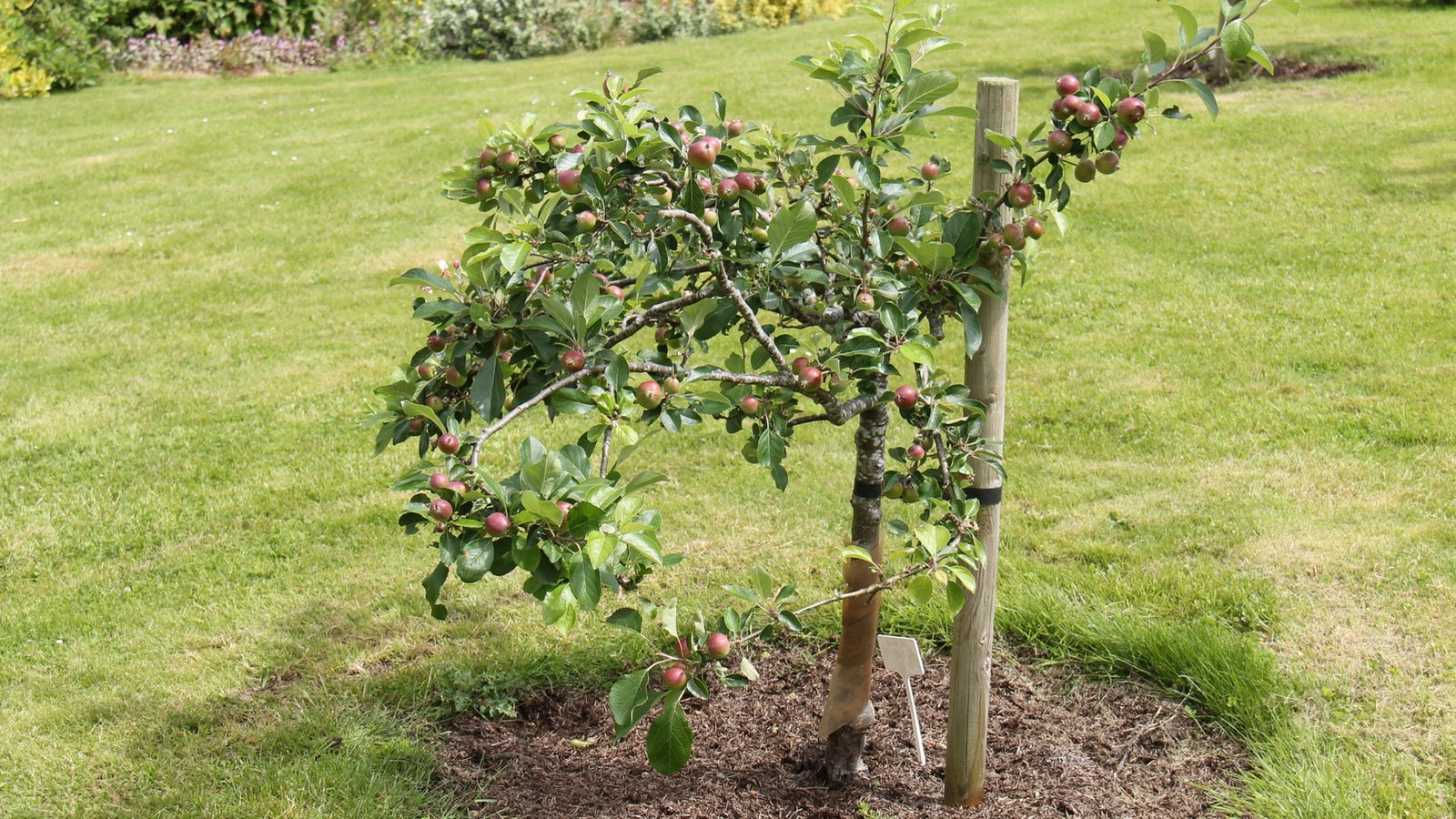
Selvey starts with the basics: “The most obvious difference between a dwarf apple species and a standard type is its size at maturity.” Dwarf cultivars generally top out at under 10 feet, and some mini-dwarf varieties only reach about 5 feet—perfect for container gardening or tight spaces. In contrast, standard apple trees can soar to 30 feet, which may be daunting for the average backyard gardener when it comes to harvesting.
But size isn’t the only factor. If patience isn’t your strong suit, dwarf apple trees offer another advantage: “Dwarf species will produce fruit more quickly when planted as a sapling, within about three years,” Selvey explains. Standard varieties, on the other hand, may keep you waiting up to seven years before the first harvest. The payoff for your patience? Significantly more fruit once the standard tree reaches full maturity.
Caring for Your Apple Tree: What Really Matters?
While general care for apple trees is similar across the board, Selvey points out a few important distinctions. Dwarf species grown in containers tend to require more frequent watering and fertilization than their standard counterparts. Pruning is also essential—standard trees need heavy pruning in their early years to establish shape and health, while dwarf trees, especially those kept compact or trained as espaliers, demand regular, specialized pruning.
Selvey offers a crucial tip: “If one of your main concerns is disease, you can consider cultivars of both growth habits that have been bred for disease-resistance.” Pest management, she adds, is closely linked to the overall health of the tree: “Weak trees attract more pests.” That means attentive care and smart choices up front can save you headaches down the line.
Choosing the Right Apple Tree for Your Garden
How do you narrow down your options? Selvey suggests starting with the basics: “The first consideration you should make when choosing an apple tree, dwarf or standard, is whether or not it can thrive in your climate.” From there, look at your available space and the specific spot you want to plant.
Many gardeners gravitate toward familiar supermarket varieties like Fuji or Pink Lady, but Selvey cautions that these apples may not be suitable for every climate. For instance, Honeycrisp apples are beloved by many, but they don’t fare well in hot and humid regions. “The best kind of apple tree to grow in a backyard depends on several factors,” Selvey advises. If your plan is to harvest and store apples, a standard tree might be worth the extra effort required for pruning and harvesting from greater heights. For those with limited space or the desire for easier maintenance, dwarf trees are a practical and increasingly popular choice.
Balancing Space, Yield, and Convenience
Selvey’s insights underline a central dilemma for gardeners: is it better to have a tree that grows fast and stays small, or one that takes longer to mature but ultimately offers a more abundant crop? For many, the answer lies in their available space, commitment to pruning and harvesting, and intended use for the apples. She notes that heirloom varieties like Arkansas Black, prized for storage and flavor, are typically only available as full-sized trees, adding another layer to the decision-making process.
“For those that have limited space or don’t want to deal with harvesting or pruning a larger tree, dwarf options are wonderful,” Selvey concludes. The diversity of cultivars now available means almost anyone can find a tree that matches their needs, whether they’re looking for disease resistance, a particular flavor profile, or a tree that fits neatly into a small corner of the yard.
Expert Tips for a Thriving Orchard
Selvey emphasizes that the success of any apple tree—dwarf or standard—depends on careful attention to its environment and needs. Pruning, watering, and fertilization routines should be tailored to the size and setting of the tree. For those growing dwarf trees in containers, keeping an eye on moisture levels is especially important, as these trees can dry out more quickly than those planted in the ground.
Looking for disease-resistant cultivars can also make a big difference, particularly for gardeners in regions prone to apple tree pests and blights. Selvey’s practical advice? “Arm yourself with some knowledge of how to prune apple trees,” she suggests, and don’t be afraid to seek out tips and tricks that address the specific challenges in your garden.
Ultimately, the choice between dwarf and standard apple trees boils down to personal priorities—space, convenience, harvest goals, and even a little bit of patience. With expert guidance and a clear sense of your own needs, it’s easier than ever to plant an apple tree that will flourish for years to come.
Assessment: The decision between dwarf and standard apple trees isn’t just about size; it’s about aligning your gardening ambitions with your environment and lifestyle. Selvey’s expertise underscores the importance of choosing a variety that suits your climate, space, and maintenance capacity. In the end, thoughtful planning and attentive care remain the keys to a rewarding orchard experience, whether you’re harvesting from a five-foot dwarf or a thirty-foot standard tree.