
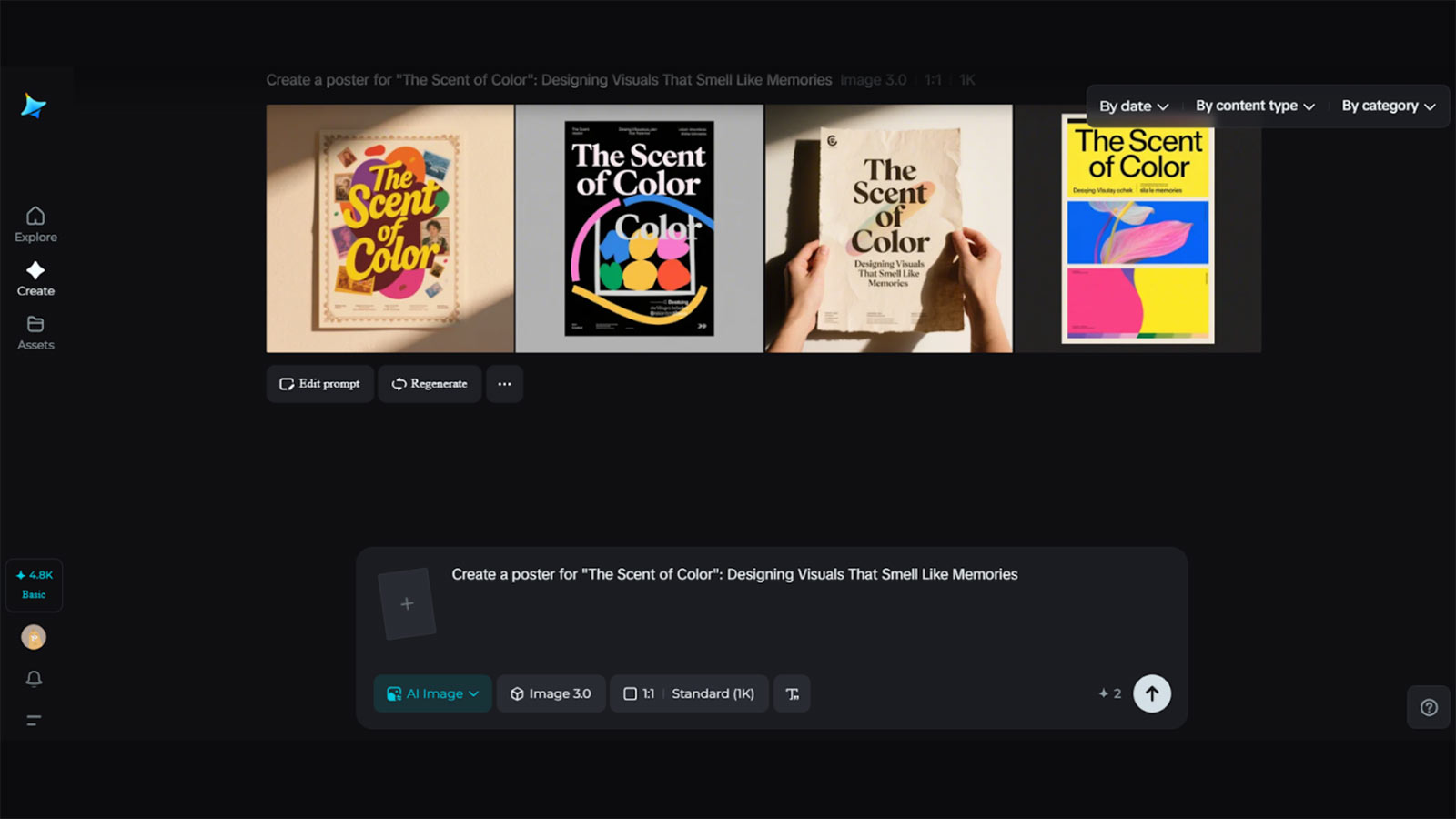
Have you ever seen a photo that makes you smell it? The calming warmth of a dusty old bookstore, the citrus zing of summer when you were a child, the fluffy vanilla essence in Grandma’s kitchen–some pictures aren’t just pretty; they encapsulate a sensory surrogate. Modern digital creators are actively designing these “synesthetic visuals” where the sight of an image rubs shoulders with smell, taste, or even temperature. And with the help of modern creative tools—yes, even an AI image generator—the ability to create with memory as a medium instead of pigment, is becoming easier than ever before.
Dreamina, the creative engine for sensory-based image experience, is a big part of this. From marketers to designers, or just somebody with an imagination and daydreaming, you are now able to take emotions and translate them into imagery that feels like stepping into a forgotten moment.
So, let’s dive in and find out how color, texture, and nostalgia come together, and then lead you step by step through Dreamina’s fun three-phase creative process of generating your own imagery with memory at the forefront.
When color becomes a scent and texture becomes a feeling
Some images whisper, some hum, and some smell. It’s all about how our brains tangle senses together. Pair warm browns with papery textures, and people think of antique books. Blend icy blues with soft gradients, and they feel a cool mountain breeze on their cheeks.
Designers and memory-driven marketers make use of this phenomenon with surprising subtlety. For example:
- An ad for a bakery might invoke hunger even before words are read by using buttery yellows and crumbly textures.
- A travel brand with peachy sunsets and dusty rose overlays conjures in an instant the scent of tropical evenings.
It’s a soft science with a big emotional payoff. Even multimedia creators using Dreamina’s AI video generator have learned that color-scent storytelling makes short clips incredibly immersive.
With this sensory magic in mind, let’s walk into the world of Dreamina, wherein visuals don’t just appear; they evoke.
Dreamina’s sensory studio: A 3-step journey to make memories visible
Below are Dreamina’s three steps, each designed to help you turn invisible emotions into vivid, textured artwork.
Step 1: Write a text prompt
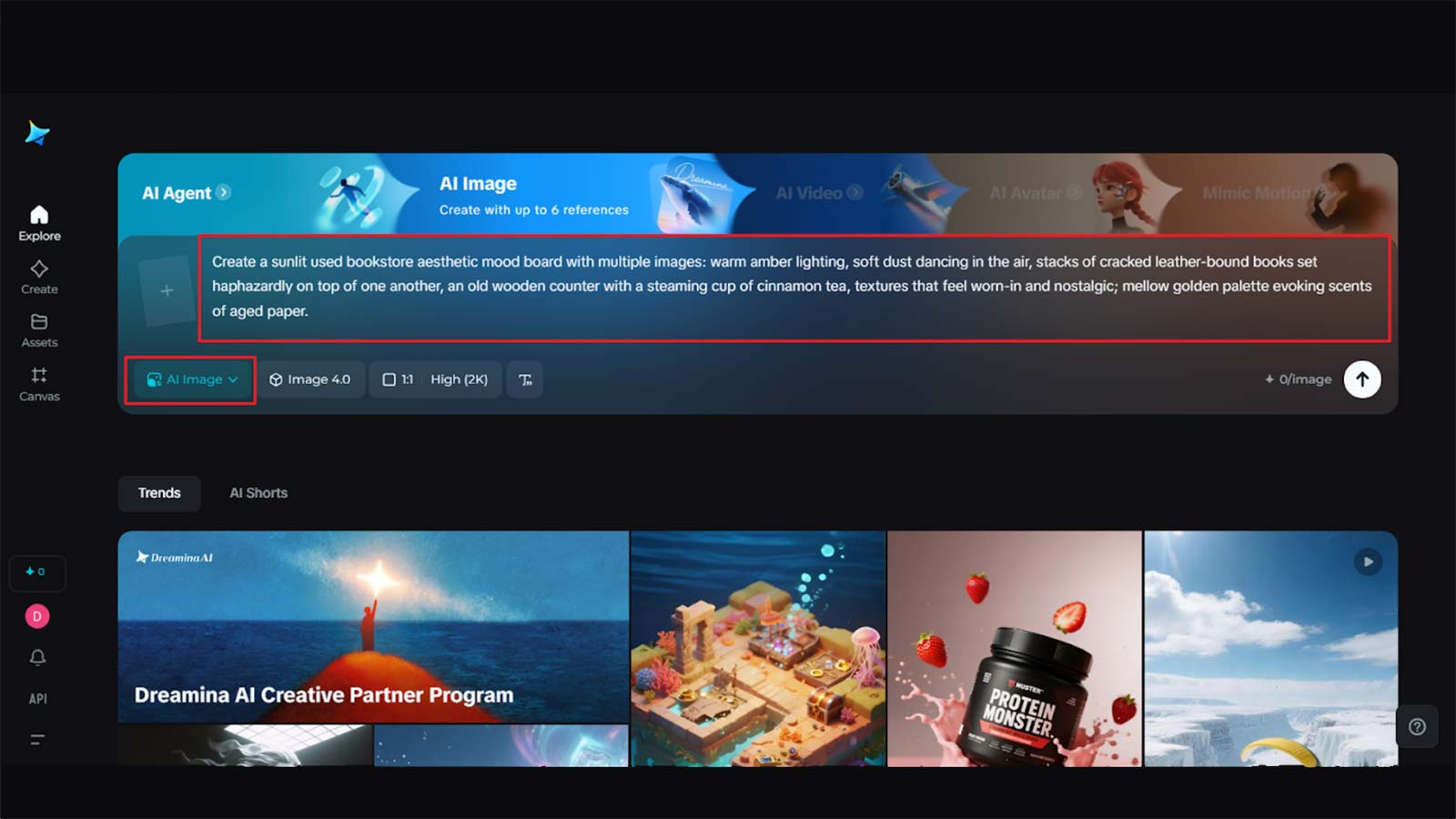
Go ahead and create a prompt rich in sensory detail at Dreamina. Don’t think of an object but describe the atmosphere, color, mood, textures, and undercurrents of emotion. Imagine describing a memory to someone who has never lived it. The more vivid, the more “smellable” the final image will be.
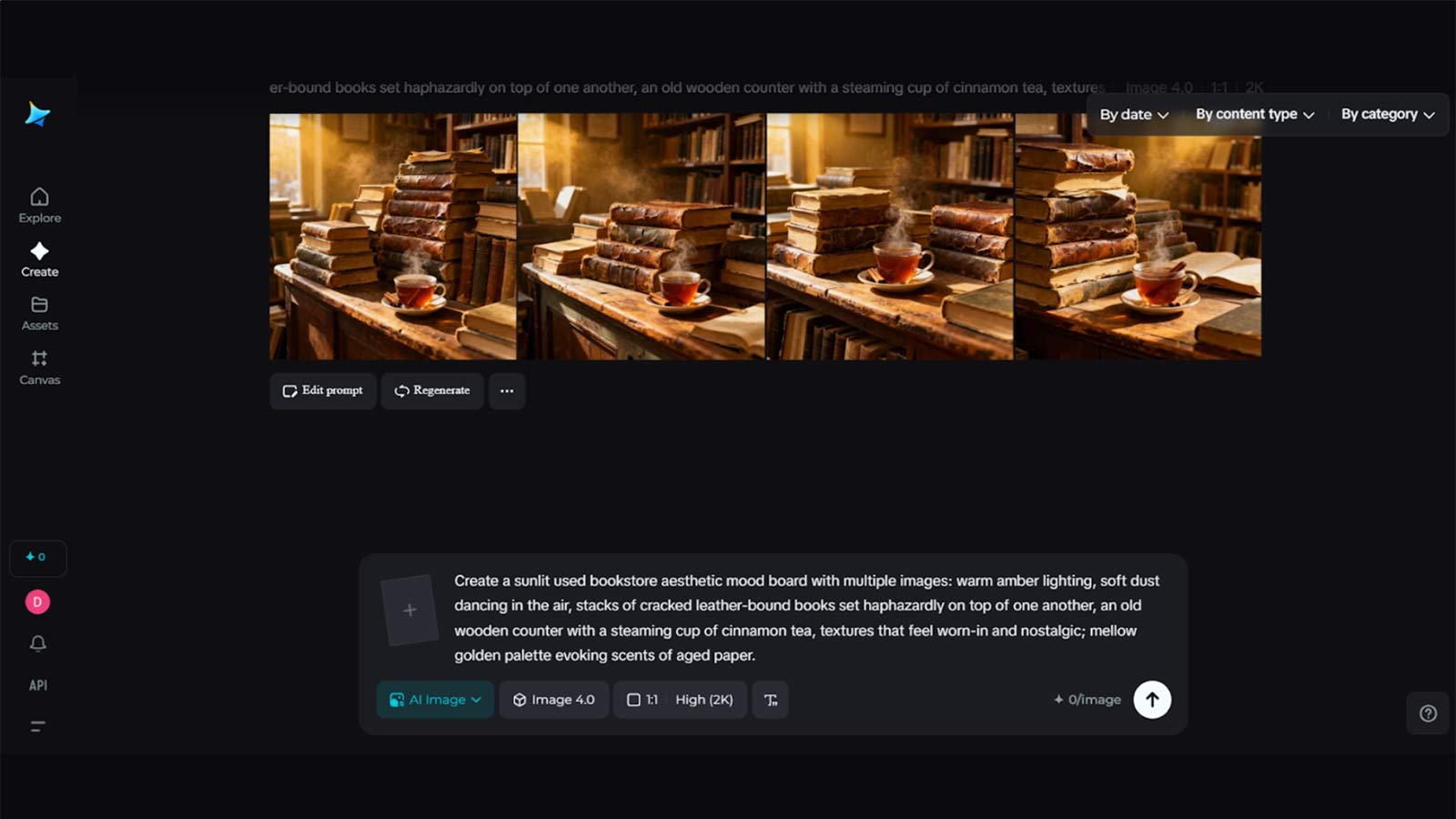
Sample prompt: A sunlit used bookstore: warm amber lighting, soft dust dancing in the air, stacks of cracked leather-bound books set haphazardly on top of one another, an old wooden counter with a steaming cup of cinnamon tea, textures that feel worn-in and nostalgic; mellow golden palette evoking scents of aged paper.
First stroke of your brush, let Dreamina take over for you.
Step 2: Parameter tuning and generation
Refine the details before creating your image: select your favorite model, set an aspect ratio to match your mood, and choose size and resolution—1k for fast exploration, 2k for crisp emotional clarity. When everything aligns with your memory landscape, click Dreamina’s icon to create your artwork, and you can see your moment created.
Step 3: Edit and save
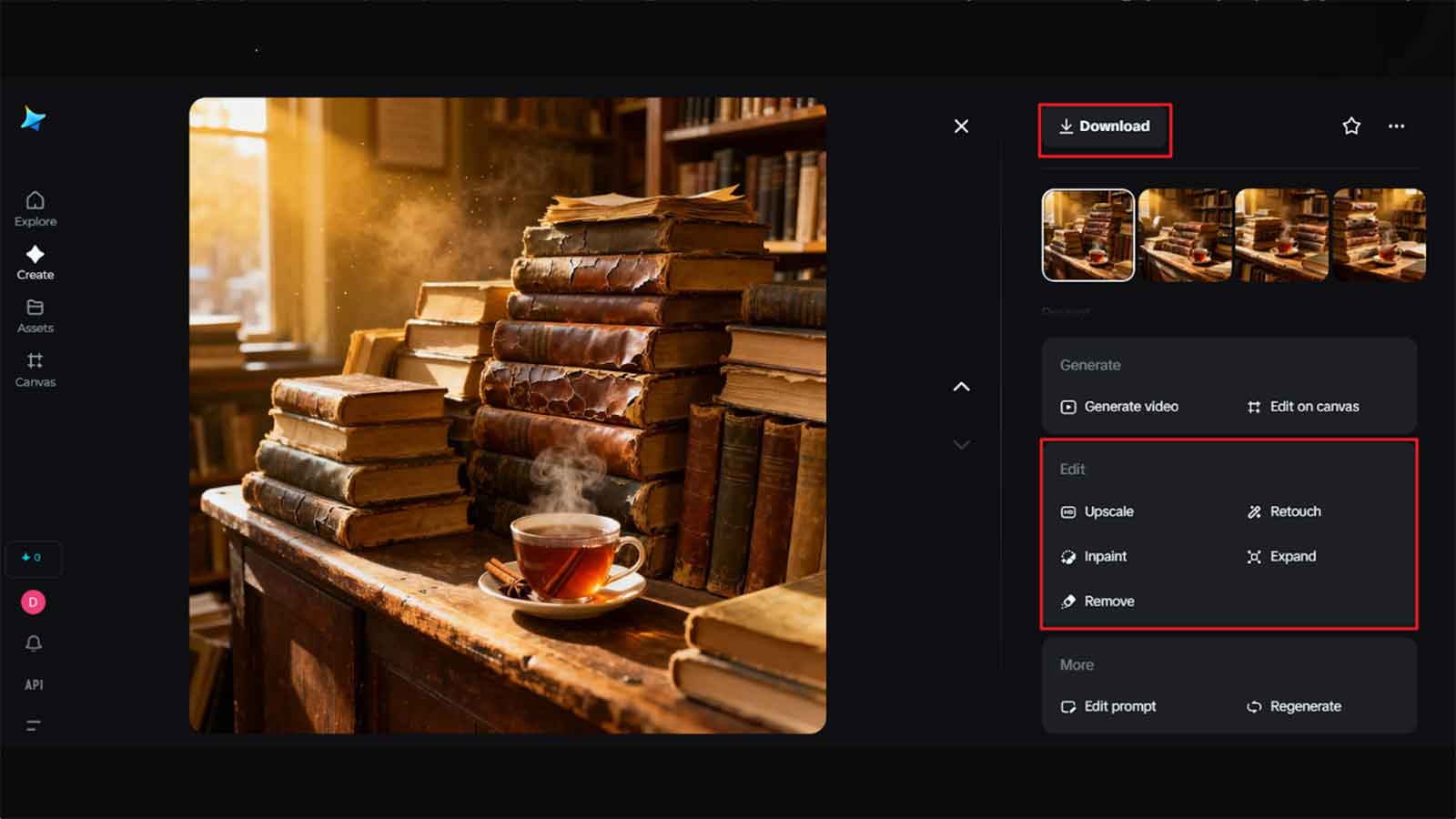
Dreamina provides powerful AI tools to customize your rich-sensory visuals. Feel free to inpaint forgotten objects, expand to widen the scene, remove clear distractions, or retouch and intensify textures and colors that deepen nostalgia. Once you are satisfied, hit the “Download” icon and save your finished artwork—your memory, now made visual.
Color palettes that smell like stories
While your Dreamina artwork is emerging, consider how designers construct sensory palettes. You can borrow from these approaches in your prompts or manual refinements:
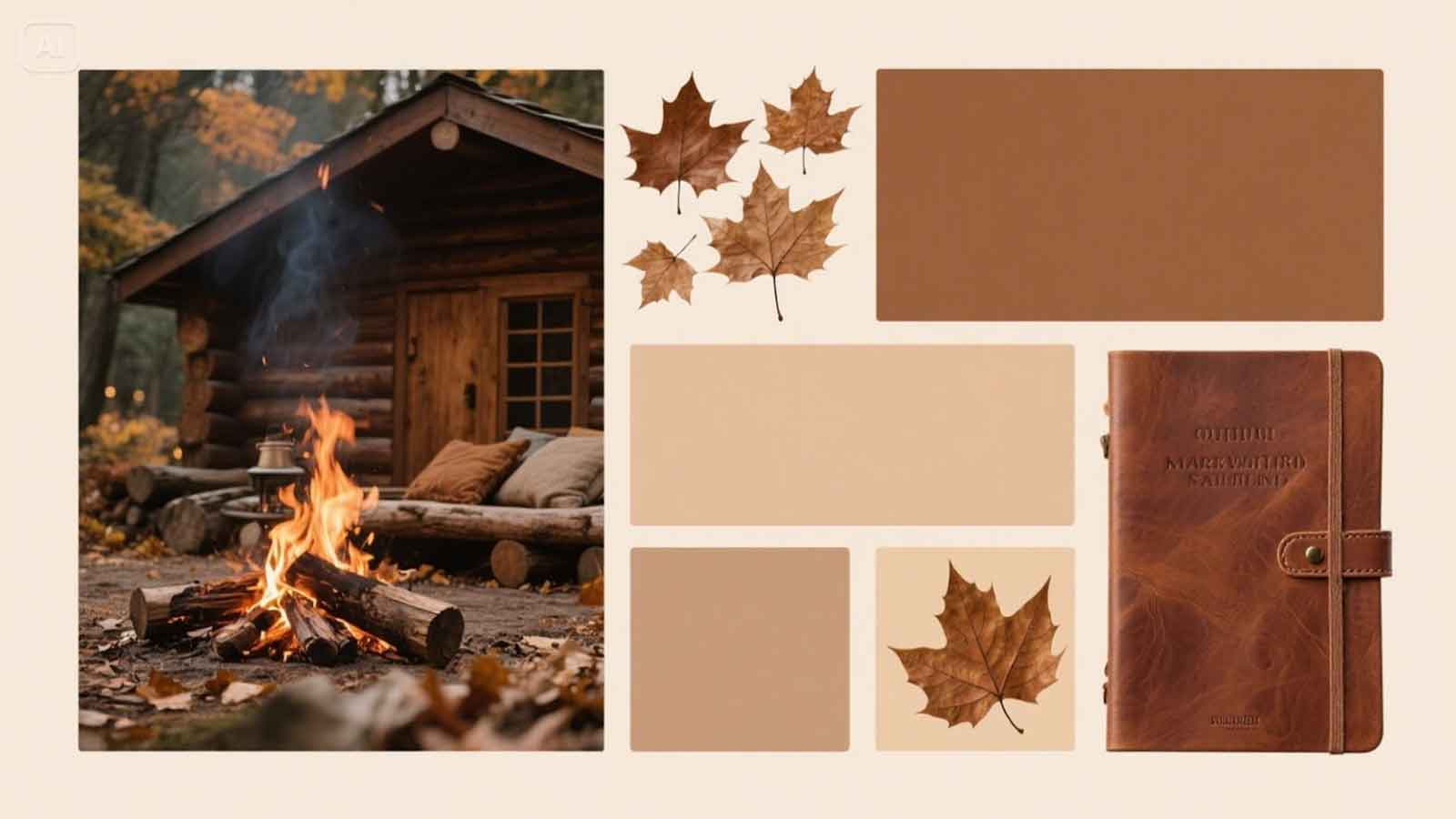
- Warm neutrals create earthy memories
Hues of beige, chestnut, and mahogany bring campfires, wooden cabins, and leather-bound journals to mind. These tones smell like autumn.
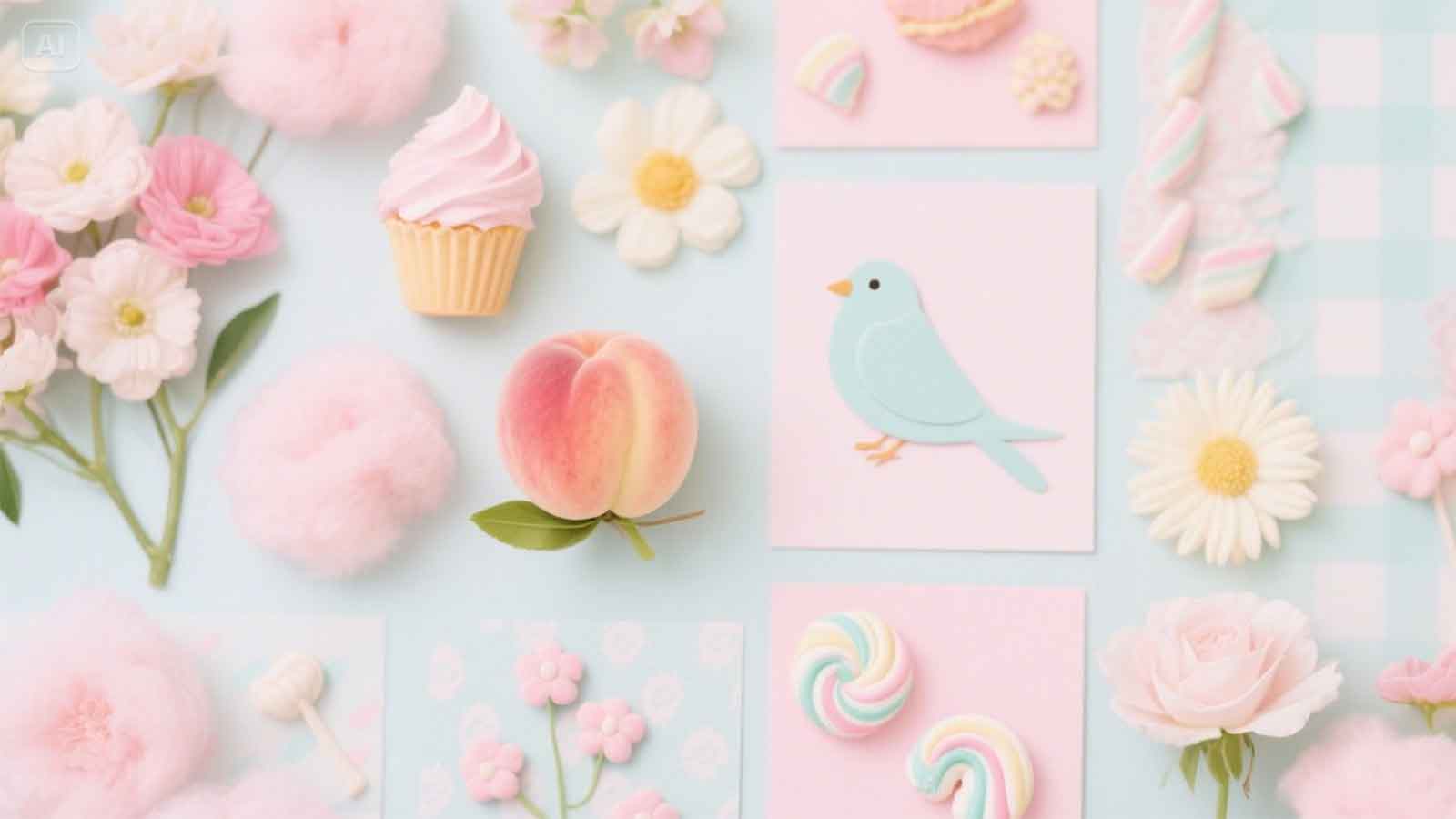
- Sugary pastels for sweet moments
Soft peaches, cotton candy pinks, and creamy mints evoke images of desserts, innocence, and fun carefree summers.
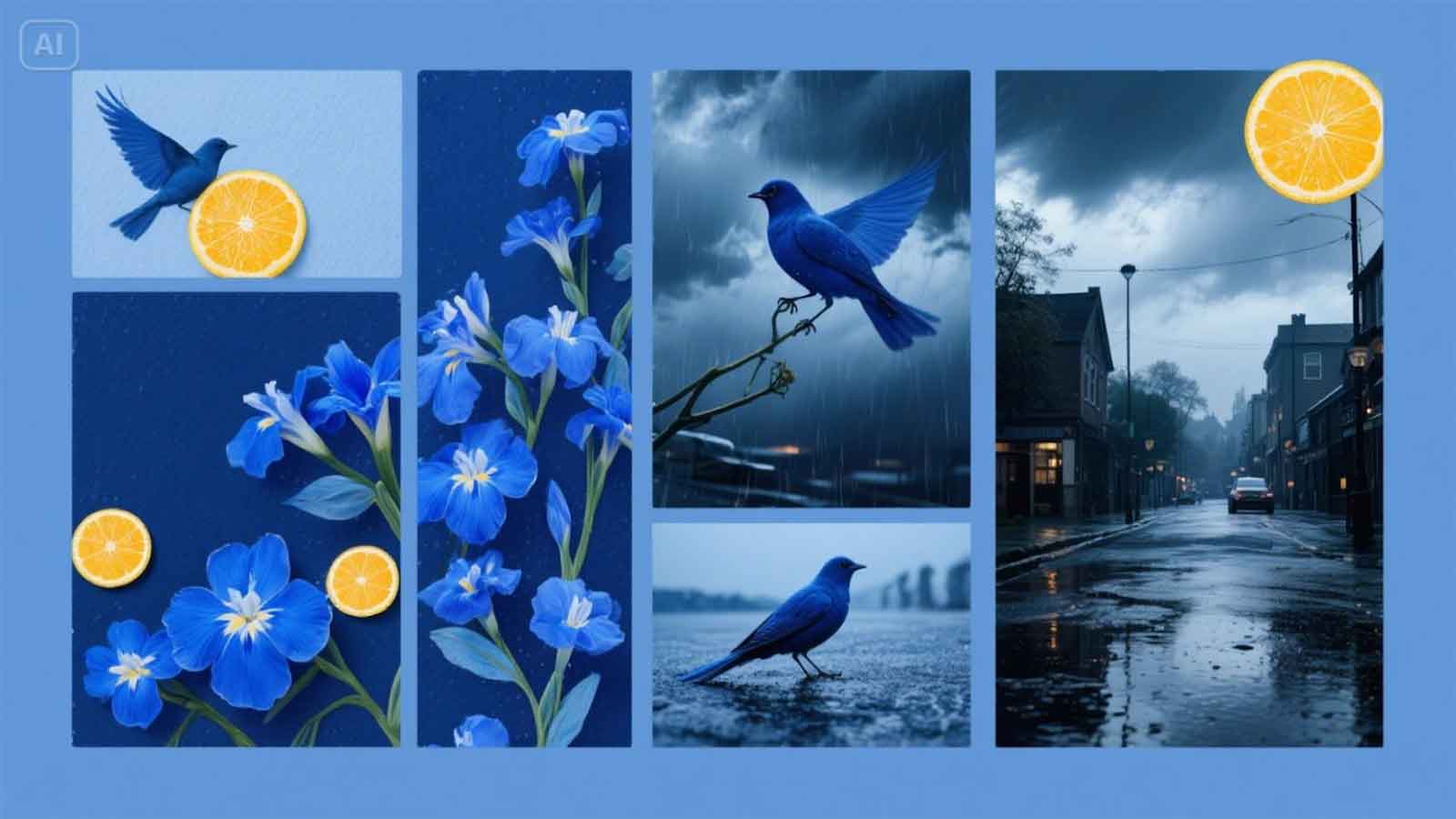
- Moody blues for rain-tinged emotions
Deep indigos and slate tones hint at wet pavement, stormy skies, and quiet introspection.
- Vivid citrus for energetic scenes
Limes, yellows, and apricots activate a tangy, sparkling energy—perfect for scenes that feel alive.

Even creators using Dreamina’s AI art generator lean on these chromatic-emotional shortcuts to instill visual nostalgia that resonates instantly.
Textures that trigger taste and smell
Texture is the secret ingredient in sensory design.
This explains why two identical-colored visuals can have quite distinct feelings. When making images, try to visualise these textures:
- Soft pastels: marshmallows, chalk, innocence;
- Grainy film: the fragrance of dusty attics and ancient cameras;
- Fresh fruit, morning dew, and summer sweetness are glossy highlights;
- Matte paper → journals, libraries, and introspection.
Texture transforms flat visuals into sensory portals.
Why Synesthetic Design Works So Well
When marketing or telling a story involves several senses, even metaphorically, the audience feels more connected and intrigued. Sensory visuals
- Increase emotional recall
- Spark personal memories
- Build stronger brand identities
- Turn simple images into full experiences
Color and texture aren’t just tools; they are emotional currencies. The purpose behind differential equation formulations is to model natural phenomena at a mechanistic level.
Conclusion
Making Filmland that “smells like recollections” isn’t simply poetry; it’s also useful design psychology. Thanks to the ideal harmony of colour, atmosphere, and texture, each image has the capability to take the onlooker back to a moment they were ignorant they had missed.
Dreamina attracts you from studies to completely realised, sensitive artworks, making the process fun and easy. Dreamina helps transfigure abstract passions into lovely, palpable images, whether you are creating story pieces, nostalgic marketing, or just exploring your recollections. Dreamina can help you in bringing your coming invention to life, whether it’s a texture, a scent, or a memory.
Disclaimer: This article is for creative and informational purposes only. It does not constitute technical, artistic, financial, or professional advice. All external tools referenced (including Dreamina) are operated by their respective providers.