
Quick Read
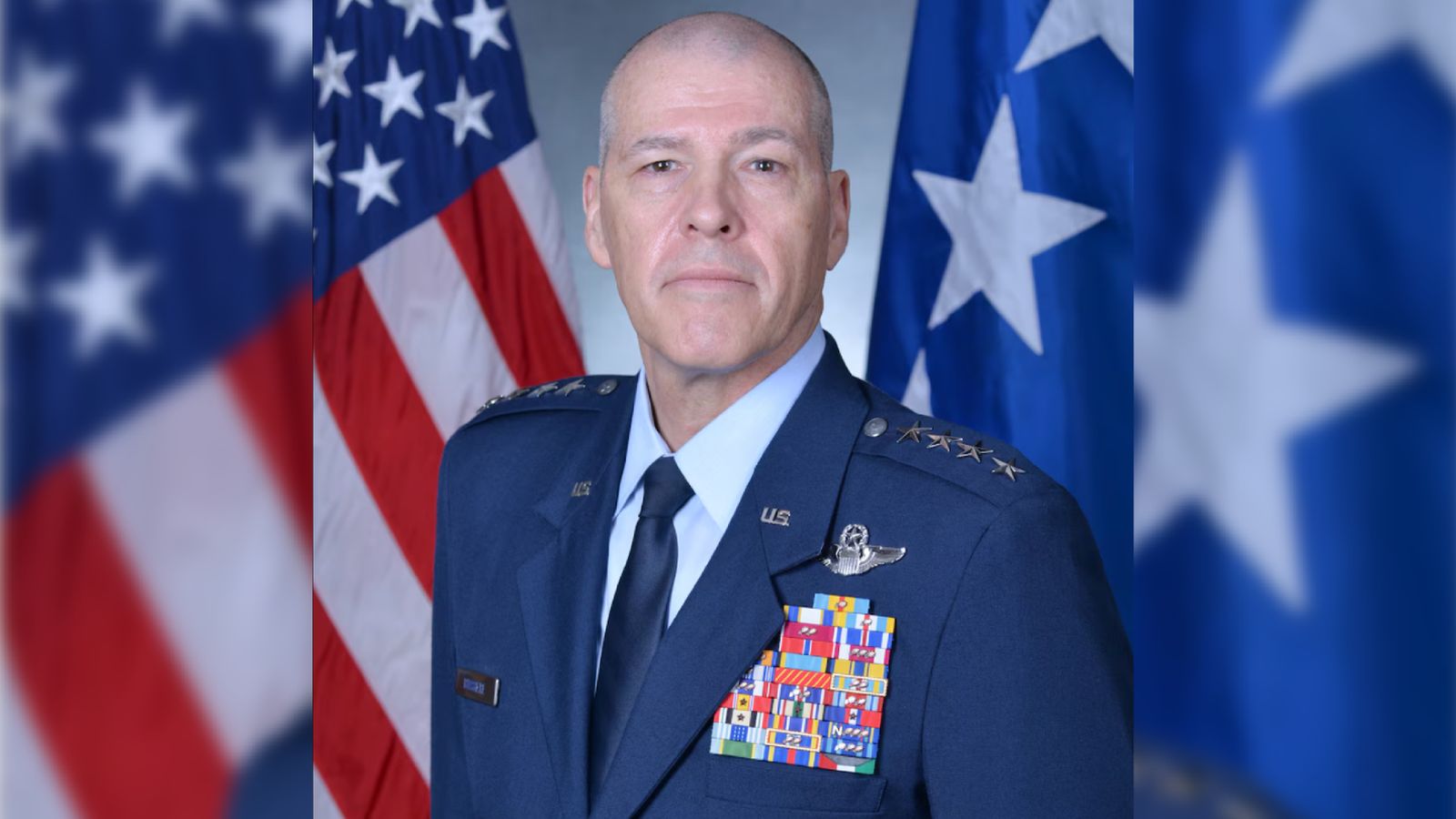
- General Thomas Bussiere announced his retirement from the U.S. Air Force citing personal and family reasons.
- Bussiere served as the head of Air Force Global Strike Command, overseeing nuclear and strategic bomber operations.
- His retirement follows a series of high-profile leadership changes in the Pentagon under President Donald Trump’s second term.
- Bussiere’s nomination for Air Force Vice Chief of Staff was withdrawn prior to his retirement announcement.
- General Kenneth Wilsbach has been nominated as the next Air Force Chief of Staff, pending Senate confirmation.
General Thomas Bussiere, a highly respected leader and the commander of the U.S. Air Force Global Strike Command, recently announced his retirement, citing personal and family reasons. His departure comes during a time of significant transition and turbulence within the Pentagon, particularly under President Donald Trump’s second term. Bussiere’s retirement follows a series of high-profile exits and reshuffles within the U.S. military, reflecting broader changes and challenges facing the nation’s armed forces.
Thomas Bussiere: A Distinguished Career
General Thomas Bussiere’s career in the U.S. Air Force spans nearly four decades. A graduate of Norwich University’s Reserve Officers’ Training Corps (ROTC) program in 1985, Bussiere quickly rose through the ranks, earning his reputation as a skilled and dedicated officer. Over the years, he became a command pilot with thousands of flight hours on aircraft such as the F-15 Eagle, B-2 Spirit, and F-22 Raptor. His extensive experience and expertise made him an influential figure in the Air Force.
In December 2022, Bussiere assumed the prestigious role of commander of the Air Force Global Strike Command, overseeing the nation’s nuclear deterrent and strategic bomber fleet. During his tenure, he played a critical role in modernizing the Air Force’s aging bomber fleet and advancing key programs such as the B-21 Raider. His leadership extended to addressing challenges in programs like the LGM-35A Sentinel, which required new missile silos to ensure the Air Force’s readiness and operational capability.
The Context of His Retirement
Bussiere’s decision to retire comes amidst a broader wave of leadership changes within the Pentagon. His announcement followed the unexpected retirement of Air Force Chief of Staff General David Allvin, who stepped down halfway through his four-year term. President Trump nominated General Kenneth Wilsbach, a seasoned fighter pilot and former commander of the Air Combat Command, as Allvin’s successor. Wilsbach’s nomination, however, came at the expense of Bussiere, whose earlier nomination for the position of Vice Chief of Staff had been withdrawn by the Trump administration.
This pattern of leadership turnover has raised questions about the stability and direction of the U.S. military’s upper echelons. Secretary of Defense Pete Hegseth’s fiery address at a high-profile gathering of senior military officials just hours before Bussiere’s retirement announcement further highlighted the tensions within the Pentagon. In his speech, Hegseth criticized what he perceived as “liberal policies” in the military and announced new fitness requirements for all ranks, including generals. He encouraged officials who disagreed with his worldview to resign, creating a charged atmosphere that some believe may have influenced Bussiere’s decision.
The Impact of Leadership Changes
Bussiere’s departure is part of a larger pattern of turnover that includes the firings or resignations of several top military leaders, such as Coast Guard Commandant Admiral Linda Fagan, Chief of Naval Operations Admiral Lisa Franchetti, and Air Force Vice Chief of Staff General James Slife. These changes have sparked debates about the Trump administration’s approach to military leadership and its focus on discipline, readiness, and loyalty.
The new policies introduced by Secretary Hegseth, such as mandatory physical fitness standards for generals and stricter media communication rules, have also contributed to a climate of uncertainty within the armed forces. While some view these measures as necessary to restore discipline and focus, others fear they may stifle open communication and erode trust among military personnel.
Looking Ahead: The Role of General Kenneth Wilsbach
As the Air Force prepares for this leadership transition, all eyes are on General Kenneth Wilsbach, who is set to take over as the next Chief of Staff, pending Senate confirmation. Wilsbach is a combat-tested aviator with extensive experience leading large-scale operations. His vision for the Air Force emphasizes a “warrior ethos” and a commitment to strengthening the force’s readiness and capabilities.
Wilsbach’s nomination represents a strategic choice by the Trump administration to prioritize discipline and combat readiness. His track record of implementing rigorous standards during his tenure at the Air Combat Command aligns with the administration’s policy priorities. However, his close ties to the Trump administration have also raised concerns about potential partisanship and its impact on the military’s apolitical tradition.
Bussiere’s Legacy
Despite the circumstances surrounding his retirement, General Thomas Bussiere leaves behind a legacy of dedication and excellence. His contributions to the Air Force Global Strike Command and his efforts to modernize the service’s capabilities have left a lasting impact on the U.S. military’s strategic operations. In his farewell message, Bussiere expressed his gratitude to the men and women of the Air Force and reaffirmed his commitment to supporting the military in new ways.
As the Air Force navigates this period of change, Bussiere’s leadership and vision will undoubtedly be remembered as pivotal in shaping the service’s future. His retirement marks the end of an era, but it also opens the door for new leadership to address the challenges and opportunities ahead.
General Thomas Bussiere’s retirement is a significant moment in the history of the U.S. Air Force, symbolizing both the challenges of leadership transitions and the enduring commitment of military leaders to their nation. As the Air Force looks to the future, Bussiere’s legacy will serve as a foundation for continued excellence and innovation in service to national defense.