


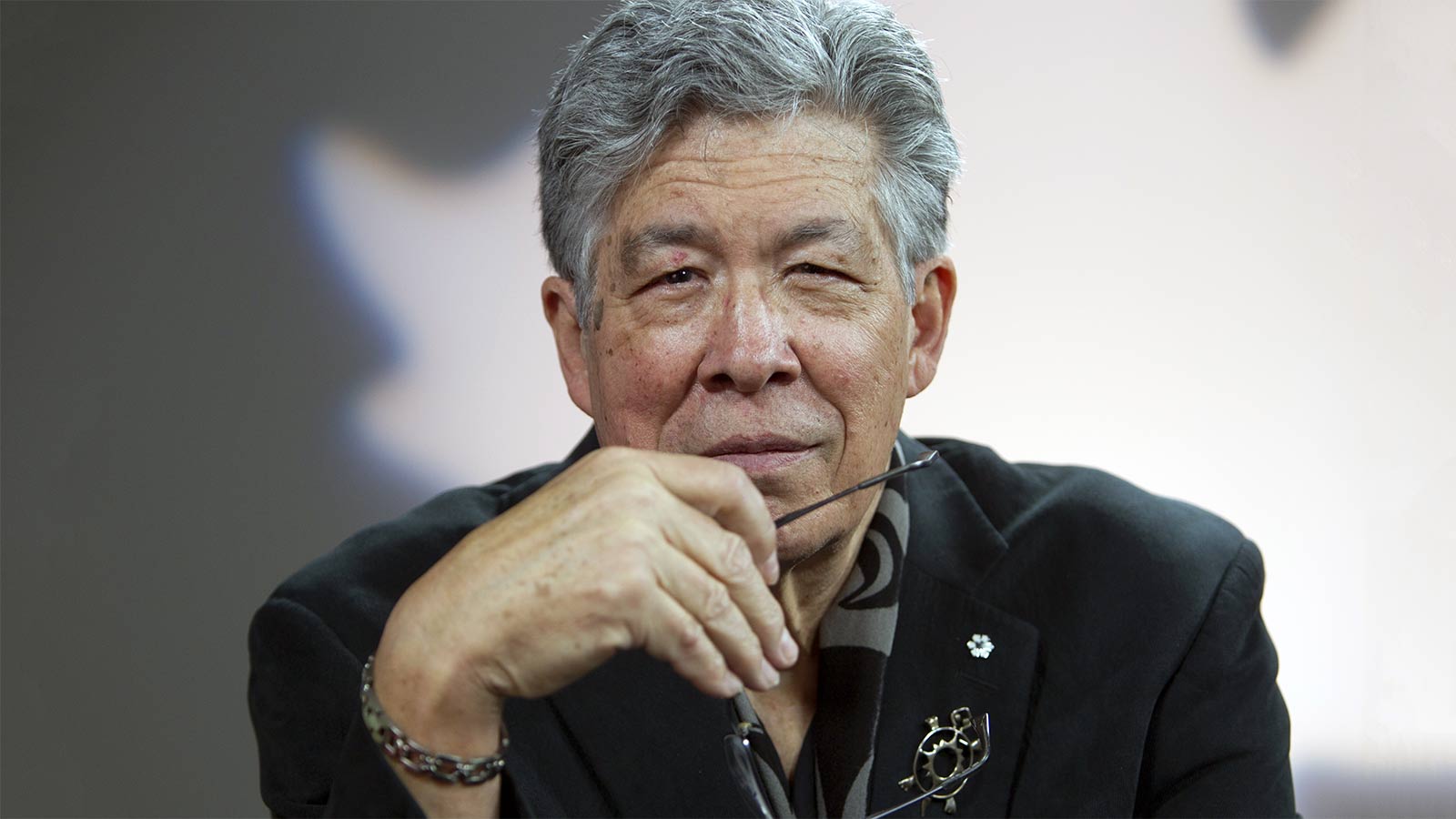
Thomas King’s Ancestral Revelation Shakes Indigenous Literary Circles
For decades, Thomas King stood as one of the most prominent voices in North American literature addressing Indigenous issues. His wit and candor, most notably in the award-winning The Inconvenient Indian, shaped conversations about history, justice, and identity. But in November 2025, King publicly confronted a truth that would fundamentally alter his own story: he is not of Cherokee descent, contrary to what he—and much of the literary world—had believed for years.
Genealogical Inquiry and the Unraveling of a Family Legend
King’s journey into his ancestry began with persistent rumors within both artistic and Indigenous communities, questioning the authenticity of his Cherokee heritage. Although he had grown up with the belief that his paternal grandfather, Elvin Hunt, was Cherokee, these claims remained unsubstantiated. This year, the rumors grew louder, prompting King to seek clarity.
He reached out to the Tribal Alliance Against Frauds (Taaf), a North Carolina-based organization dedicated to investigating false claims of Indigenous identity. The group’s genealogist pored over King’s family history and found no evidence of Cherokee roots on either side. In a candid essay for The Globe and Mail, King described the emotional impact of this revelation: “At 82, I feel as though I’ve been ripped in half, a one-legged man in a two-legged story. Not the Indian I had in mind. Not an Indian at all.”
Personal Reflection and Public Accountability
King’s response has been marked by profound introspection. He acknowledges never intentionally misleading anyone, insisting that he genuinely believed in his mixed-blood Cherokee ancestry. “Taaf suggested that I might want to offer up an apology for my life, but an apology assumes a crime, an offence, a misdeed. And I don’t think that’s appropriate,” he wrote. “Throughout my career—as activist, academic, administrator, writer—I’ve conducted myself in the belief that I was mixed-blood Cherokee.”
Nevertheless, King recognizes the gravity of the genealogist’s findings. He notes that if he were to conceal this new information, it would warrant accusations of fraud. In a measured act of responsibility, King announced his intention to return the National Aboriginal Achievement Award, which he received in 2003, stating that his other accolades are rooted in his writing, not ethnicity.
The Impact on King’s Legacy and the Wider Community
The repercussions of King’s revelation extend far beyond his personal narrative. His books, including The Inconvenient Indian and Indians on Vacation, have won prestigious awards, including the RBC Taylor Prize for non-fiction and the Stephen Leacock Memorial Medal for Humour. In 2020, he was elevated to Companion of the Order of Canada, commended for his “prolific and groundbreaking work [which] continues to enrich our country’s culture, and has changed our perception of Canadian history.”
King’s situation also resonates amid a broader reckoning in Canada and the United States regarding public figures’ Indigenous identity claims. Recently, folk singer Buffy Sainte-Marie faced similar scrutiny after a Canadian Broadcasting Corporation investigation concluded she was born to white parents in Massachusetts, not to Cree parents as previously believed. These cases have sparked ongoing debates about the meaning of Indigenous identity, the role of ancestry, and the responsibilities of those who represent these histories in public life.
A Life Shaped by Belief, Not Intentional Deceit
King’s story is ultimately one of genuine belief, rather than calculated deception. He recalls his upbringing: “I knew who I was. Knew my family history. At the same time, I recognized that I wasn’t a good Indian. I hadn’t been raised on a reserve or reservation. I didn’t speak Cherokee.” These admissions reflect a nuanced understanding of identity—a blend of heritage, upbringing, and community acceptance.
Despite the absence of Cherokee ancestry, King’s impact on literature and Indigenous discourse remains significant. His works have challenged stereotypes, exposed injustices, and encouraged critical dialogue. For many, the revelation does not erase the value of his contributions but does prompt reflection on how identity informs voice and authority in storytelling.
Looking Forward: Ethics, Identity, and Literary Legacy
As King moves forward, he faces the challenge of reconciling his life’s work with his newly clarified ancestry. The return of the National Aboriginal Achievement Award is a symbolic gesture, acknowledging the distinction between accolades earned for writing and those linked to heritage. King’s choice to make his story public, rather than conceal the truth, marks an important moment in the ongoing conversation about identity in North America.
For readers, writers, and communities, King’s experience serves as a potent reminder: identity is complex, shaped by family, belief, and history. The boundaries between heritage and self-understanding are often blurred, and the journey toward truth can be both painful and necessary.
Thomas King’s reckoning is a moment of vulnerability and accountability. While his Indigenous ancestry is disproven, his literary achievements and advocacy remain. The story underscores the importance of transparency and the nuanced realities of identity—reminding us that even those who shape narratives are not immune to the uncertainties within their own.