

Quick Read
- Tilray Brands stock jumped 28% in premarket trading on December 12, 2025.
- The rally followed reports that the Trump administration may push to reclassify marijuana as a less dangerous drug.
- Other cannabis stocks and related ETFs, like Amplify Alternative Harvest (MJ), also surged.
- Federal reclassification could open new opportunities for cannabis businesses and investors.
- No formal legislation has been passed yet; the sector remains sensitive to political developments.
Tilray Brands Stock Rallies as Federal Marijuana Policy Faces Possible Shift
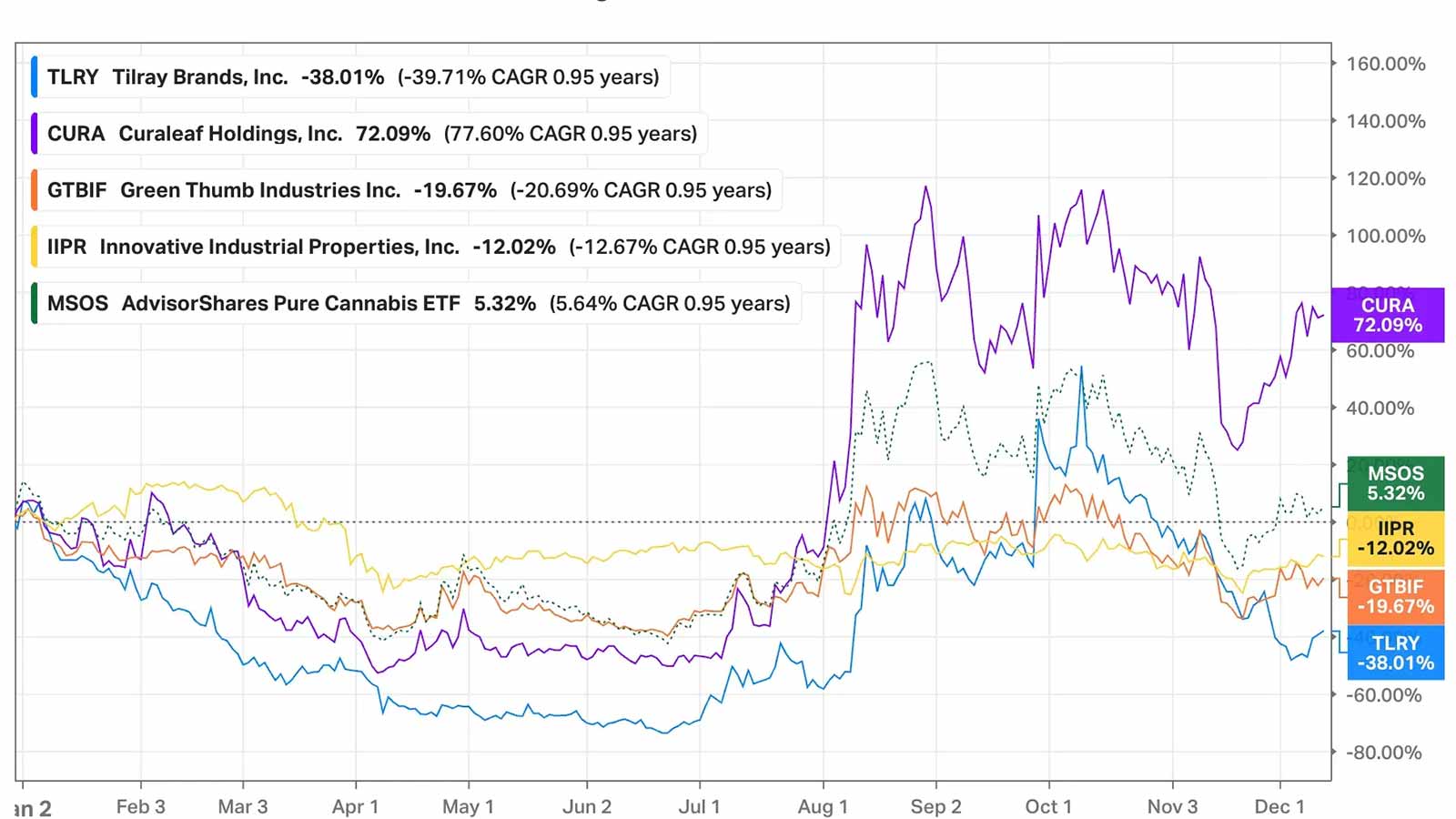
On December 12, 2025, Tilray Brands (TLRY) became the centerpiece of a dramatic market shift, as its shares soared by 28% in premarket trading. The catalyst? Multiple media outlets, including CNBC and Seeking Alpha, reported that the Trump administration is considering measures to ease federal restrictions on marijuana. This sudden development didn’t just send Tilray higher—it ignited a broad rally across the cannabis sector, with other producers and related ETFs joining the surge.
Trump Administration’s Reclassification Talks Spark Sector-Wide Optimism
The heart of this rally lies in reports that President Donald Trump is expected to push for reclassifying marijuana as a less dangerous substance under federal law. Currently, marijuana remains classified as a Schedule I drug, putting it in the same category as heroin and LSD—despite its widespread legal status in many states. The news, first reported by The Washington Post and cited by CNBC, suggested a major federal pivot that could unlock new business opportunities, reduce regulatory burdens, and potentially open doors to institutional investment.
Tilray, already one of the sector’s most recognizable names, quickly became the market’s bellwether. Its 28% jump was echoed by the Amplify Alternative Harvest ETF (MJ), which rose 20%. Other cannabis producers, such as Canopy Growth, saw similarly robust gains. Investors appeared to be betting not just on Tilray, but on a future where federal law aligns more closely with state-level legalization trends.
Investor Reaction: A Stampede Toward Cannabis Stocks
Friday morning’s trading session felt almost electric. Investors who had been wary of federal intervention—and the risk it posed to long-term growth—now saw the possibility of a friendlier regulatory environment. The market’s response was swift and decisive. Volume surged, and price action on Tilray and its peers reflected a sudden recalibration of risk and reward.
But why Tilray? As one of the largest, most diversified cannabis companies with operations spanning North America and Europe, Tilray is often viewed as a proxy for sector health. Its exposure to multiple markets and products—ranging from medical marijuana to recreational products—positions it to benefit from any meaningful change in U.S. federal policy.
Implications: What Could Federal Reclassification Mean for Tilray and the Sector?
At its core, federal reclassification would represent a seismic shift for the cannabis industry. It could mean easier access to banking services, lower tax burdens, and greater freedom to advertise and distribute products nationwide. Institutional investors, often barred by policy from touching cannabis stocks, might enter the fray, bringing new liquidity and stability.
For Tilray, the potential upsides are substantial. The company could accelerate expansion plans, forge new partnerships, and tap into markets that have so far remained off-limits. But the path forward is not without uncertainty. Federal policy change, especially on a contentious issue like marijuana, is subject to political maneuvering and bureaucratic delays. Moreover, the details of any reclassification—such as whether marijuana moves to Schedule II or Schedule III—will shape the practical impact on businesses.
In the short term, the rally illustrates just how sensitive cannabis stocks are to shifts in political winds. The mere prospect of reform was enough to send prices soaring, even in the absence of concrete legislation. Investors should remember, however, that the sector remains volatile and highly dependent on regulatory developments.
The Broader Market Context: How Tilray’s Move Fits Into 2025’s Investment Landscape
This surge in Tilray’s stock comes amid a broader environment of economic uncertainty and political transition. With the 2024 presidential election still fresh in memory, markets are attuned to signals from Washington that could affect key sectors. The cannabis industry, in particular, has been waiting for years for federal clarity—hoping that a national framework would unlock the next phase of growth.
Other stocks made headlines that morning as well: Lululemon jumped 9.4% following a CEO departure and strong earnings, RH rose 3% on mixed results, while tech giant Broadcom fell 6% amid AI sector concerns. But it was Tilray’s explosive rise that captured the market’s imagination, highlighting how policy rumors can eclipse even solid earnings news.
Risks and Realities: Is This Rally Sustainable?
As with any market move driven by political news, caution is warranted. Investors should be wary of overextending, as policy changes can stall or fail to materialize. The cannabis sector, despite its promise, is still grappling with patchwork regulations and uneven enforcement. For Tilray, the coming weeks will be a test of whether it can capitalize on newfound optimism, or whether the rally fades in the absence of follow-through from Washington.
For now, the message is clear: investors are hungry for change, and even a hint of federal reform is enough to transform sector sentiment overnight.
Tilray’s dramatic surge is a vivid reminder of how closely the cannabis industry’s fortunes are tied to the shifting tides of U.S. federal policy. While the Trump administration’s reported interest in reclassifying marijuana has reignited hope and speculation, investors should keep a close eye on actual legislative progress before making long-term bets. For Tilray and its peers, the next chapter will depend not just on market enthusiasm, but on the details and durability of political change.