
Quick Read
- Timor-Leste scrapped plans to buy 65 SUVs for MPs after mass protests.
- A separate plan for lifetime MP pensions was also canceled following demonstrations.
Protests Erupt Over Luxury Expenditures
In Timor-Leste, a nation known for its resilience and struggle for independence, public outrage recently achieved a significant victory. The government, facing mass protests and growing civic unrest, was forced to backtrack on two controversial proposals: purchasing luxury SUVs for members of parliament (MPs) and granting lifetime pensions to legislators. These decisions, initially framed as necessary expenditures, quickly became symbols of government excess in a country where poverty remains widespread.
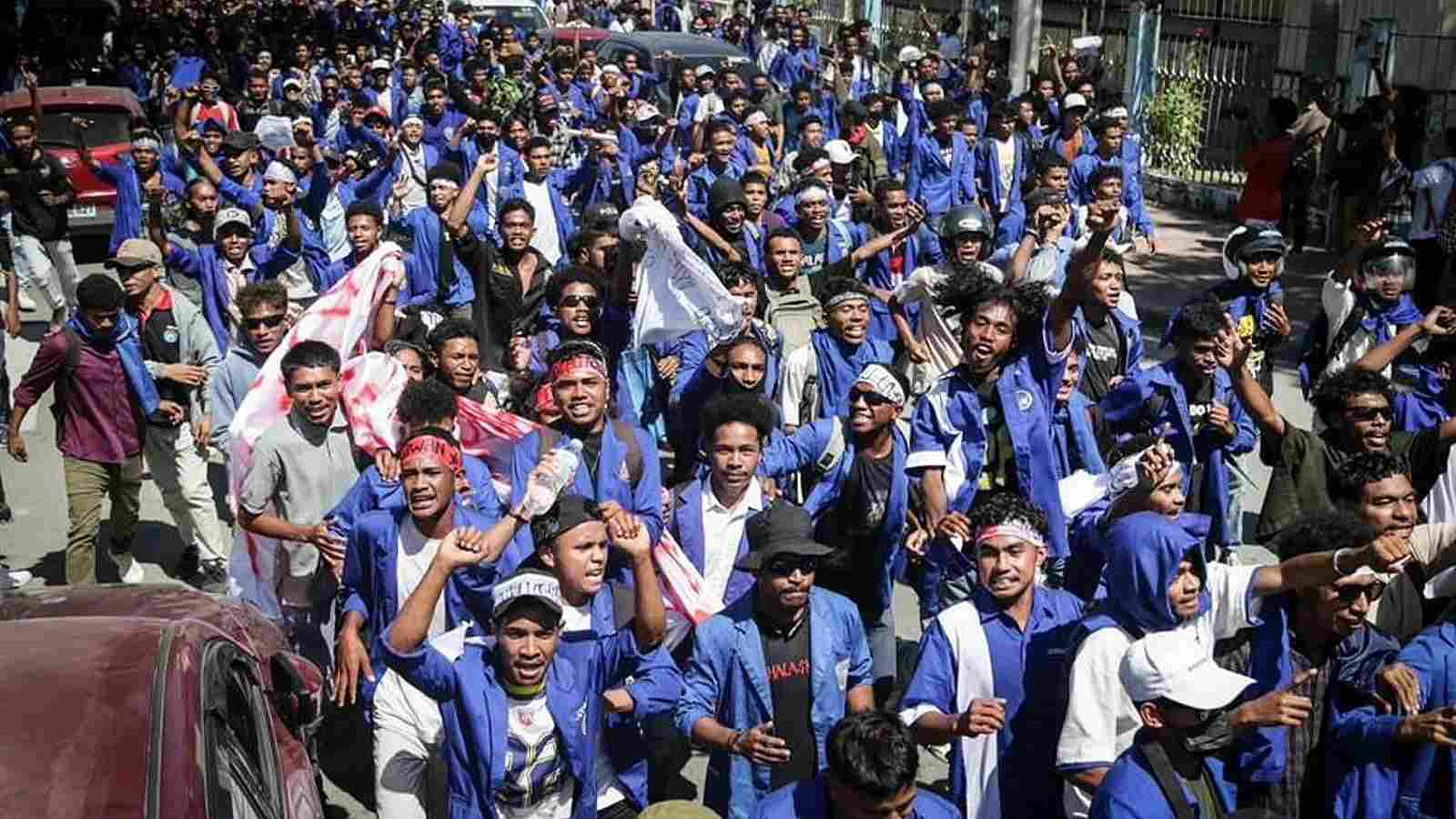
The uproar began when the parliament proposed buying 65 Toyota Prado SUVs—one for each MP. The move was met with immediate backlash, with critics arguing that such lavish spending was tone-deaf in a nation struggling to provide basic services like healthcare, education, and infrastructure. Public dissent escalated into mass demonstrations in the capital, Dili, where students, activists, and citizens united to voice their frustration.
From Protests to Flames
The demonstrations were not without tension. Protesters clashed with police, and some even set government vehicles on fire—a stark reflection of the depth of public anger. The scenes in Dili were chaotic, with tires burning in the streets and rocks hurled at law enforcement. Authorities responded with tear gas, further intensifying the unrest.
In the face of mounting pressure, parliamentary leaders admitted the SUV proposal was ill-conceived. “This is not in the public interest,” one lawmaker confessed, acknowledging the growing demand for government accountability. The plan was ultimately scrapped, marking a win for civic activism and a testament to the power of collective action.
A Second Battle: Lifetime Pensions
Just as the dust began to settle, a second controversy emerged: a plan to provide lifetime pension allowances for MPs. Once again, students and activists took to the streets, calling the proposal an affront to the nation’s economic realities. Timor-Leste, one of Southeast Asia’s poorest countries, depends heavily on dwindling oil and gas reserves. For many, the idea of lifetime pensions for lawmakers seemed like a betrayal of the public trust.
Over 1,000 students staged protests in front of the parliamentary building for three consecutive days. Demonstrators burned tires and demanded the immediate cancellation of the pension plan. Faced with unrelenting public pressure, lawmakers conceded, agreeing to abolish the proposal. This marked the second significant reversal in a matter of weeks, underscoring the growing influence of civic movements in shaping public policy.
The Bigger Picture
Timor-Leste’s recent protests are part of a broader regional trend. Across Southeast Asia, citizens are increasingly challenging government decisions that prioritize the elite over the common good. In neighboring Indonesia, protests against police brutality and wealth inequality have similarly dominated headlines. These movements, often led by younger generations, signal a shift towards greater civic engagement and a demand for transparency.
For Timor-Leste, the events of recent weeks serve as a wake-up call for its leaders. The nation, which gained independence from Indonesia in 2002 after decades of struggle, is still in the early stages of building its democratic institutions. Public backlash against the SUV and pension plans highlights the need for policies that align with the needs and aspirations of the people.
Timor-Leste’s recent victories against government excess are more than isolated events; they represent a broader demand for accountability in governance. In a young democracy, such moments are pivotal in shaping a more equitable future.