
Quick Read
- Timothée Chalamet faced industry-wide backlash after dismissing the cultural relevance of ballet and opera during a public event.
- Misty Copeland and major opera institutions publicly criticized the actor for failing to support traditional art forms.
- The incident has sparked a wider conversation about the accessibility and future of classical arts in the digital era.
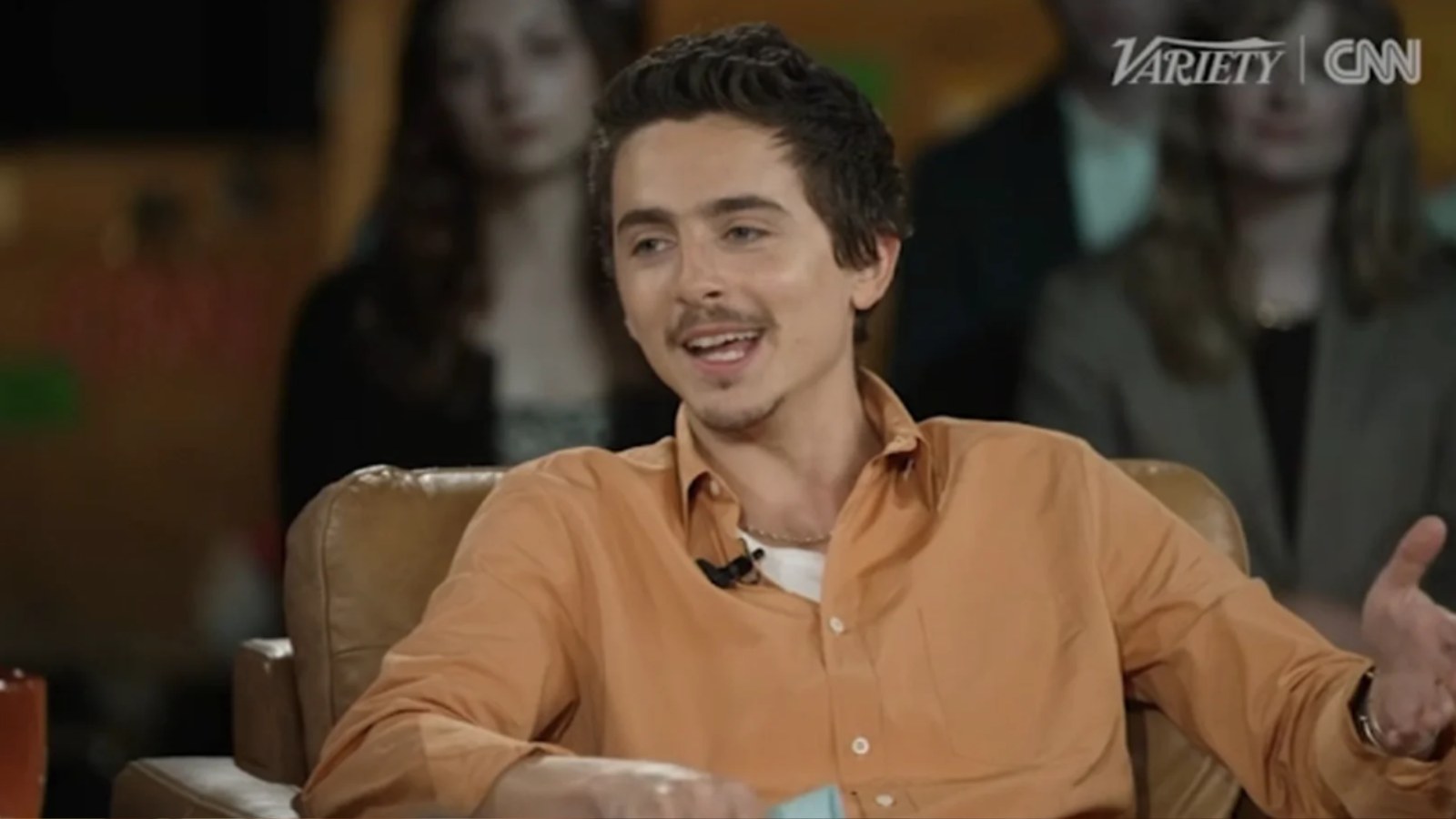
Actor Timothée Chalamet has ignited a significant cultural debate after questioning the ongoing relevance of ballet and opera during a public discussion with Matthew McConaughey. The remarks, which occurred during an event hosted by CNN and Variety, saw the Oscar-nominated star suggest he had no desire to work in mediums focused on “keeping things alive,” a comment that has since drawn sharp rebukes from established figures in the performing arts.
The Industry Backlash Against Chalamet
The response from the ballet and opera world was swift and visceral. Misty Copeland, the first Black female principal dancer for the American Ballet Theater, publicly criticized the actor for his dismissive tone. Copeland argued that Chalamet should be using his platform to uplift all art forms rather than fostering competition. The Seattle Opera even launched a promotional campaign, offering a 14% discount on tickets with the code “Timothee” in a pointed response to the controversy, according to CBS News.
Understanding the Divide in Classical Arts
While the backlash has been widespread, some commentators have pointed to a deeper, more uncomfortable truth regarding the accessibility of classical arts. ArtReview notes that these institutions often occupy a niche, albeit cherished, corner of the public imagination, largely due to high barriers to entry, including prohibitive costs and rigid traditional structures. Critics argue that Chalamet’s comments, while perceived as careless, inadvertently highlighted the struggle these art forms face in capturing the modern cultural zeitgeist.
The Intersection of Celebrity and Culture
The intensity of the reaction underscores the unique power of celebrity influence in 2026. As noted by The Free Press, even former opera professionals have weighed in, suggesting that the actor’s candid, if clumsy, remarks have laid bare the perceived gap between mainstream entertainment and classical performance. Despite the digital noise and the social media outrage, the incident has largely served as a catalyst for a broader conversation about how institutions like the Kennedy Center—and the wider arts sector—can sustain their relevance in an era of rapid digital consumption.
The controversy surrounding these comments highlights a growing tension between traditional arts institutions and modern celebrity culture, revealing that while the ballet and opera worlds are quick to defend their historical value, they remain deeply sensitive to perceptions of obsolescence in an increasingly digital-first landscape.