
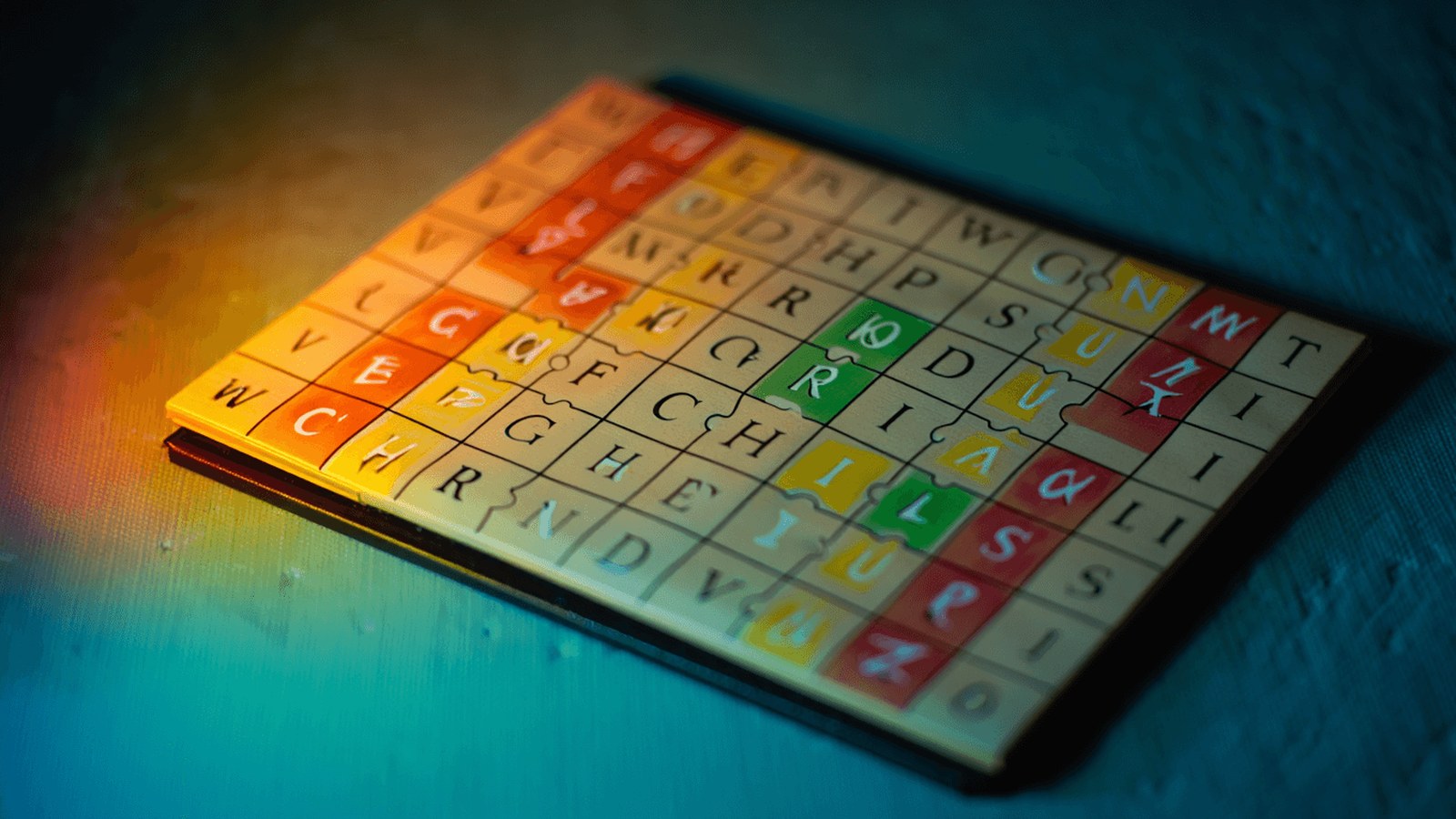
Quick Read
- NYT Strands puzzle #643, published December 6, 2025, features a Tolkien’s World theme.
- Players must find seven theme words: Wizard, Ring, Forest, Dwarf, Quest, Shire, Hobbit.
- The spangram is MIDDLEEARTH, connecting all theme words across the grid.
- Difficulty is rated medium, requiring knowledge of Tolkien’s universe.
- Hints are revealed for every three non-theme words found, aiding puzzle completion.
Tolkien’s World Takes Center Stage in NYT Strands Puzzle #643
On December 6, 2025, the New York Times Strands puzzle threw fans of fantasy into the heart of Middle-earth with a theme few could ignore: Tolkien’s World. This wasn’t just another word search—it was a tribute to the legendary J.R.R. Tolkien, whose universe of hobbits, dwarves, and magical quests has captivated generations. For puzzle enthusiasts and Tolkien devotees alike, Strands #643 became both a test and a celebration, inviting players to hunt for seven core words and a spangram that ties them all together.
Inside the Puzzle: How Middle-earth Emerged from the Grid
The day’s puzzle, as reported by Red94 and CNET, set its theme boldly: ‘One ring to rule them all.’ Instantly, Tolkien’s iconic inscription on the One Ring echoed in the minds of those familiar with his work. The challenge? To locate seven theme words—Wizard, Ring, Forest, Dwarf, Quest, Shire, and Hobbit—each representing an essential facet of Tolkien’s imagined world. These words weren’t simply laid out in straight lines; Strands demands players to search in every direction—horizontal, vertical, zigzag, and sometimes winding—mirroring the unpredictable journeys found in Tolkien’s stories themselves.
But there’s more. The puzzle’s unique spangram, MIDDLEEARTH, stretched across the board, connecting all the theme words and acting as a linchpin to the entire challenge. As described by Analytics Insight, finding this spangram is often the puzzle’s climax, requiring sharp observation and a deep familiarity with Tolkien’s universe.
Theme Words: Unraveling the Essence of Middle-earth
Each of the seven theme words carries deep significance:
- Wizard: Evoking Gandalf, the wise and enigmatic guide who shapes the fates of heroes.
- Ring: The One Ring, source of power and peril, central to the saga’s conflict.
- Forest: The ancient woodlands, home to elves and mysteries, from Lothlórien to Fangorn.
- Dwarf: The stout-hearted miners and warriors, whose craftsmanship and loyalty drive much of the story.
- Quest: The epic journeys and missions—Frodo’s burden, Bilbo’s adventure—defining Tolkien’s narrative arc.
- Shire: The peaceful, pastoral homeland of the hobbits, symbolizing innocence and comfort.
- Hobbit: The small folk whose courage shapes the fate of Middle-earth.
Locating these words wasn’t just a matter of vocabulary; it was an exercise in immersion, requiring players to channel their inner Tolkien and see the grid as a map of adventure.
Strategies and Hints: Navigating the Strands Challenge
As described by puzzle guides from CNET and Analytics Insight, success in Strands isn’t just about recognizing theme words—it’s also about clever searching. The game rewards discovery of any four-letter words or longer, revealing hints for the main answers. Words like ‘Fore,’ ‘More,’ ‘Dale,’ and ‘Wing’ could unlock clues, nudging players closer to the thematic core.
Players are encouraged to scan corners and edges, where key words often hide, and to work systematically. The hints provided by the game—such as the starting letters of each theme word—reduce the guesswork, making each discovery feel earned. The spangram, meanwhile, typically isn’t found at the grid’s edge but instead winds across, often horizontally, requiring players to trace a path that echoes the journey motif central to Tolkien’s stories.
The puzzle’s difficulty is rated as medium, mainly because it demands not just wordplay but a working knowledge of Tolkien’s mythology. For those unfamiliar with Middle-earth, the hints become lifelines; for fans, they’re breadcrumbs leading to familiar territory.
Why Tolkien’s World Resonates with Puzzle Enthusiasts
Strands puzzles thrive on variety, rarely repeating themes and constantly challenging players to expand their vocabulary and cultural knowledge. The Tolkien’s World edition stands out because it bridges literature and gaming, inviting participants to revisit a universe that’s at once fantastical and deeply human. As CNET noted, the puzzle is fun but can be tricky, especially for those who haven’t journeyed through Tolkien’s novels or the films based on them.
The puzzle’s approach—requiring both broad word-finding and targeted theme recognition—mirrors the spirit of Tolkien’s stories, where heroes must uncover hidden paths and decipher cryptic clues to succeed. The sense of discovery, the thrill of finding connections, and the satisfaction of completion all echo the adventure at the heart of Middle-earth.
A Puzzle for Everyone: Accessibility and Engagement
One of the strengths of NYT Strands, according to Analytics Insight, is its universal appeal. Whether you’re five or fifty, the puzzle is accessible, with no complex rules or barriers to entry. The format encourages casual play but rewards deeper engagement, making it a daily ritual for many. The Tolkien’s World theme, with its rich imagery and beloved characters, draws in a wide audience—not just gamers, but readers, film buffs, and fantasy fans.
For those who struggled, the puzzle offered a supportive structure—every three non-theme words found would reveal a theme word, making the journey achievable even for newcomers. The community aspect, with millions playing each day, adds a layer of camaraderie, as solvers share their streaks and celebrate their victories online.
The Legacy of Tolkien in Modern Games
It’s no coincidence that Tolkien’s world continues to inspire puzzles, games, and pop culture references. His work, originally published in the mid-twentieth century, laid the groundwork for modern fantasy, influencing everything from video games to blockbuster films. The NYT Strands puzzle pays homage to this legacy, turning literary appreciation into interactive engagement.
As Annabelle Ink, gaming journalist, observed, the puzzle’s blend of challenge and nostalgia makes it a standout entry in the daily rotation, providing both a mental workout and a moment of connection with a beloved fictional world.
Assessment: NYT Strands #643 demonstrates how well-designed puzzles can transform literary themes into interactive experiences, deepening engagement while celebrating cultural milestones. By drawing on Tolkien’s rich universe, the puzzle not only challenges fans but also invites new audiences to explore Middle-earth, proving that great stories endure—and adapt—across generations.