
Quick Read
- Tommy Robinson was arrested on suspicion of grievous bodily harm after an alleged assault at St Pancras station in London.
- The incident occurred on July 28, 2025, with video showing Robinson near a motionless man on the floor.
- Robinson claimed self-defense and called for the release of CCTV footage to vindicate him.
- He was apprehended at Luton Airport on August 4 after returning from Tenerife and Portugal.
- Robinson was released on bail until September 2 as investigations continue.
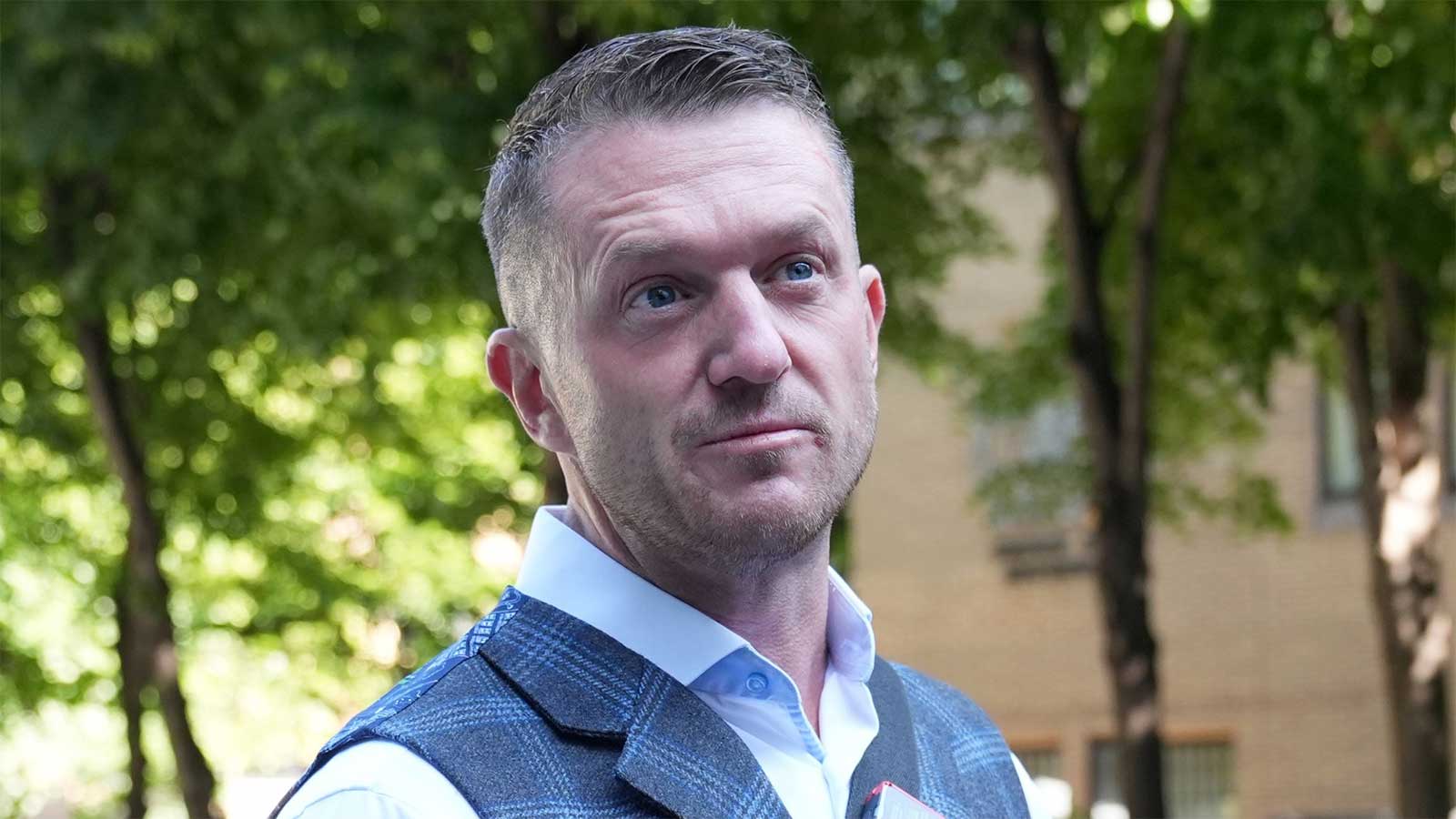
Tommy Robinson, one of Britain’s most polarizing far-right activists, was arrested on suspicion of grievous bodily harm after an alleged assault at London’s St Pancras train station on July 28, 2025. The 42-year-old, whose real name is Stephen Yaxley-Lennon, was apprehended at Luton Airport upon his return to the UK on August 4, following a brief departure to Tenerife and Portugal. He has since been released on bail pending further investigation.
Details of the Incident at St Pancras Station
The alleged altercation occurred around 8:40 PM on July 28 at St Pancras station in central London. Video footage that circulated widely on social media shows Robinson near a motionless 64-year-old man lying face down on the floor. Police were called to the scene, where the victim was found with serious head injuries. He was subsequently hospitalized and discharged two days later.
Robinson claimed self-defense, asserting that the man had accosted him. In a statement posted on X (formerly Twitter), Robinson urged authorities to release CCTV footage of the incident, which he believes will vindicate him. He stated, “If someone wants to come up and accost me, confront me and attempt to attack me, I’m within my rights to defend myself.” Robinson also added that the CCTV footage, which he saw during his police interview, showed he acted lawfully.
The Arrest and Investigation
Following the incident, Robinson left the UK in the early hours of July 29, traveling first to Tenerife and then to Faro, Portugal. British Transport Police (BTP) issued a notice for Robinson’s questioning, which culminated in his arrest at Luton Airport on August 4 as he returned to the country. According to The Guardian, Robinson was released on bail until September 2, while investigations continue.
In a statement, the BTP confirmed: “Officers from BTP have tonight arrested a 42-year-old man from Bedfordshire in connection to an assault at St Pancras station on July 28. The arrest took place at Luton Airport shortly after 6:30 PM, following a notification that the man had boarded an incoming flight from Faro.” The police did not name Robinson, adhering to UK protocol of withholding suspects’ names unless charges are formally pressed.
Public Reaction and Controversy
Robinson’s arrest and the circumstances surrounding the incident have reignited debates about his controversial public persona. Once the leader of the English Defence League, Robinson has been described by the far-right monitoring group Hope Not Hate as “the best-known far-right extremist in Britain.” His polarizing reputation has drawn both staunch supporters and fierce critics.
Footage of the altercation has been widely circulated, fueling speculation and debate about what transpired before the victim was injured. Critics argue that Robinson’s self-defense claim remains unsubstantiated, as the viral video does not show the moments leading up to the assault. Supporters, however, echo Robinson’s call for the release of the full CCTV footage, which he believes will clear his name.
What Happens Next?
With Robinson released on bail, the investigation continues. The BTP is working to piece together evidence, including CCTV footage and witness testimonies. The case has drawn significant media attention, given Robinson’s history of legal controversies and public altercations. As September approaches, all eyes will be on whether formal charges are brought against Robinson and whether further details of the incident come to light.
As the investigation unfolds, the public remains divided, highlighting the ongoing tensions surrounding Tommy Robinson’s polarizing figure and the broader implications of his actions.