
Quick Read
- The Topsfield Fair was founded in 1818 and is America’s oldest agricultural fair.
- It blends historic farming traditions with modern attractions and community outreach.
- The fair adapts to modern challenges, focusing on inclusivity and education.
- Local farmers and youth remain central to its mission.
- The fair supports the regional economy and rural heritage.
America’s Oldest Agricultural Fair Returns Strong
Every autumn, as leaves begin to turn and the air takes on that crisp, unmistakable edge, the town of Topsfield, Massachusetts, transforms into a bustling epicenter of nostalgia and local pride. The Topsfield Fair—dating all the way back to 1818—has carved its place in American history as the nation’s oldest agricultural fair. For generations, it’s been more than just a collection of rides and fried food; it’s a living showcase of New England’s rural roots, resilience, and evolving spirit.
From Humble Beginnings to a Modern Celebration
The story of the Topsfield Fair is, at its core, a tale of community. In its earliest days, farmers gathered here to compare crops, livestock, and share their hard-earned wisdom. Over two centuries, the fair has grown from a modest gathering into a sprawling, multi-day event attracting tens of thousands of visitors each year. Today, families from across the region flock to the fairgrounds, eager to experience everything from antique tractors and prize-winning pumpkins to the infectious laughter echoing from midway games.
What’s striking is how the fair has managed to hold onto its agricultural heart. The livestock competitions, horse pulls, and produce displays are still front and center—reminders of the region’s farming heritage. Yet, like any living tradition, Topsfield has evolved. Modern attractions, live music, and culinary adventures now complement the old favorites, creating a unique blend that appeals to both longtime locals and first-time visitors.
Local Voices: What Keeps the Topsfield Fair Special?
For many, the fair is a rite of passage. «My grandparents took me here, and now I bring my own kids,» says longtime attendee Susan Miller. «There’s a sense of belonging you just can’t find anywhere else.» That sentiment is echoed in countless conversations along the fair’s winding paths. Whether it’s the thrill of seeing a record-breaking giant pumpkin or the satisfaction of tasting fresh cider donuts, the Topsfield Fair weaves together moments that linger long after the gates close.
The fair’s organizers work year-round to ensure every detail reflects the community’s values. «We want people to feel connected—to the land, to each other, and to the traditions that make this place unique,» says one board member. This commitment is evident in the educational exhibits, hands-on workshops, and outreach programs designed to engage young people and foster a love for agriculture.
More Than Just Festivities: Facing Modern Challenges
No tradition survives two centuries without weathering its share of storms. The Topsfield Fair has faced challenges, from economic downturns to shifting demographics and, more recently, the impact of global events that have disrupted public gatherings. Organizers have had to adapt, introducing new health and safety measures, reimagining crowd flow, and leveraging technology to keep visitors informed and engaged. While some traditions—like the parade and fireworks—have been tweaked to suit changing times, the fair’s core remains unchanged: a celebration of community, agriculture, and resilience.
Recent years have also highlighted the importance of accessibility and inclusion. Efforts to make the fair more welcoming to people of all backgrounds and abilities have taken center stage, with improved facilities and a renewed focus on outreach. The fair’s enduring popularity speaks to its ability to evolve without losing sight of what matters most.
Looking Ahead: The Future of the Topsfield Fair
As the fair approaches its next milestone anniversary, organizers and attendees alike are reflecting on what the future holds. Will the next generation embrace the traditions as wholeheartedly as their predecessors? Early signs are promising. Youth participation in agricultural competitions is on the rise, and new partnerships with local schools and farms are fostering a deeper appreciation for rural life. The fair’s commitment to education and innovation ensures it remains relevant in an ever-changing world.
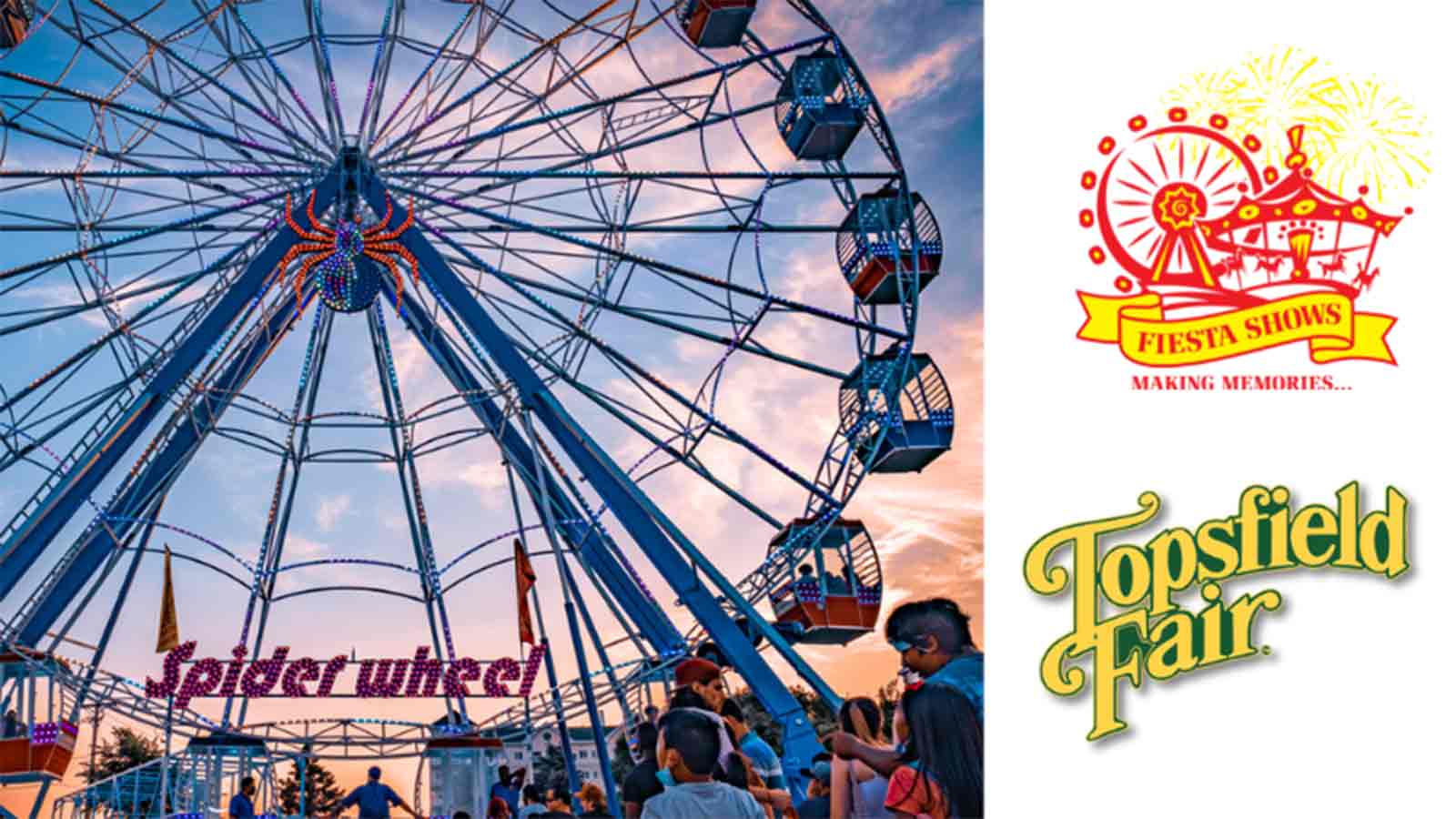
At the heart of it all is a simple truth: the Topsfield Fair endures because it means something—something real—to the people who gather here each year. Whether you come for the blue-ribbon pies, the thrill of the Ferris wheel, or the quiet moments spent among barn animals, the fair is a living reminder of the ties that bind communities together.
According to Reuters and local coverage, the fair’s impact extends well beyond the gates. It supports local farmers, boosts the regional economy, and serves as a beacon for rural heritage in a rapidly urbanizing world. In an era when traditions can feel fleeting, the Topsfield Fair stands as a testament to the enduring power of shared experience.
Assessment: The Topsfield Fair’s ability to balance tradition with change is its greatest strength. By honoring its agricultural roots while embracing modern challenges and inclusivity, the fair has become more than a local event—it is a living symbol of New England’s resilience and communal spirit. Its continued relevance depends not just on nostalgia, but on its capacity to evolve and unite people across generations.