
Quick Read
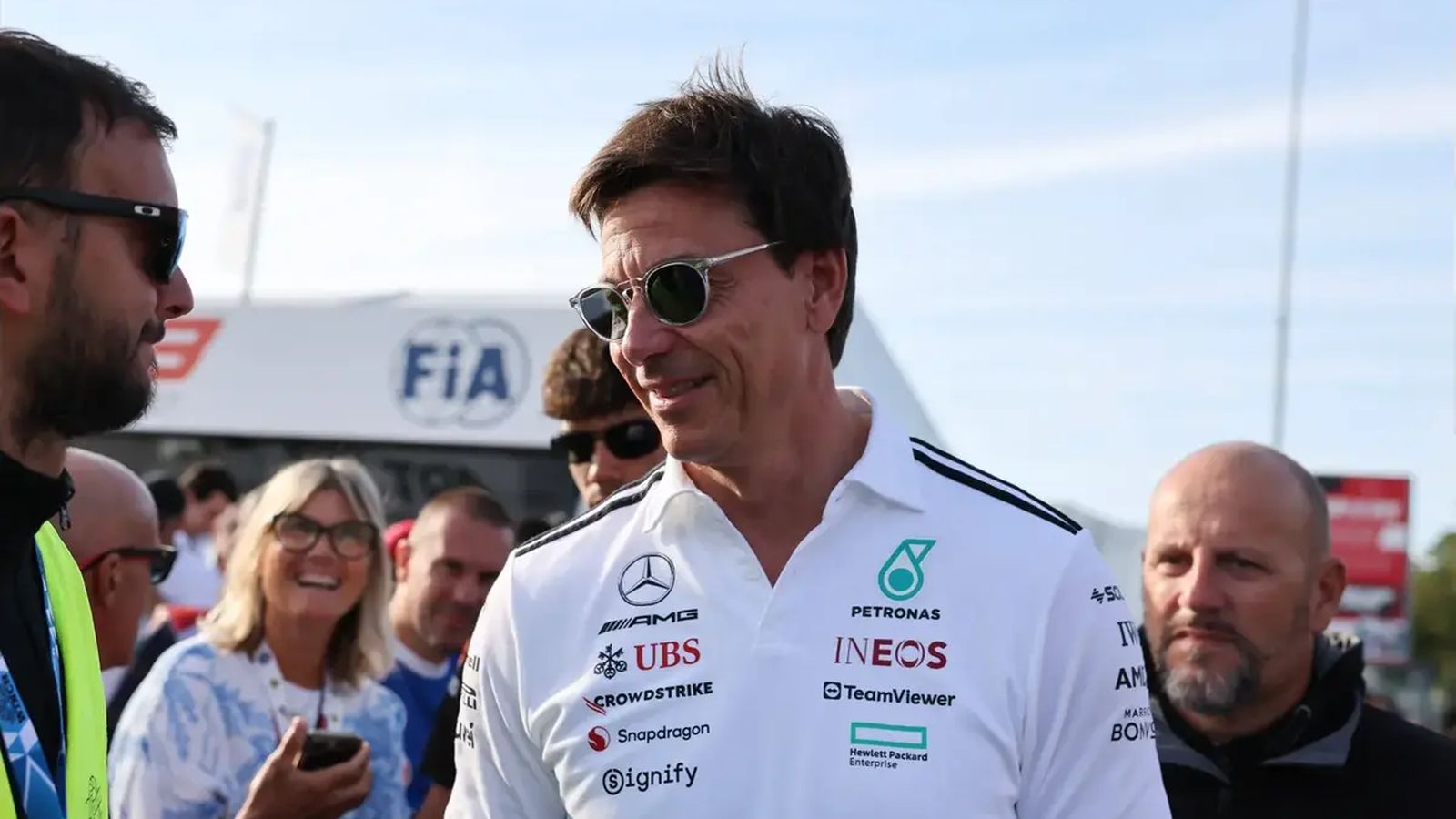
- Toto Wolff called Michael Masi a ‘lunatic’ over the 2021 Abu Dhabi Grand Prix controversy.
- Wolff believes Masi’s decision cost Lewis Hamilton an eighth world title.
- Susie Wolff echoed the disbelief at the race director’s rule interpretation.
- FIA later admitted a ‘human error’ but defended Masi’s good faith.
- Mercedes has struggled since, while Verstappen has dominated F1.
Toto Wolff Revisits Abu Dhabi: The Night That Changed Everything
Nearly four years after the infamous 2021 Abu Dhabi Grand Prix, the ripples from that chaotic evening still crash through Formula 1. Toto Wolff, the passionate and outspoken team principal of Mercedes, continues to voice his outrage over the race director Michael Masi’s controversial decisions—a moment Wolff describes as a devastating loss of control that forever altered the sport’s trajectory.
On that December night, Lewis Hamilton was on the verge of clinching his record-breaking eighth world title. The tension was electric; the stakes, monumental. But as Williams driver Nicholas Latifi crashed, the safety car emerged, setting the stage for a sequence of events that would soon be dissected by fans and pundits for years to come.
Masi’s call to allow only selected lapped cars to un-lap themselves—contrary to the usual protocol—created a one-lap showdown. Max Verstappen, on fresher tires, seized the opportunity and snatched victory from Hamilton, leaving the Mercedes camp stunned and the Formula 1 world in uproar. Wolff, immediately after the race, infamously radioed race control with, “Michael, this is so not right,” only to receive the now-legendary reply, “It’s called a motor race.” (GPblog, F1i)
Wolff’s Outspoken Grief: “A Lunatic Destroyed History”
That single decision, Wolff maintains, was not just a human error but a fundamental failure in race governance. In multiple interviews since the race, and most recently during a promotional event for his wife Susie Wolff’s memoir “Driven,” Wolff’s frustration boiled over. He labeled Masi a “lunatic,” saying, “There is one lunatic who can basically destroy the record of the greatest champion of all time.”
For Wolff, the sting of that loss goes beyond statistics—it’s about the integrity of the sport. “I have not experienced the loss of control of a situation since I was a child,” he reflected. It’s a sentiment that resonates with many in the paddock, who saw the outcome as a departure from the sport’s core principles of fairness and consistency.
Susie Wolff, herself a key figure in motorsport as the F1 Academy managing director, shared her own reaction: “It was disbelief. That one person’s decision to interpret the rules in a way that they had never been interpreted before could have caused such an outcome. It sat so heavily with me for a long time afterwards.” (Autogear.pt)
The Human Cost: Mercedes, Hamilton, and the Unfinished Business
The aftermath of Abu Dhabi has been stark. Mercedes, once the dominant force in F1, has struggled to recapture its previous heights under the new regulations. Hamilton, who was poised for history, has found himself in a protracted battle for relevance—now with Ferrari, and still searching for a podium finish. Meanwhile, Verstappen has soared, clinching three more titles and chasing his fifth, a testament to how the sport’s fortunes can pivot on a single moment.
Yet, as Susie Wolff made clear, their frustration is not directed at Verstappen. “He was a deserving champion. It’s nothing against Max. It was the way it happened. The fact that Lewis was so deserving on that day. He was the better driver. He was winning that race.” The controversy, for the Wolffs and many others, centers on the process, not the outcome. (F1i)
The FIA’s own subsequent investigation conceded that “human error” played a role, but maintained Masi acted in good faith. Still, for Toto Wolff and Mercedes, the lingering pain is less about losing a title and more about losing trust in the system that governs the sport.
Legacy of a Decision: What’s Next for F1?
As the sport moves forward, the shadow of Abu Dhabi 2021 remains. The incident has triggered ongoing debates about race control, consistency, and transparency. For Wolff, the episode serves as a cautionary tale—a reminder that Formula 1, for all its glamour and speed, is still vulnerable to the human element.
The motorsport community continues to dissect what happened, searching for lessons and safeguards. New regulations, such as those set to arrive in 2026, offer hope for a reset. Hamilton’s fans await a resurgence, while Mercedes works to adapt and compete in an era increasingly defined by Red Bull’s dominance.
And for the Wolffs, the journey is not just professional but deeply personal. Susie’s own legal battles with the FIA over transparency and accountability, as highlighted in recent court filings, mirror the larger struggle for fairness that the Abu Dhabi fiasco represents. The call for reform echoes across both competitive and administrative sides of Formula 1, showing that the consequences of one night’s decisions can reverberate far beyond the track.
As Wolff himself noted, “Somebody else collecting the trophies” continues to sting—but the focus now is on restoring faith in the sport’s future.
Wolff’s persistent anguish over Abu Dhabi 2021 underscores a broader truth: in Formula 1, the line between triumph and heartbreak can hinge on a single judgment call. His story is a warning and a challenge, pressing the sport to ensure that its champions are crowned not by controversy, but by clarity and merit.