
QUICK READ
- The Armenian prime minister discussed traffic congestion at a government meeting.
- He addressed the issue and considered possible solutions.
- The initial update did not include concrete policy details or timelines.
- The discussion reflects ongoing concerns about mobility in Armenia’s urban centers.
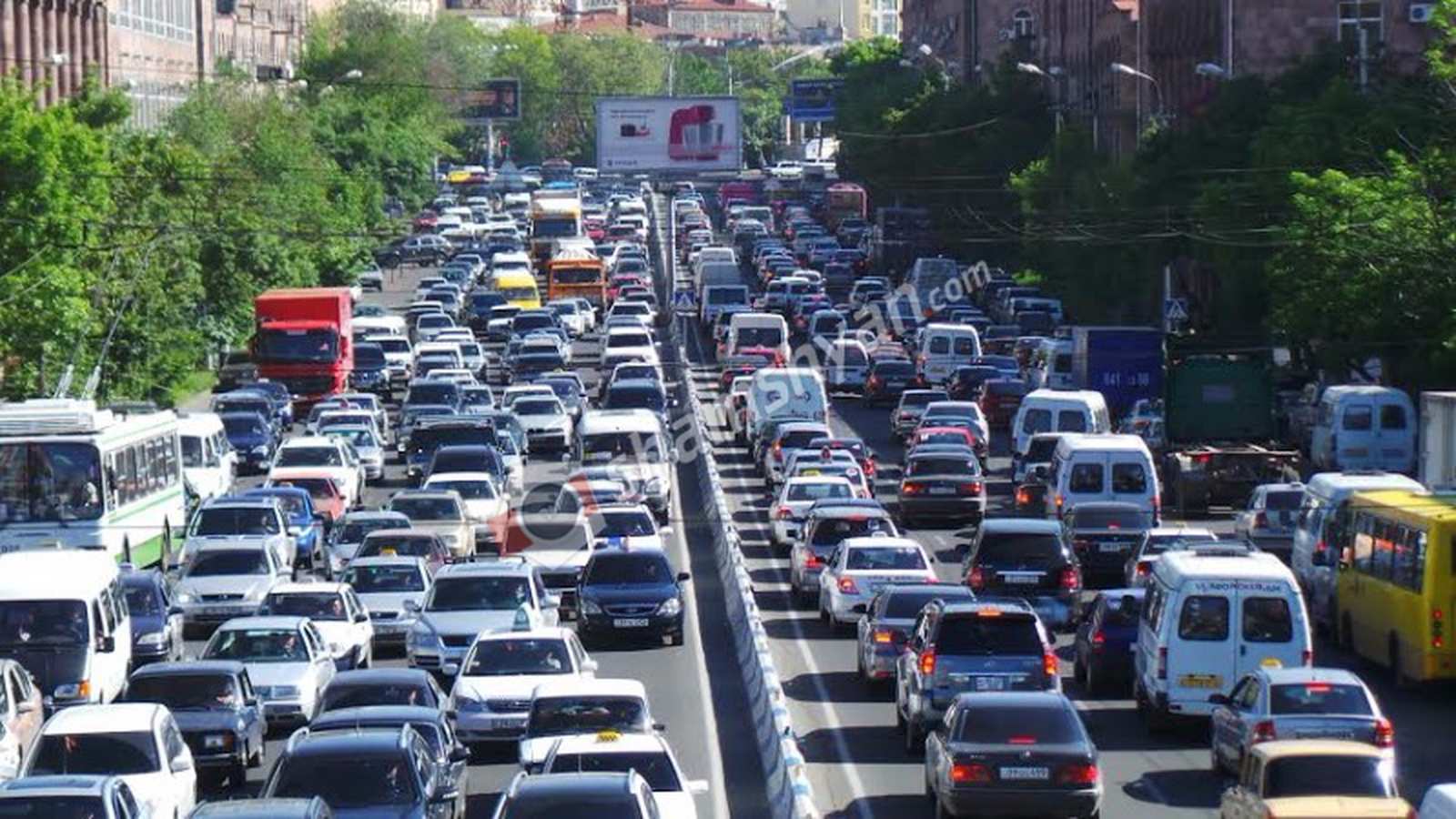
In a government session this week, Armenia’s Prime Minister Nikol Pashinyan addressed the persistent problem of road traffic congestion and discussed potential avenues for alleviating gridlock in the capital and other urban areas. The Prime Minister’s remarks were part of a broader review of mobility-related challenges facing the country as authorities seek to balance growth with efficient transport. The official emphasis was on understanding the scope of the issue and exploring ways to improve daily commutes for residents and workers alike, though the government has yet to release a detailed policy package.
Details released by the government did not provide a full policy package or a timetable for action. The official update highlighted the topic of traffic management but stopped short of enumerating specific measures or deadlines, a tempo that left observers waiting for a more substantive plan. The brief note accompanying the remarks ended with a prompt to “continue reading,” signaling that further information would be published later. This cautious approach—sharing a general acknowledgment of the problem while deferring concrete steps—is not unusual in parliamentary or cabinet communications, where ministers often outline priorities before rolling out implementable programs.
Analysts say that governments typically weigh a mix of interventions to ease congestion, including upgrading public transport networks, improving the efficiency of traffic management systems, expanding road capacity where feasible, and implementing policies to encourage commuters to shift away from private cars during peak hours. In Armenia’s context, any concrete steps would need to align with budgetary constraints, urban planning standards, and the political will to implement reforms that can affect daily life for thousands of residents and workers. While the initial release did not specify which instruments might be deployed, the discussion signals an intent to tackle mobility as a governance priority rather than a purely infrastructural issue.
While the exact proposals remain unclear, the discussion underscores the administration’s prioritization of mobility as a governance issue. Traffic delays have long been a source of frustration for commuters and businesses alike, impacting productivity and quality of life in major cities. The government has several potential levers at its disposal, and any forthcoming packages will be analyzed for their practicality, cost, and social impact before they are rolled out on the ground. In the Armenian context, the success of any plan will likely depend on clear targets, transparent budgeting, and mechanisms for monitoring progress, including independent assessment and public communication.
As Armenia continues to navigate urban transportation challenges, Tuesday’s remarks signal that the administration plans to move from high-level statements to concrete policy work. The absence of specifics in the initial release means stakeholders will be watching for subsequent briefings that spell out the mechanisms, funding, and timelines that would make these discussions tangible for citizens. The next updates will be closely scrutinized by urban planners, business leaders, and daily commuters who seek reliable signals about when and how traffic conditions might improve in the near term.
FINAL ANALYSIS: Looking ahead, the effectiveness of any traffic-relief program will hinge on clear implementation details, credible funding, and measurable targets, and observers will await the government’s next briefings to evaluate whether the discussion translates into tangible improvements for Armenia’s road users.