
Quick Read
- Trump imposes 50% tariffs on Indian goods over Russian oil purchases.
- India’s economy and key industries like textiles face significant challenges.
- Tensions strain US-India relations, pushing New Delhi closer to Russia and China.
- Experts warn of global supply chain disruptions and economic fallout.
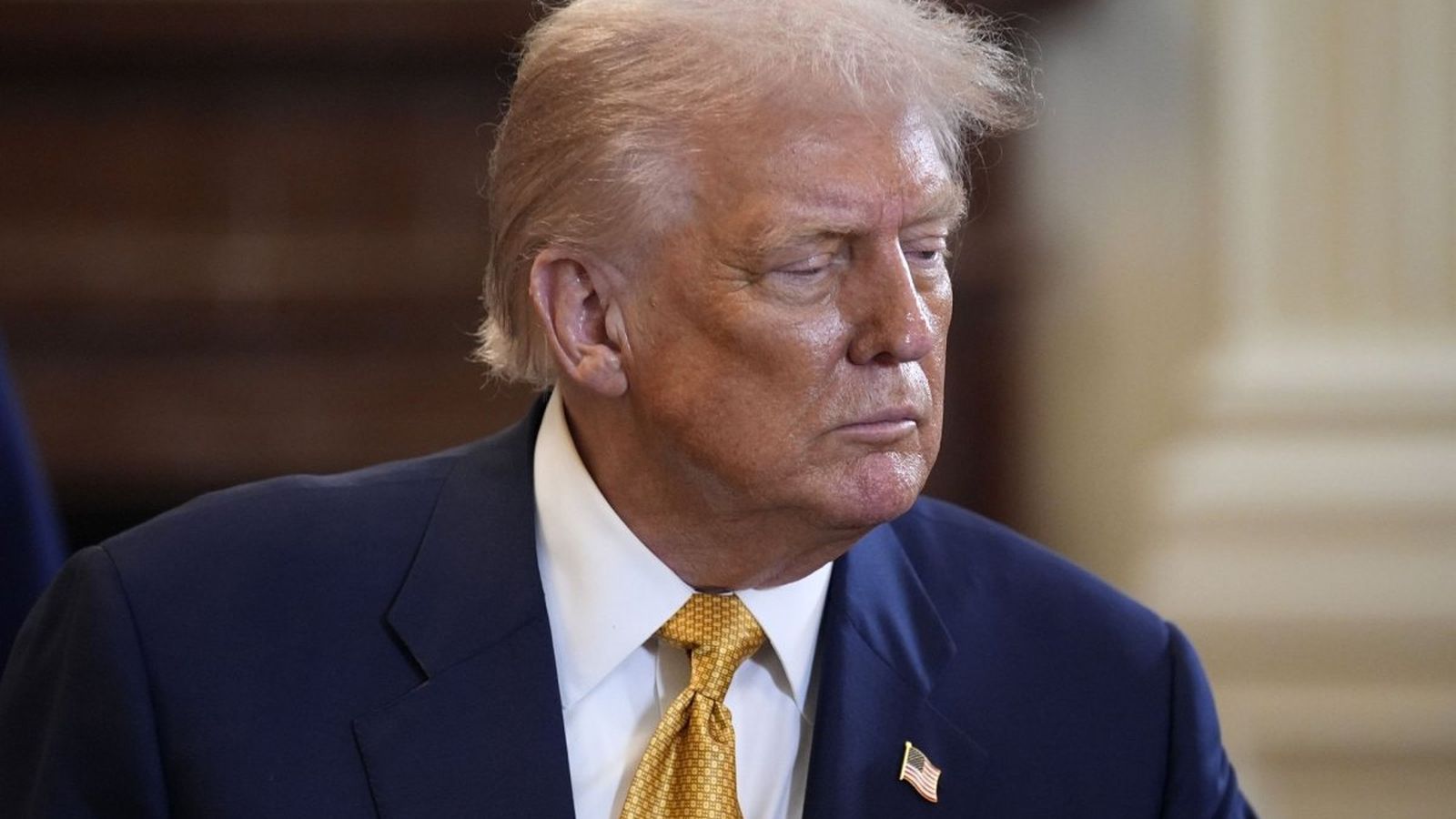
The decision by President Donald Trump to impose a 50% tariff on most Indian imports has sent shockwaves through the global economy. The move, effective from August 27, 2025, represents a significant escalation in US trade policy and is a punitive response to India’s continued purchases of Russian oil. This tariff hike doubles the already steep 25% duty implemented earlier this year, making Indian goods among the most heavily taxed imports to the United States.
Why the Tariffs? The Russian Oil Connection
According to the Trump administration, the primary justification for these unprecedented tariffs is India’s purchase of discounted Russian oil. As part of its broader strategy to isolate Russia economically over its ongoing war in Ukraine, Washington has argued that India’s imports indirectly fund Moscow’s military operations. While Europe and other nations have faced criticism for similar trade practices, India has been specifically targeted with these measures, sparking accusations of hypocrisy from New Delhi.
India’s External Affairs Minister, S. Jaishankar, labeled the tariffs as “unjustified and unreasonable,” pointing out that European nations trade far more with Russia without facing equivalent penalties. He also noted that replacing Russian oil—approximately 42% of India’s imports—would be a monumental task that would disrupt India’s energy security.
Meanwhile, Trump has defended the decision, claiming on his social network, Truth Social, that India’s actions undermine global stability. However, critics argue that the tariffs are less about principle and more about leveraging geopolitical power to coerce India into alignment with US foreign policy goals.
The Economic Fallout: Jobs, Exports, and Growth at Risk
The economic ramifications of the 50% tariffs on Indian goods are already being felt. India exported $87 billion worth of goods to the US last year, with sectors like textiles, gems, and jewelry heavily reliant on the American market. These industries are now grappling with shrinking demand as the tariffs render Indian products uncompetitive compared to those from other countries like Vietnam and Thailand, which face significantly lower duties.
Goldman Sachs has warned that the sustained imposition of these tariffs could reduce India’s GDP growth rate to below 6%, down from a projected 6.5%. Labor-intensive industries, particularly in regions like Gujarat, are bracing for massive job losses. The Federation of Indian Export Organisations (FIEO) has reported that manufacturers in hubs like Tirupur and Surat have already halted production due to the escalating costs of doing business.
In the US, the tariffs may have unintended consequences as well. American consumers and businesses, already grappling with inflation, are likely to face higher prices for goods imported from India. Moreover, sectors like pharmaceuticals and refined fuels, which remain exempt from the tariffs, highlight the selective nature of these measures, sparking concerns about their overall efficacy.
Diplomatic Strains: A Fractured Partnership
The US and India have long been strategic allies, with shared interests in counterbalancing China’s influence in the Indo-Pacific. However, the imposition of these tariffs has strained this partnership, undoing years of diplomatic progress. As The Guardian reported, Indian officials view this as a betrayal that could push New Delhi closer to Moscow and Beijing.
Prime Minister Narendra Modi has responded with defiance, urging citizens to prioritize “Made in India” products and diversifying trade relationships toward regions like Latin America and the Middle East. Modi’s government has also hinted at potential retaliatory measures, which could include higher tariffs on American exports like aerospace products and agricultural goods.
Despite the tensions, both sides have kept communication channels open. Jaishankar emphasized that “the lines are not cut,” and trade talks continue, albeit with little optimism for a near-term resolution. Earlier hopes for a trade agreement capping tariffs at 15% were dashed after India refused to open its agricultural market to US farm goods, a politically sensitive issue for Modi’s administration.
Global Implications: A New Trade Landscape
The broader implications of Trump’s tariffs extend beyond the US-India relationship. By targeting India, the world’s fifth-largest economy, the US risks disrupting global supply chains and fueling protectionist policies worldwide. Rival exporters in countries like Turkey and Cambodia are already capitalizing on India’s diminished competitiveness to expand their market share in the US.
Meanwhile, Trump’s approach contrasts sharply with his dealings with China. Despite being a larger importer of Russian oil, China faces lower tariffs, raising questions about the consistency and fairness of US trade policies. This disparity has not gone unnoticed in New Delhi, where policymakers are re-evaluating India’s strategic alignments.
India’s pivot toward Russia and China is evident in its recent diplomatic engagements. Jaishankar’s visit to Moscow and Modi’s upcoming trip to China for the Shanghai Cooperation Organisation summit underscore India’s efforts to diversify its alliances. However, experts caution that these moves are pragmatic rather than ideological, driven by economic necessity rather than a full embrace of Beijing or Moscow.
For the US, the tariffs are a gamble with high stakes. While they aim to pressure India into compliance, they also risk alienating a key partner in a region where American influence is increasingly contested.
The imposition of 50% tariffs on Indian goods marks a turning point in US-India relations. While both nations stand to lose economically and diplomatically, the long-term impact will depend on whether cooler heads prevail in addressing these disputes through dialogue rather than escalation.