
Quick Read
- President Trump has publicly demanded the Taliban return Bagram Air Base to US control, threatening unspecified ‘bad things’ if they refuse.
- Bagram, once the largest US base in Afghanistan, is strategically located near China, Pakistan, and Central Asia.
- The Taliban firmly rejected Trump’s ultimatum, declaring Afghanistan’s full independence and readiness to respond strongly to any hostility.
- Trump cites Bagram’s proximity to China’s nuclear sites as a key reason for renewed US interest in the base.
- The base’s fate has sparked new tensions among the US, Taliban, and regional powers.
Trump Demands Bagram Air Base: A Flashpoint Reignited
In a series of public statements and social media posts, President Donald Trump has once again thrust the Bagram Air Base in Afghanistan into the international spotlight. His ultimatum—directed at the Taliban-led Afghan government—was unambiguous: if Bagram is not returned to US control, “BAD THINGS ARE GOING TO HAPPEN.” The warning, issued on Truth Social and reiterated at press conferences, has unsettled not only Afghanistan but also regional players like China and the broader international community. Reuters, Bloomberg, and Hindustan Times have all reported on the escalating rhetoric and the uncertain path ahead.
Bagram’s Strategic Value: Beyond a Military Outpost
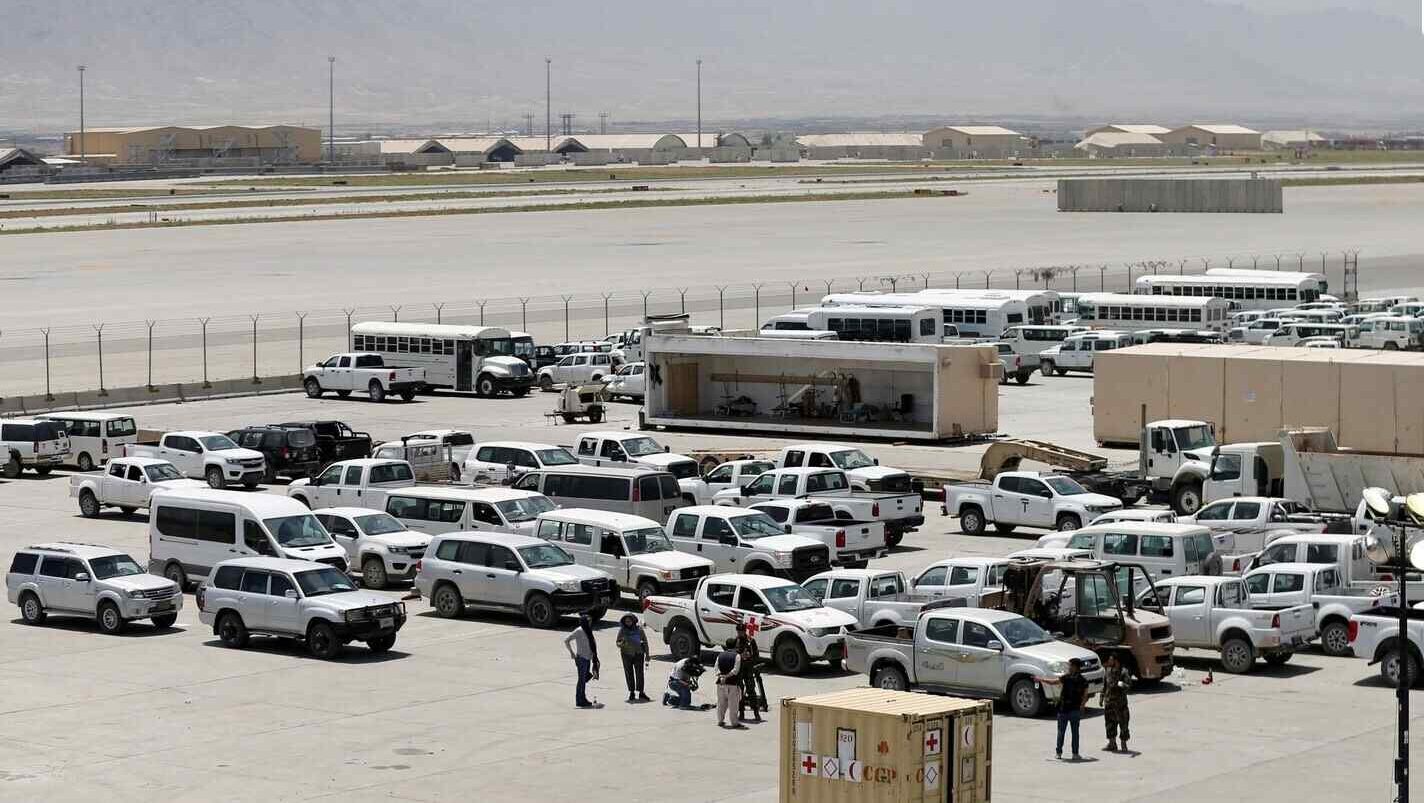
What makes Bagram so critical? More than just a former US military base, Bagram is a symbol of American engagement in Afghanistan. Located less than an hour from Kabul and near the borders of China and Pakistan, its runways once hosted the might of the US Air Force, with over 100,000 troops passing through at the height of the war. The base’s facilities—including hardened shelters, fuel depots, hospitals, and even familiar American fast-food chains—transformed it into a self-sustaining hub for military and logistical operations. According to Economic Times, Bagram’s infrastructure surpasses that of many international airports, and its massive prison complex once housed detainees captured in the US-led war against the Taliban and Al Qaeda.
But the base’s importance isn’t just historical. Trump has repeatedly pointed to its proximity to China’s Xinjiang province, where Beijing maintains sensitive military and nuclear sites. “It’s an hour away from where China makes its nuclear weapons,” Trump told reporters, underscoring his administration’s concerns about rising Chinese influence in the region. For Trump and his supporters, regaining Bagram would serve as a bulwark against both terrorism and the encroachment of rival superpowers.
The Taliban Response: Defiance and National Sovereignty
The Taliban, who took control of Bagram after the US withdrawal in 2021, have been unequivocal in their rejection of Trump’s demands. Chief of Staff of the Armed Forces Fasihuddin Fitrat, speaking on Afghan state television, declared, “Afghanistan is fully independent, governed by its own people, and not dependent on any foreign power.” He warned that any act of hostility would be met with the “strongest” response. The base, now a symbol of Taliban victory, is regularly used to showcase captured American military hardware and to host official visits and military parades.
Taliban officials have also pushed back against US claims about China’s alleged involvement at Bagram. Spokesman Zabihullah Mujahid stated, “They should refrain from making emotional statements based on unsubstantiated information,” according to VOA News. For Afghanistan’s new rulers, the demand to return Bagram is not just a military threat—it is an affront to their sovereignty and a challenge to their legitimacy.
International Ramifications: US, China, and Regional Security
Trump’s renewed focus on Bagram has rippled across the region and beyond. For the United States, the air base represents not just lost infrastructure, but a strategic foothold in Central Asia—a region increasingly shaped by the ambitions of China, Russia, and Iran. The Biden administration’s withdrawal from Afghanistan has been a frequent target of Trump’s criticism, labeled as a “total disaster” that left behind valuable equipment and diminished American influence.
China, for its part, has responded cautiously. Foreign Affairs Ministry spokesperson Lin Jian reiterated that Afghanistan’s future “should be decided by its own people” and emphasized respect for Afghanistan’s independence and territorial integrity. Yet, Trump’s rhetoric linking Bagram to China’s nuclear program hints at a broader contest for dominance in Eurasia. The air base’s location, at a crossroads of Iran, Pakistan, China’s Xinjiang province, and Central Asia, is not lost on any of the regional powers.
What’s more, the uncertainty around US intentions has forced other players to reevaluate their positions. The UK’s Prime Minister Keir Starmer was reportedly taken aback when Trump publicly floated the idea of retaking Bagram during a joint press conference. The possibility of renewed US military operations—even if currently only rhetorical—injects fresh volatility into an already fragile region.
Symbolism, Security, and the Shadow of the Past
Bagram Air Base has always been more than just a patch of concrete and steel. For two decades, it was the nerve center of America’s longest war—a place where strategies were forged, alliances tested, and lives changed forever. Its abrupt abandonment in July 2021 was a turning point, signaling the end of direct US involvement and the start of an uncertain chapter for Afghanistan.
Now, as Trump demands its return, Bagram once again becomes a flashpoint. To his supporters, reclaiming the base would be a restoration of lost honor and a reassertion of American power. To the Taliban, it is a line in the sand—a test of their sovereignty and a reminder of their hard-fought victory. For ordinary Afghans, the renewed focus on Bagram brings back memories of conflict and raises new questions about their country’s future.
The world is watching, wary of the potential for miscalculation. The threat of “bad things” remains undefined but hangs over diplomatic discussions like a gathering storm. In the chess game of global power, Bagram is once again a square of immense consequence.
Trump’s ultimatum over Bagram Air Base is more than a dispute over territory; it’s a reflection of deeper anxieties about shifting power, unfinished wars, and the enduring scars of intervention. As the rhetoric intensifies, the world is left to wonder whether Bagram will become a bridge to dialogue or the spark for another round of confrontation—its fate now a barometer for the region’s fragile stability.