
Quick Read
- President Trump signed an executive order to address homelessness on July 25, 2025.
- The order prioritizes treatment facilities over housing-first policies.
- It includes controversial measures like involuntary civil commitment.
- Critics warn it criminalizes homelessness and undermines evidence-based solutions.
On Thursday, July 25, 2025, President Donald Trump signed a sweeping executive order aimed at reshaping the U.S. approach to homelessness. The order introduces significant policy changes, including making it easier for states and municipalities to remove homeless encampments and redirect affected individuals into treatment facilities. While proponents argue that the move will restore order to urban centers, critics warn that it risks criminalizing homelessness and ignoring evidence-based solutions.
Key Provisions of the Executive Order
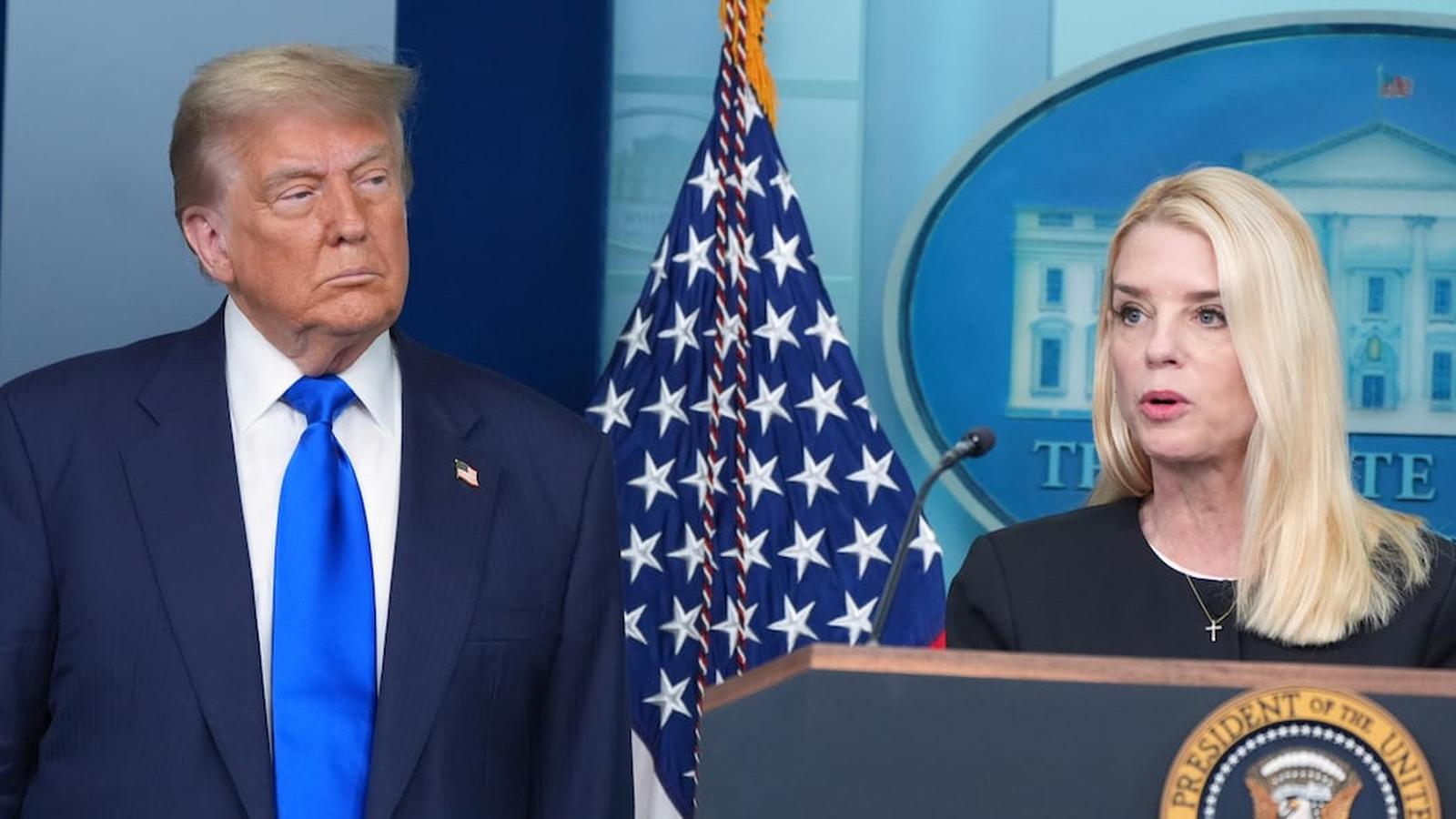
The executive order, signed at the White House, directs Attorney General Pam Bondi to reverse rules and judicial precedents that have restricted municipalities from relocating homeless individuals. It also mandates collaboration with Health and Human Services Secretary Robert F. Kennedy, Housing and Urban Development Secretary Scott Turner, and Transportation Secretary Sean Duffy to reallocate federal resources toward rehabilitation and substance abuse treatment facilities. According to WFYI, the order explicitly prioritizes funding for programs that enforce bans on urban camping, loitering, and illegal drug use.
Additionally, the policy emphasizes involuntary civil commitment for individuals deemed a danger to themselves or others. This controversial measure allows for the institutionalization of individuals without their consent, a practice historically criticized for disproportionately affecting vulnerable populations, including people of color, LGBTQ+ individuals, and those with disabilities, as noted by Axios.
Criticism and Concerns
The executive order has sparked significant backlash from advocacy groups and policy experts. Critics argue that it represents a punitive approach rather than addressing the root causes of homelessness, such as a lack of affordable housing. Jesse Rabinowitz from the National Homelessness Law Center stated, “This executive order is forcing people to choose between compassionate, data-driven approaches like housing or treating it like a crime to have a mental illness or be homeless.”
Organizations like the National Alliance to End Homelessness and the National Coalition for the Homeless have also condemned the order. They emphasize that mass institutionalization and criminalization will not resolve homelessness but could instead exacerbate the challenges faced by vulnerable individuals. Donald Whitehead, Jr., Executive Director of the National Coalition for the Homeless, noted that the policy undermines decades of progress in evidence-based housing-first strategies, which prioritize stable housing as a precursor to treatment and recovery.
Moreover, the executive order calls for defunding harm reduction programs, such as those providing clean needles to prevent drug overdoses. Addiction experts, including those at the Centers for Disease Control and Prevention, have long advocated for these programs, arguing they are essential to reducing mortality rates among people with substance use disorders. The Trump administration’s stance, however, labels these programs as enablers of drug use—a claim contradicted by years of research, according to Housing Finance.
The Broader Context
This executive order follows a June 2025 Supreme Court decision that upheld an Oregon city’s anti-camping ordinance, allowing municipalities to penalize homeless individuals for sleeping outdoors. The ruling has emboldened over 100 cities across the U.S. to adopt stricter anti-camping laws, a trend that the Trump administration’s policy further incentivizes by tying federal funding to enforcement measures, reports CNN.
Homelessness in the United States has reached record levels, with over 770,000 individuals reported as homeless in 2024—an 18% increase from the previous year. Advocates point to a severe shortage of affordable housing as a primary driver of this crisis. However, conservative groups like the Cicero Institute argue that housing-first strategies have failed to address underlying issues such as addiction and mental illness. Devon Kurtz of the Cicero Institute praised the executive order, stating, “This is really that crucial safety net to make sure that [homeless people] don’t continue to fall through the cracks and die on the street.”
Historical and Legal Implications
Civil commitment, a central element of the executive order, has a controversial history in the U.S. Before the 1960s, individuals with mental health issues were often institutionalized without adequate legal oversight. While modern laws require due process, critics argue that involuntary commitment still disproportionately affects marginalized groups. According to a 2022 report from the American Psychiatric Association, Black and multiracial individuals are more likely to be subjected to involuntary psychiatric hospitalization than their white counterparts.
The order’s emphasis on institutionalization and criminalization reflects a shift from bipartisan support for housing-first policies that dominated U.S. homelessness strategies for two decades. As noted by Axios, this marks a significant departure from evidence-based practices that prioritize stable housing as the foundation for addressing mental health and addiction issues.
As the debate over this executive order unfolds, its long-term impact on homelessness and public safety remains uncertain. What is clear, however, is that the policy represents a dramatic shift in how the U.S. government approaches one of its most pressing social issues.