
Quick Read
- President Trump announced the deployment of 10 F-35 fighter jets to Puerto Rico on September 6, 2025.
- The move follows heightened tensions with Venezuela over drug trafficking and military provocations near U.S. naval ships.
- The U.S. claims Venezuelan gangs, including Tren de Aragua, are using the country as a hub for drug trafficking.
- Venezuelan President Maduro has rejected U.S. allegations and accused Washington of seeking regime change.
- Trump has increased the reward for Maduro’s arrest to $50 million amidst these tensions.
In a significant escalation of U.S. military presence in the Caribbean, President Donald Trump announced the deployment of 10 F-35 fighter jets to Puerto Rico. This move comes amidst growing tensions between the United States and Venezuela over alleged drug trafficking and provocative military actions near U.S. naval ships. The announcement, made on September 6, 2025, reflects the administration’s intensified efforts to curb the flow of narcotics into the U.S. and address what it sees as threats from the Venezuelan government.
Military Build-Up in Puerto Rico
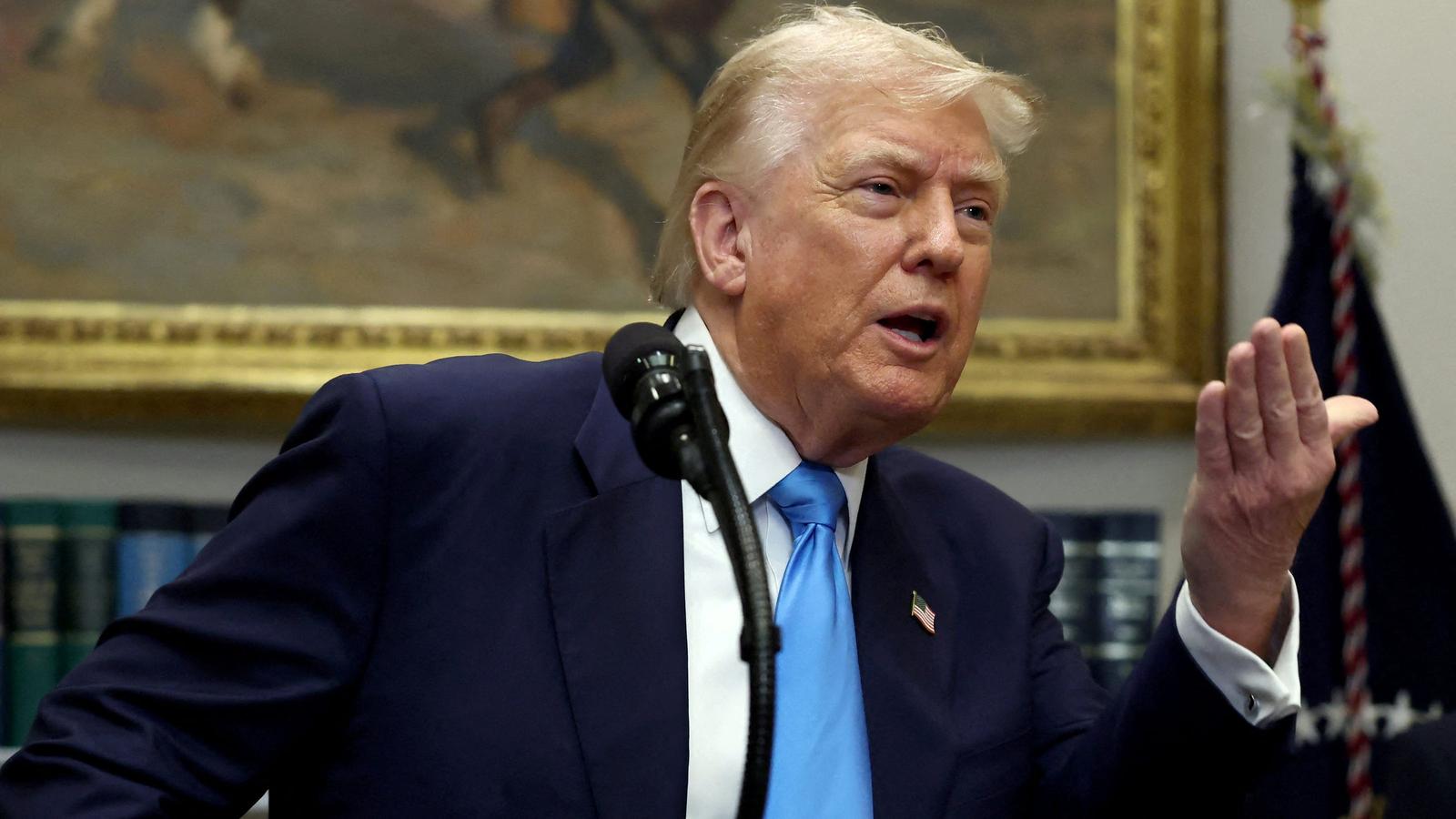
The decision to station advanced F-35 fighter jets in Puerto Rico underscores the strategic importance of the region in countering drug trafficking networks. According to SSBCrack News, the deployment is part of a broader initiative that includes increased naval patrols and the dispatch of thousands of marines and sailors to the southern Caribbean. Trump, speaking from the Oval Office, emphasized the necessity of these actions, stating, “We’re strong on drugs. We don’t want drugs killing our people.”
This military build-up follows a series of incidents involving Venezuelan military aircraft approaching U.S. naval vessels off the South American coast. U.S. officials have characterized these encounters as provocative, particularly in light of a recent U.S. strike on a Venezuelan vessel suspected of drug trafficking, which resulted in 11 fatalities.
Tensions with Venezuela Escalate
Relations between the U.S. and Venezuela have been strained for years, but the recent developments mark a new low. Venezuelan President Nicolás Maduro has rejected U.S. allegations of drug trafficking and military provocations, accusing Washington of seeking “regime change through military threat.” In response, Trump has doubled down on his criticism of Maduro, whom he has described as “one of the largest narco-traffickers in the world.”
As reported by Nile Post, Trump has also increased the reward for information leading to Maduro’s arrest to $50 million. This follows longstanding U.S. accusations against Maduro and other Venezuelan officials for narco-terrorism and corruption. Despite these tensions, Maduro has expressed a willingness to engage in dialogue, provided there is mutual respect, a stance he reiterated on the same day Trump’s remarks were made.
The Role of Tren de Aragua and Drug Trafficking
At the heart of this escalating conflict is the U.S. government’s claim that Venezuela serves as a hub for drug trafficking operations, particularly those linked to the Tren de Aragua gang. Classified as a terrorist organization by the U.S., this gang is accused of operating within Venezuelan borders and facilitating the flow of narcotics into the United States. Trump has cited these activities as a primary justification for the increased military presence in the region.
According to Daily Kos, the deployment of F-35 jets is intended not only to deter Venezuelan military provocations but also to disrupt these illicit networks. The advanced capabilities of the F-35, including its stealth and precision strike features, make it a critical asset in the administration’s anti-drug trafficking strategy.
International and Domestic Implications
The deployment of U.S. military assets to Puerto Rico has sparked a range of reactions both domestically and internationally. Critics argue that the military build-up risks escalating tensions into a broader conflict, while supporters view it as a necessary step to protect U.S. interests and combat the drug trade. The Venezuelan government, for its part, has condemned the actions as an infringement on its sovereignty and an act of aggression.
Domestically, the move also highlights Puerto Rico’s strategic importance to U.S. national security. The island, often overlooked in broader geopolitical discussions, has become a focal point in the Trump administration’s efforts to address challenges in Latin America. This has renewed debates over Puerto Rico’s status and its role within the U.S. defense strategy.
As the situation continues to unfold, the deployment of F-35 fighter jets to Puerto Rico symbolizes a significant escalation in U.S. military efforts in the Caribbean. Whether this will lead to a resolution of tensions with Venezuela or further destabilize the region remains to be seen.