
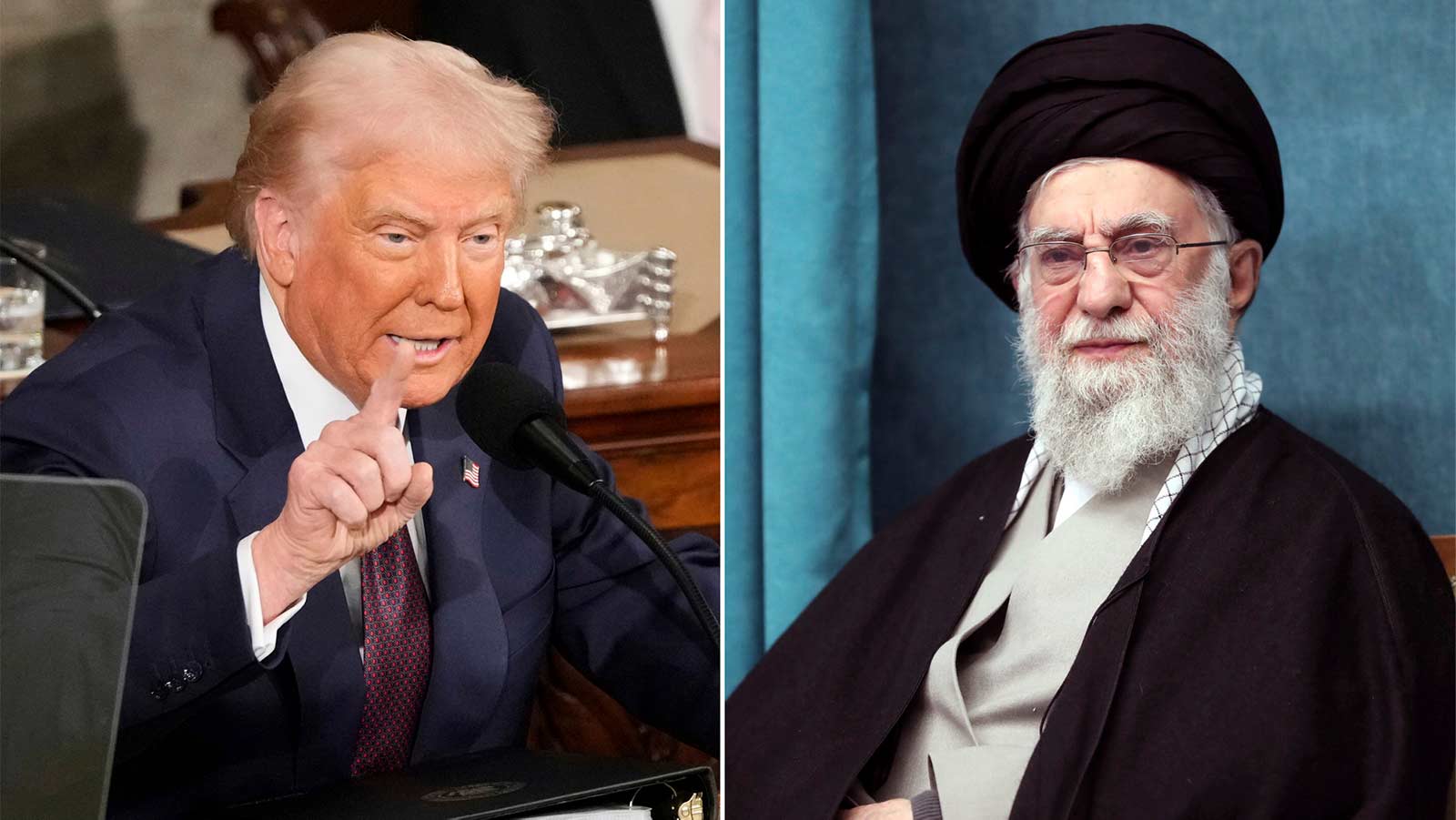
- President Donald Trump threatened sanctions on buyers of Iranian oil.
- The warning follows the postponement of US-Iran nuclear talks in Oman.
- Trump’s move could escalate tensions with China, Iran’s largest oil buyer.
- Iran remains committed to a negotiated nuclear deal despite delays.
- US-Iran talks aim to limit Iran’s nuclear program in exchange for sanctions relief.
Trump’s Warning Targets Iranian Oil Buyers
President Donald Trump issued a stern warning on Thursday, threatening sanctions on any country or individual purchasing Iranian oil or petrochemical products. In a post on Truth Social, Trump declared, “All purchases of Iranian Oil, or Petrochemical products, must stop, NOW! Any country or person who buys those products from Iran will not be able to do business with the United States in any way, shape, or form.”
This announcement follows the postponement of planned US-Iran nuclear talks, initially scheduled to take place in Oman. The talks aim to address Tehran’s advancing nuclear program and potentially lift some of the economic sanctions imposed on Iran.
Postponed Nuclear Talks in Oman
The nuclear negotiations, mediated by Omani Foreign Minister Badr al-Busaidi, were postponed due to logistical reasons. Al-Busaidi announced on the social platform X, “For logistical reasons we are rescheduling the US Iran meeting provisionally planned for Saturday, May 3rd. New dates will be announced when mutually agreed.”
Iranian Foreign Minister Abbas Araghchi echoed this sentiment, stating that Iran remains committed to achieving a “just and balanced deal” that guarantees the peaceful nature of its nuclear program while ensuring the lifting of sanctions. The talks, if resumed, would mark the fourth round of negotiations aimed at limiting Iran’s nuclear capabilities in exchange for economic relief.
China’s Role and Potential Fallout
Trump’s threat of secondary sanctions could further strain relations with China, Iran’s largest oil buyer. According to the US Energy Information Administration, China imported nearly 90% of Iran’s crude oil and condensate exports in 2023. The move risks escalating tensions between the US and China, which are already fraught due to ongoing trade disputes and tariffs.
China’s reliance on Iranian oil highlights the broader implications of Trump’s sanctions threat, as it could disrupt global oil markets and diplomatic relations.
US-Iran Tensions and Regional Implications
The postponed talks come amid heightened tensions in the Middle East. The US continues its “Operation Rough Rider” airstrike campaign targeting Iranian-backed Houthi rebels in Yemen. US Defense Secretary Pete Hegseth issued a warning to Iran, stating, “We see your LETHAL support to The Houthis. We know exactly what you are doing. You will pay the CONSEQUENCE at the time and place of our choosing.”
Meanwhile, the ongoing Israel-Hamas conflict in Gaza adds another layer of complexity to the region’s stability. The US has also warned Iran against pursuing nuclear weapons, with officials suggesting military action as a potential response if negotiations fail.
Historical Context and Future Prospects
Iran’s nuclear program has been a point of contention for decades. The 2015 nuclear deal, known as the Joint Comprehensive Plan of Action (JCPOA), initially limited Iran’s nuclear activities in exchange for sanctions relief. However, Trump’s unilateral withdrawal from the agreement in 2018 reignited tensions, leading to a series of attacks and escalations.
As the US and Iran navigate these complex negotiations, the stakes remain high. Both sides have expressed a willingness to reach a deal, but mutual distrust and external pressures continue to pose significant challenges.
The next steps in the US-Iran talks will likely depend on resolving logistical issues and finding common ground on key points of contention. Until then, the threat of sanctions and the potential for further escalation loom large.
Source: Associated Press, US Energy Information Administration