
Quick Read
- President Trump issued a 48-hour ultimatum to Iran demanding a peace deal and the reopening of the Strait of Hormuz.
- The demand followed the successful military rescue of a US F-15E weapons systems officer downed in Iranian territory.
- Truth Social has become the primary communications hub for the administration’s wartime command and control strategy.
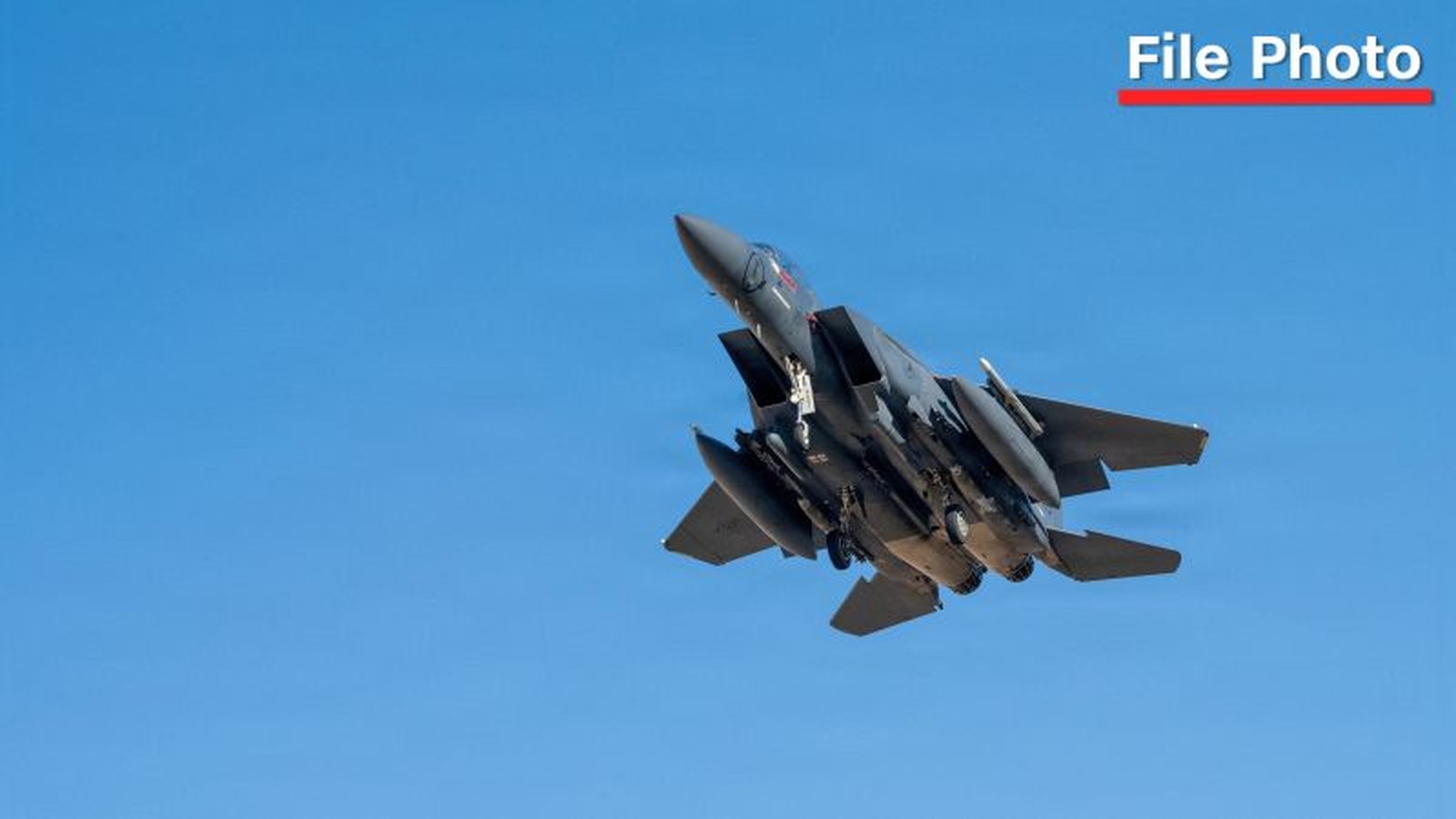
WASHINGTON (Azat TV) – President Donald Trump has issued a stark 48-hour ultimatum to the Iranian government, warning that “all hell will reign down” on the nation if it fails to reopen the Strait of Hormuz and agree to a peace settlement. This declaration follows the high-stakes rescue of a US weapons systems officer who had been stranded in the mountains of Iran after his F-15E Strike Eagle was shot down on Friday.
Truth Social as Command and Control
The President utilized his Truth Social platform to announce the successful extraction of the crew member, signaling a shift in how the White House is managing military communications during the ongoing conflict. Trump confirmed the rescue early Sunday, stating, “WE GOT HIM! At my direction, the U.S. Military sent dozens of aircraft, armed with the most lethal weapons in the World, to retrieve him.” The officer, who reportedly sustained injuries during the crash and subsequent evasion, is currently receiving medical care. By bypassing traditional press channels to broadcast operational updates and threats directly to the public, the administration has effectively repurposed the social media platform as a primary tool for wartime messaging.
The 48-Hour Ultimatum and Regional Stakes
The ultimatum, which expires in two days, demands an immediate cessation of hostilities and the restoration of navigation through the Strait of Hormuz, a critical maritime chokepoint through which approximately one-fifth of the world’s oil and gas supply flows. Tehran has formally rejected the warning. General Ali Abdollahi Aliabadi, a senior Iranian military official, dismissed the President’s rhetoric as “unbalanced” and countered with his own threats, warning that the region would become a “quagmire” for US forces should the escalation continue. The conflict, which began on February 28, has already resulted in significant damage to energy infrastructure across the Gulf, including facilities in Kuwait and the UAE, following retaliatory missile strikes.
Escalating Military Confrontation
The search-and-rescue mission for the downed airman occurred under intense conditions, with Iranian state media reporting that local citizens had been offered bounties for the capture of the missing personnel. Alongside the F-15 incident, a second US aircraft, an A-10 Thunderbolt II, was reportedly struck by Iranian fire, forcing the pilot to eject over the Gulf before being rescued by allied forces. As the 48-hour window closes, both nations remain locked in a cycle of aerial bombardment and retaliatory threats, with the International Atomic Energy Agency monitoring potential risks to regional nuclear facilities, including the Bushehr plant, which has been the target of multiple strikes.
The direct use of social media to coordinate public perception with military operational objectives marks a volatile shift in crisis management, potentially narrowing the window for diplomatic off-ramps as the rhetoric of “hell” and “total destruction” replaces traditional statecraft.