
Quick Read
- President Trump referred to the Strait of Hormuz as the ‘Strait of Trump,’ claiming it was intentional.
- Iran has agreed to facilitate humanitarian and agricultural aid through the Strait of Hormuz amid ongoing conflict and strikes on its nuclear facilities.
- The blockade of the Strait of Hormuz continues to threaten global oil supplies and food security, with casualties mounting across the region.
WASHINGTON (Azat TV) – U.S. President Donald Trump, amid escalating tensions with Iran and an ongoing conflict, referred to the critical Strait of Hormuz as the “Strait of Trump,” a deliberate misstatement, he claimed, signaling a potentially new layer to diplomatic and military strategies. The assertion came as the United States grappled with rallying international support for its actions against Tehran and the broader implications of Iran’s blockade on global trade routes.
Trump’s Deliberate Slip Sparks Diplomatic Stir
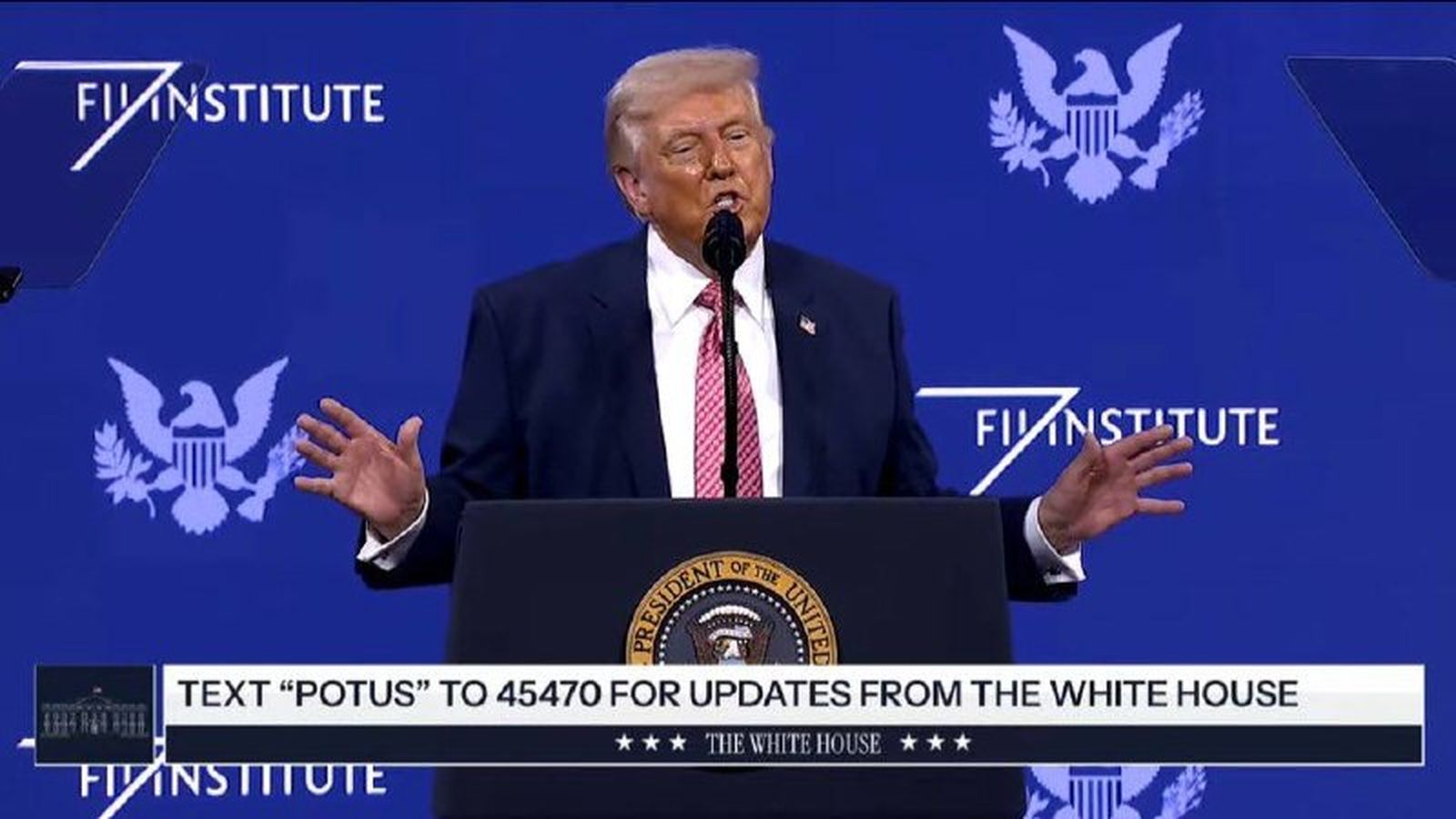
Speaking on Friday, President Trump declared, “They have to open up the Strait of Trump, I mean Hormuz… the fake news will say that I said it accidentally. There are no accidents with me.” This pointed remark, captured and disseminated via social media, immediately drew attention, with analysts suggesting it could be a calculated move to assert personal influence or leverage over the vital waterway, which handles a significant portion of the world’s oil and fertilizer trade. The pronouncement occurred as Secretary of State Marco Rubio expressed concerns about Iran’s actions and the need for a global plan to confront them, indicating the U.S. administration’s push for a unified international response.
Iran Facilitates Aid Amidst Strikes
The situation in the Strait of Hormuz remains a critical flashpoint in the escalating conflict. Iran announced on Friday that it would “facilitate and expedite” humanitarian aid and agricultural shipments through the waterway, following a request from the United Nations. This development, articulated by Iran’s ambassador to the UN in Geneva, Ali Bahreini, comes as Iran itself endures strikes on its nuclear facilities. These attacks, claimed by Israel, have heightened regional tensions, with Iran vowing retaliation. Foreign Minister Abbas Araghchi criticized the strikes as contradictory to President Trump’s extended deadline for diplomacy, underscoring the volatile nature of the ongoing confrontation.
Global Impact of Strait Blockade
The implications of Iran’s control over the Strait of Hormuz extend far beyond the immediate conflict zone. The blockade has led to soaring gas prices and poses a significant threat to global food security, particularly impacting the supply of essential fertilizer ingredients like nitrogen and phosphate. Secretary of State Rubio highlighted these concerns, urging G7 members and Asian countries to contribute to efforts aimed at resolving the crisis. He warned against Iran making its control over the strait permanent, deeming it unacceptable under international law and maritime conventions. The U.S. administration, however, has faced challenges in uniting allies for a robust offensive against Iran, with legal experts questioning the initial strikes.
Military Posturing and Casualties
The conflict has resulted in significant casualties across the region. Iranian Deputy Health Minister Ali Jafarian reported over 1,900 deaths in Iran since the war began. Israel has reported 18 deaths, with three Israeli soldiers killed in Lebanon. The United States has also sustained losses, with 13 troops killed and 303 wounded, though many have returned to duty. Thousands of U.S. troops are en route to the region, with Secretary Rubio stating that objectives can be met without ground troops, though their presence offers President Trump “maximum optionality.” Israel, meanwhile, has warned of expanding its attacks within Iran if missile fire towards its civilians continues.
President Trump’s ‘Strait of Trump’ remark, coupled with Iran’s agreement to facilitate aid and Israel’s escalating strikes, paints a complex picture of the conflict. The deliberate misnaming of the Strait of Hormuz may signal a shift in U.S. rhetoric, potentially indicating a move towards more assertive, personalized diplomacy or leverage in resolving the crisis, even as the human and economic costs continue to mount.