

Quick Read
- Donald Trump declared his relationship with Elon Musk ‘over’ on Saturday.
- The feud stems from Musk’s criticism of Trump’s policies and personal insults.
- Republicans express concerns over its impact on legislation and Tesla’s market performance.
- Trump warned Musk of ‘serious consequences’ if he supports Democrats in 2026.
The simmering feud between $1 Donald Trump and billionaire entrepreneur Elon Musk reached new heights on Saturday, with Trump explicitly stating that he has no intention of reconciling with the Tesla and SpaceX CEO. In a phone interview with NBC’s Kristen Welker, Trump remarked, “I would assume so,” when asked if their relationship was over, further escalating tensions that have already caused ripples across political and economic spheres.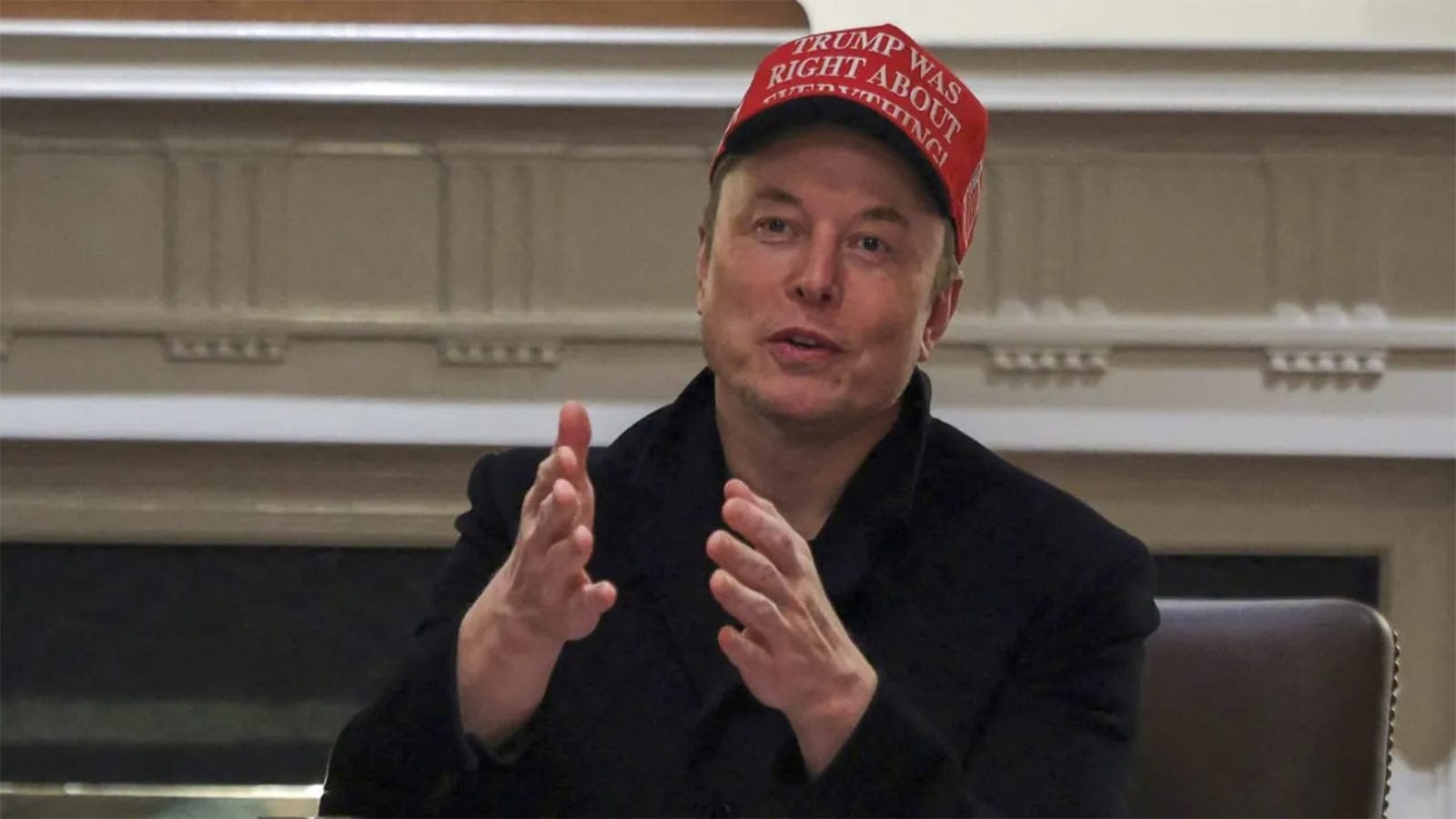
The roots of the Trump-Musk fallout
The clash between these two influential figures has been brewing since early 2024, when Musk publicly criticized Trump’s signature “One Big Beautiful Bill” for its excessive government spending. The disagreements quickly turned personal, as Musk suggested—without evidence—that Trump’s name appeared in unreleased files related to late financier Jeffrey Epstein. Trump vehemently denied the allegations, with the White House condemning Musk’s claims as baseless.
The feud took a sharper turn in May 2024, when Musk resigned from his role as head of Trump’s Department of Government Efficiency (DOGE), citing differences over fiscal priorities. Musk’s departure marked the end of a previously cooperative relationship that had seen the billionaire support Trump’s presidential campaign and policies during the earlier part of the administration.
Consequences for business and politics
The fallout has already begun to affect Musk’s businesses. According to Morgan Stanley, Tesla’s U.S. sales have dipped significantly in 2025, with some analysts attributing the decline to customers distancing themselves from Musk’s involvement in political controversies. Tesla’s stock, which had once soared during Trump’s presidency, has lost roughly a quarter of its value this year, pushing the company out of the $1 trillion market cap club.
Meanwhile, Republicans have expressed concerns about the feud’s potential to derail critical legislation. Trump’s proposed tax and border spending bill, a cornerstone of his policy agenda, has faced significant opposition from Musk. Some lawmakers worry that the ongoing dispute could complicate efforts to rally support for the bill. Representative Dan Newhouse of Washington remarked, “I hope it doesn’t distract us from getting the job done that we need to.”
Trump’s stern warning to Musk
During Saturday’s interview, Trump issued a stark warning to Musk amid speculation that the billionaire might lend support to Democratic candidates in the 2026 midterm elections. “If he does, he’ll have to pay the consequences for that,” Trump said, without elaborating on what those consequences might entail. The remarks signal a clear shift in Trump’s stance, as he once praised Musk as a “visionary” and “the first buddy” of his administration.
Vice President J.D. Vance attempted to downplay the feud during a Friday interview, calling Musk’s criticism a “huge mistake” but attributing it to the CEO’s emotional nature. “I hope that eventually Elon comes back into the fold. Maybe that’s not possible now because he’s gone so nuclear,” Vance stated.
Calls for reconciliation
Despite the escalating rhetoric, some prominent Republicans are urging the two men to mend fences. Senator Ted Cruz of Texas expressed optimism, saying, “I hope that both of them come back together because when the two of them are working together, we’ll get a lot more done for America than when they’re at cross purposes.” Similarly, House Speaker Mike Johnson emphasized the importance of unity, stating, “It’s good for the party and the country if all that’s worked out.”
However, others have adopted a more cautious approach. Johnson warned Musk against underestimating Trump, describing the $1 as “the most consequential political figure of this generation.”
Wider implications for Musk and Tesla
Musk’s involvement in political controversies has not only affected his relationship with Trump but also damaged his reputation in other parts of the world. According to YouGov, 71% of people in the UK and Germany hold a negative view of Musk, with many questioning his understanding of national issues. His endorsement of far-right political parties in Europe has further alienated some of his supporters.
Back in the U.S., Musk faces mounting legal and financial challenges. A Delaware judge recently rejected his claim to a $56 billion Tesla pay package, describing the sum as “unfathomable” and accusing Musk of influencing the company’s board. The decision marks a significant blow to Musk, whose wealth—estimated at $335 billion by Bloomberg—is heavily tied to Tesla’s stock performance.
As the feud with Trump continues, the billionaire’s businesses and public image may face further scrutiny. Whether the two influential figures will eventually reconcile or remain at odds could shape not only their futures but also the broader political and economic landscape.
While the path to reconciliation appears unlikely, the unfolding feud between Donald Trump and Elon Musk underscores the complex interplay of politics, business, and personal rivalry. As both men navigate their next moves, the implications for their respective domains—and the people they influence—remain significant.