
Quick Read
- President Trump stated he has no plans to fire Federal Reserve Chair Jerome Powell.
- Trump’s comments follow public criticism of Powell’s interest rate policies.
- The Federal Reserve’s independence remains a key concern for economists.
- Markets rebounded after Trump’s softened stance on Powell.
Trump Eases Concerns Over Federal Reserve Leadership
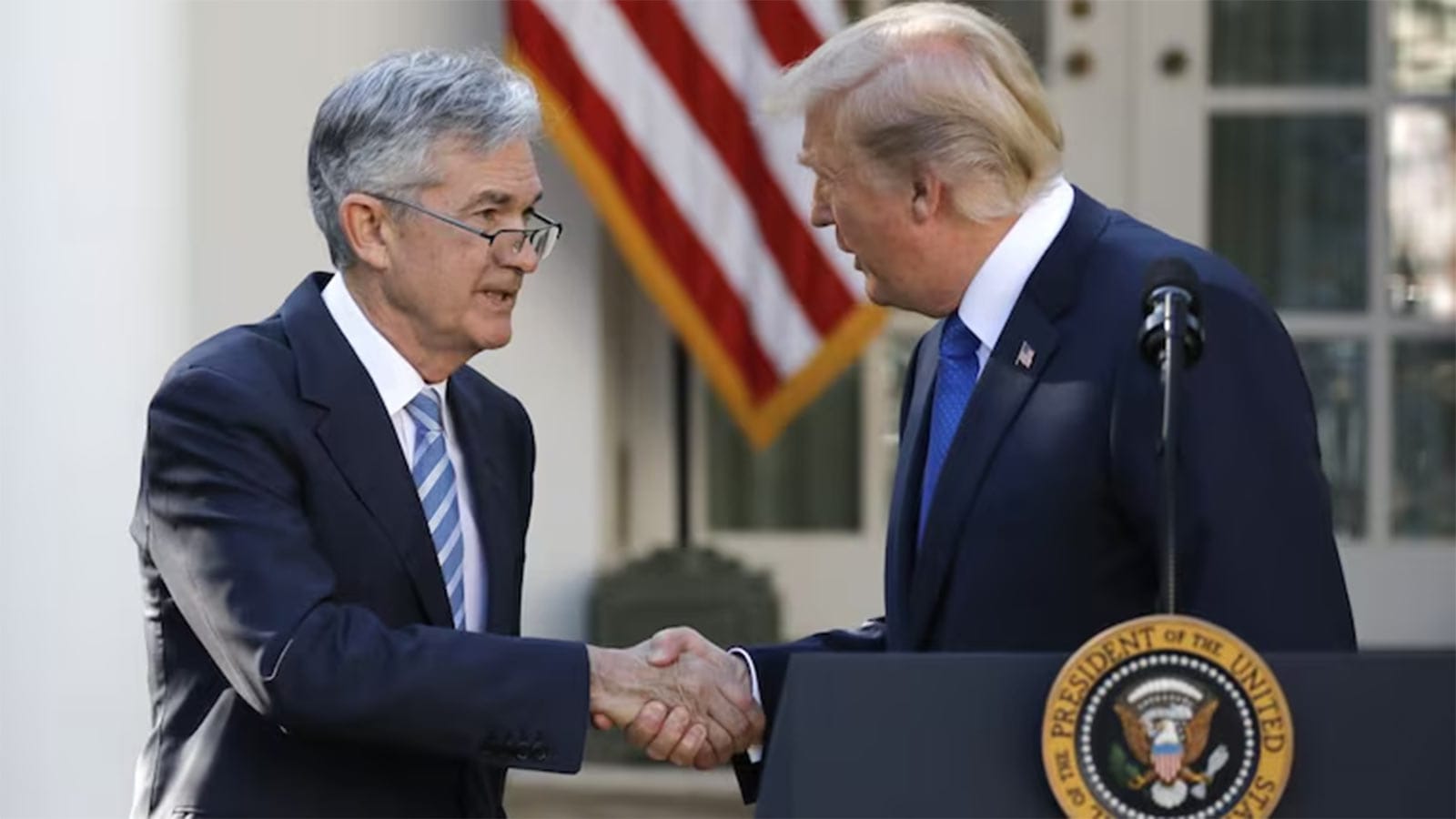
President Donald Trump announced on Tuesday that he has no intention of firing Federal Reserve Chair Jerome Powell, a statement that has temporarily calmed market anxieties. This declaration follows a series of public criticisms by Trump regarding Powell’s handling of interest rate policies, which the president believes should be lowered more aggressively to stimulate economic growth.
Context Behind Trump’s Criticism
Trump’s dissatisfaction with Powell stems from the Federal Reserve’s decision to maintain steady interest rates after a period of gradual reductions. The president has argued that lower interest rates would encourage borrowing and investment, boosting economic growth. However, Powell and the Federal Reserve have expressed caution, citing concerns over inflation and economic uncertainty.
In recent weeks, Trump referred to Powell as a “major loser” and criticized him on social media for being “too late and wrong” in implementing rate cuts. Despite these harsh words, Trump clarified in an Oval Office interview that he has never seriously considered firing Powell, stating, “The press runs away with things.”
Legal and Institutional Implications
The question of whether a U.S. president can legally dismiss a Federal Reserve chair remains unresolved. The Federal Reserve Act of 1913 stipulates that board members, including the chair, can only be removed “for cause,” a term generally interpreted to mean misconduct rather than policy disagreements. Legal experts suggest that any attempt to remove Powell could lead to a protracted court battle, potentially reaching the Supreme Court.
Powell himself has stated that he would not resign if asked to do so by the president. His term as chair is set to expire in May 2026, following his reappointment by President Joe Biden. The independence of the Federal Reserve, a cornerstone of its credibility, has become a focal point in this debate. Economists warn that undermining this independence could lead to higher inflation and slower economic growth, as seen in countries with politically influenced central banks.
Market Reactions
Financial markets reacted positively to Trump’s reassurances. Stocks, which had slumped earlier in the week amid fears of upheaval at the Federal Reserve, rebounded following the president’s comments. The U.S. dollar also strengthened, while gold prices fell by over 2%, reflecting reduced demand for safe-haven assets.
Kelvin Wong, a senior market analyst at OANDA, noted, “The softened stance toward Powell has alleviated immediate concerns, but the underlying tensions between the White House and the Federal Reserve could resurface.”
Broader Economic Implications
Trump’s push for lower interest rates is part of his broader economic strategy, which includes reducing tariffs on Chinese imports as part of a potential trade deal. Lower rates could make borrowing cheaper for businesses and consumers, potentially boosting spending and investment. However, they also carry the risk of fueling inflation, which remains above the Federal Reserve’s 2% target despite declining from its 2022 peak.
Powell has emphasized the need for caution, citing uncertainties such as the impact of Trump’s tariffs and global economic conditions. The Federal Reserve’s decisions on interest rates are closely watched, as they influence everything from mortgage rates to corporate borrowing costs.
Looking Ahead
While Trump’s latest comments have provided temporary relief to markets, the underlying tensions between the White House and the Federal Reserve are unlikely to dissipate entirely. The president’s continued advocacy for aggressive rate cuts suggests that the debate over monetary policy will remain a contentious issue.
For now, Powell’s position appears secure, but the broader question of the Federal Reserve’s independence and its role in shaping U.S. economic policy will likely remain a topic of significant discussion in the months ahead.