
Quick Read
- Trump-Putin peace summit plans have stalled as Russia launches fresh attacks on Ukraine.
- U.S. Treasury Secretary announced imminent, expanded sanctions against Russia.
- Ukrainian and European leaders doubt Russia’s readiness for real peace talks.
- Domestic political debates intensify as government shutdown reaches day 22.
- Global tensions rise with North Korea missile tests and shifting alliances.
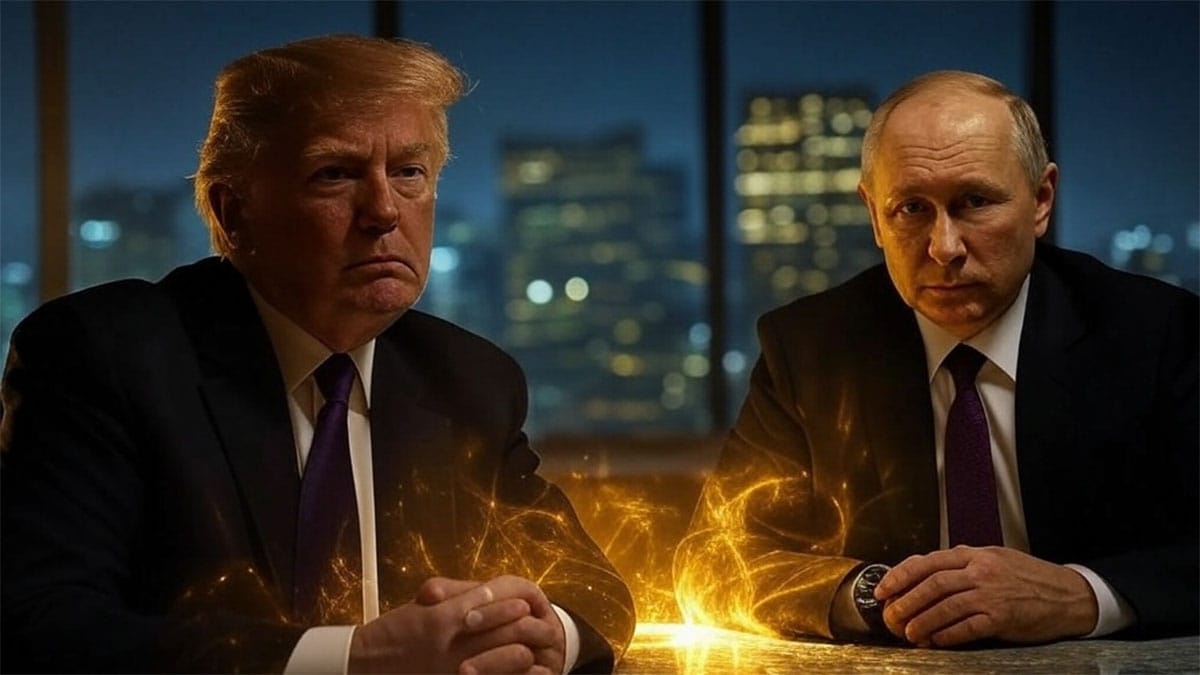
Trump-Putin Summit Paused as Kremlin Renews Attacks on Ukraine
Just hours after President Donald Trump announced that peace talks with Russian President Vladimir Putin would be put on hold, the Kremlin unleashed a wave of deadly overnight strikes across Ukraine. At least six people were killed in Kyiv and other cities, according to Ukrainian officials. The timing was impossible to ignore: the pause in diplomatic engagement coincided almost instantly with a dramatic escalation in violence.
Trump had previously indicated that a summit in Budapest was in the works, but White House officials confirmed yesterday that the meeting is now off the table. The rationale, sources say, is rooted in concerns that Putin was merely using the prospect of negotiations to buy time, rather than move toward an actual settlement. “Neither president wants to waste time,” a Kremlin spokesperson commented, emphasizing that any future meeting would require much more preparation.
Ukrainian leaders, meanwhile, interpreted the strikes as evidence that Moscow is not ready for peace. The attacks have fueled further skepticism in Kyiv and among European allies about Russia’s willingness to engage in meaningful dialogue. As the dust settles, the path toward de-escalation appears more uncertain than ever.
U.S. Announces Largest Sanctions Package Yet Against Russia
In response to the renewed violence, the Biden administration is ramping up pressure on Moscow. Treasury Secretary Scott Bessent told reporters that the U.S. will announce what he called “one of the largest sanctions we’ve done against the Russian federation.” The announcement is expected either late this afternoon or early tomorrow morning.
This move comes after weeks of lobbying from Ukrainian President Volodymyr Zelenskyy, European governments, and bipartisan voices in Congress, all urging Washington to intensify punitive measures against Russia. The new sanctions are likely to target key sectors of the Russian economy and high-profile individuals within Putin’s inner circle.
Sanctions have become a central tool in the West’s response to the ongoing conflict, but their effectiveness remains a matter of debate. While they have isolated Russia financially, they have not yet forced a change in the Kremlin’s military strategy. The latest package is intended to raise the stakes further, signaling that diplomatic delays will not mean diminished consequences. Reuters reports that European officials are coordinating closely with the U.S. to ensure unified implementation.
Global Reactions: Diplomatic Strains and Shifting Alliances
International reactions to the summit delay and Russia’s renewed aggression have been swift and varied. In Israel, Vice President JD Vance met with Prime Minister Benjamin Netanyahu, reaffirming the U.S.-Israel partnership and discussing next steps for the Gaza ceasefire. The backdrop of rising tensions in Eastern Europe added gravity to their talks.
Netanyahu, speaking at a joint news conference, praised the relationship with the United States as “a partnership like never before,” noting the critical role of American support amid ongoing regional instability. Vance echoed the sentiment, emphasizing the importance of collaboration in dismantling threats and rebuilding war-torn areas.
Meanwhile, North Korea conducted its first ballistic missile tests in five months, days before Trump’s planned visit to South Korea. The launches served as a stark reminder that global security challenges are not confined to Europe. The interconnected nature of these crises is shaping Washington’s foreign policy priorities in unpredictable ways.
Domestic Fallout: Political Debates Intensify in Washington
Back in Washington, the summit delay has fueled heated debates on Capitol Hill. Democrats and Republicans alike are wrestling with the implications for U.S. strategy, both abroad and at home. The government shutdown has reached its 22nd day, making it the second longest in history, and pressure is mounting on Trump to take a more active role in resolving the impasse.
Senator Jeff Merkley, D-Ore., delivered a marathon floor speech exceeding 16 hours, warning of what he described as the Trump administration’s “authoritarian grip.” His remarks underscored broader anxieties about executive overreach and the state of American democracy.
Other lawmakers, including Senator John Cornyn, R-Texas, have focused on the intersection of foreign and domestic policy. Cornyn cautioned that Senate confirmation of Pentagon nominees could be slowed if Defense Secretary Pete Hegseth continues to restrict staff communications with Congress—a move seen as limiting oversight during a time of heightened global risk.
What’s Next for Trump-Putin Relations?
The future of Trump-Putin diplomacy hangs in the balance. While both sides claim to want substantive talks, the conditions for a successful summit remain elusive. Trust is thin, and the escalating violence in Ukraine has made compromise more difficult to imagine.
Observers note that the situation is fluid. Kremlin officials have not ruled out future engagement, but emphasize that groundwork must be laid. For Trump, the challenge is to navigate a landscape where diplomatic gestures can be easily misinterpreted—or exploited—by adversaries.
As the world watches, the stakes are high. The outcome of these negotiations could shape not only the fate of Ukraine, but the broader contours of global security for years to come.
The delay of the Trump-Putin summit, set against the backdrop of fresh Russian strikes and mounting international pressure, highlights the fragility of high-stakes diplomacy in times of conflict. The rapid escalation and the subsequent pivot to harsher sanctions reflect a global environment where trust is scarce and every pause in negotiation risks further violence. In this climate, both leaders must weigh immediate actions against long-term consequences, knowing that each decision reverberates far beyond their own borders.