
Quick Read
- The Trump administration revoked the security clearances of 37 officials, citing politicization of intelligence.
- Critics argue the move weaponizes a bureaucratic process, violating constitutional protections.
- The revocations have economic and workforce implications for defense contractors and R&D firms.
- International alliances and intelligence-sharing agreements face strain due to these actions.
- Calls for legislative reforms to depoliticize the clearance process are growing louder.
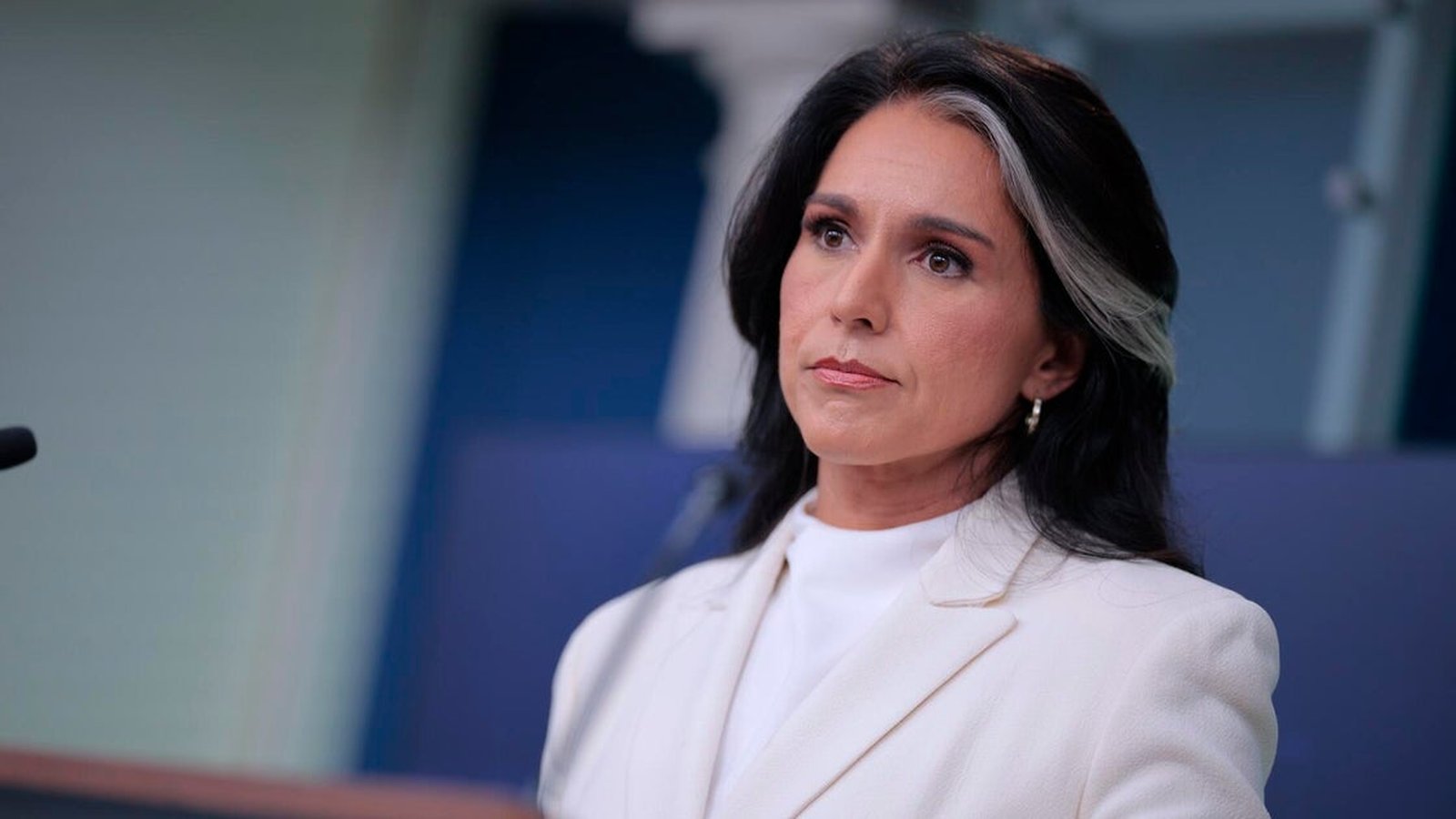
The Trump administration has once again ignited a national debate, this time over its decision to revoke the security clearances of 37 current and former U.S. officials. The move, announced on August 19, 2025, by Director of National Intelligence Tulsi Gabbard, has been framed as a necessary step to safeguard national security. However, critics argue that this act represents a dangerous politicization of a critical bureaucratic process, potentially destabilizing the intelligence community and other sectors reliant on classified information.
The Context Behind the Decision
Director of National Intelligence Tulsi Gabbard revealed the administration’s rationale in a public memo and social media post. According to Gabbard, the targeted individuals were accused of “politicizing and manipulating intelligence,” “leaking classified information,” and failing to adhere to professional tradecraft standards. Among those named were officials who had worked on high-profile assessments, such as the intelligence community’s conclusion that Russia interfered in the 2016 U.S. presidential election to favor Donald Trump.
The revocation list includes figures like Sam Vinograd, a former assistant secretary for counterterrorism, and General Mark Milley, a retired Joint Chiefs of Staff chair. As noted by CBS News, many of the individuals have been vocal critics of the Trump administration, with some signing letters and making public statements that highlighted their concerns about Trump’s policies. Critics, including national security attorney Mark Zaid, contend that the administration’s actions violate constitutional protections and undermine decades-old policies meant to depoliticize security clearance processes.
Implications for National Security and Workforce Stability
Security clearances are not merely bureaucratic credentials; they are essential for government and private-sector professionals involved in sensitive work. Revoking clearances can disrupt careers, delay projects, and destabilize operations in sectors like defense and technology. According to AInvest, the Trump administration has revoked more than 280 clearances since the start of 2025, including 96 Top Secret and 15 SCI-ICD704 tier clearances. These actions have raised concerns among defense contractors and R&D firms, particularly those working on classified projects like hypersonic weapons and AI-driven surveillance systems.
Organizations such as the National Defense Industrial Association (NDIA) warn that this unpredictability could deter investment in high-risk, high-reward research initiatives. The defense sector, which relies on long-term stability for innovation, may face challenges in retaining talent and meeting project deadlines. Investors, too, are recalibrating their strategies, factoring in heightened geopolitical risks and the potential for further politicization of clearance policies.
Political and Legal Ramifications
The revocations have also sparked significant political and legal debates. Critics argue that the actions set a precedent for using security clearances as political weapons, silencing dissent within the intelligence community. The public release of names by Gabbard has led to allegations of Privacy Act violations, with legal experts suggesting that the disclosure may have been unlawful.
Furthermore, as reported by Axios, the revocations are part of a broader narrative pushed by the Trump administration, which has frequently revisited the 2016 election interference findings. By declassifying older documents and questioning the legitimacy of the intelligence community’s assessments, the administration has sought to reshape public perceptions. However, this has come at the cost of eroding trust in institutional objectivity, both domestically and among international allies.
Global and Economic Consequences
The implications of these actions extend beyond U.S. borders. Allies like Australia and Israel have reportedly faced challenges in maintaining intelligence-sharing agreements due to perceived disloyalty among personnel. This erosion of trust could weaken international partnerships, further complicating global security dynamics.
In economic terms, the politicization of security clearances has introduced volatility into markets. Companies heavily reliant on classified contracts, such as Raytheon Technologies and Booz Allen Hamilton, are now subject to increased scrutiny. Investors are applying higher geopolitical risk premiums, diverting funds to less politically exposed sectors. According to AInvest, this trend underscores the need for diversified investments and legislative reforms to restore stability and trust in the clearance process.
The Road Ahead
As the intelligence community grapples with these challenges, calls for reform are growing louder. Proposals like the Security Clearance Review Act aim to depoliticize the process, ensuring that decisions are based on merit rather than political allegiance. Whether such measures will gain traction remains uncertain, particularly in an increasingly polarized political climate.
The revocation of security clearances has become a lightning rod for broader debates about governance, transparency, and the role of dissent in a democratic society. As this issue unfolds, its ramifications will likely continue to shape not only U.S. national security but also its standing on the global stage.