
Quick Read
- U.S. President Donald Trump criticized UK Prime Minister Keir Starmer over delayed permission to use Diego Garcia for Iran strikes.
- Starmer initially refused access citing legal concerns but later authorized it for “specific and limited defensive purposes.”
- Trump withdrew support for Starmer’s Chagos sovereignty arrangement with Mauritius, calling it “a very woke thing.”
- An Iranian drone struck RAF Akrotiri in Cyprus shortly after Starmer’s authorization, with no reported casualties.
- Starmer has not authorized British forces to directly join the US-Israeli offensive against Iran.
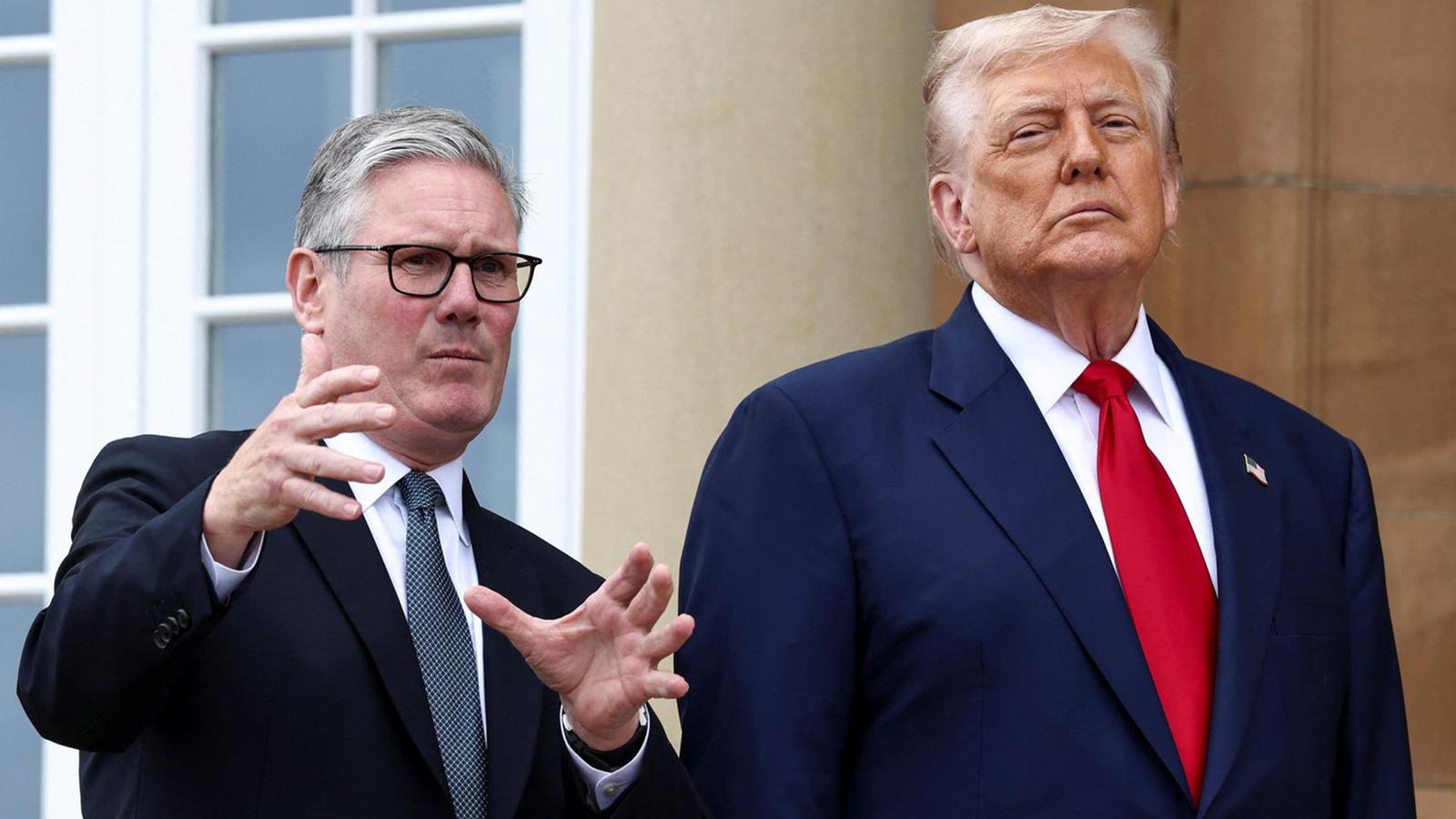
WASHINGTON (Azat TV) – U.S. President Donald Trump on Monday expressed ‘very disappointed’ in British Prime Minister Keir Starmer, criticizing what he called an unprecedented delay in granting American forces permission to use the strategically vital Diego Garcia base for military operations against Iran. The diplomatic friction underscores a growing strain on the traditionally close US-UK defense partnership amid escalating tensions in the Middle East.
According to an exclusive interview with The Telegraph, President Trump stated that Starmer’s initial refusal to allow American operations from the Indian Ocean atoll was unlike anything seen between the two allies previously, suggesting the British leader had concerns over the legal basis for such actions. Diego Garcia, a remote coral atoll in the Chagos Archipelago, hosts a critical joint US-UK military facility, making its access pivotal for regional operations.
Diego Garcia Access Dispute
The core of the disagreement centered on access to Diego Garcia, a key hub for military projection in the Indian Ocean. Britain had initially denied US permission to conduct strikes from the base, as well as from RAF Fairford, citing international law concerns. However, on Sunday night, Prime Minister Starmer reversed course, authorizing US access to Diego Garcia for what Downing Street described as ‘specific and limited defensive purposes.’
Despite the eventual authorization, President Trump criticized the delay, asserting that Starmer ‘took far too long’ to change his position. He emphasized the urgency of the situation given the ongoing US military campaign against Iran, claiming Iran was responsible for numerous attacks that had harmed British personnel in the past, though specific incidents were not cited.
Chagos Sovereignty Arrangement and US-UK Ties
The dispute also prompted President Trump to withdraw support for Prime Minister Starmer’s controversial Chagos sovereignty arrangement. Under this deal, Britain intended to transfer ownership of the islands to Mauritius while leasing back the military base. Trump labeled the agreement ‘a very woke thing,’ arguing that the UK should have retained outright ownership of the territory.
He told The Telegraph that Washington was ‘very disappointed in Keir’ over his handling of the Chagos deal, suggesting that Mauritius’s claims of ownership should have been ‘fought out’ by the UK. Republican lawmakers in Washington have also reportedly expressed frustration over the delay in granting access to British facilities, highlighting broader concerns within the US political establishment.
Escalating Tensions with Iran
The diplomatic row unfolded two days into the US military campaign against Iran, which President Trump stated was ‘well ahead of schedule.’ Shortly after Starmer authorized US use of the bases, an Iranian Shahed one-way attack drone struck RAF Akrotiri in Cyprus. British servicemen received alerts of a ‘security threat,’ and explosions were heard near Limassol. No casualties were reported, but the UK Ministry of Defense has since relocated families of service members stationed at the base.
Despite backing efforts to neutralize Iranian missile and drone capabilities ‘at source,’ Prime Minister Starmer has not authorized British forces to join the US-Israeli offensive directly. This cautious stance by London further illustrates the complex balance the UK is attempting to strike between alliance commitments and its own legal and international considerations.
The diplomatic friction over Diego Garcia highlights the increasing complexity of alliance dynamics in a rapidly evolving geopolitical landscape, forcing traditional partners to navigate divergent legal interpretations and national interests amidst active military conflicts.