
Quick Read
- Trump administration asked the Supreme Court to enforce its passport policy requiring biological sex markers.
- Seven transgender and nonbinary people sued, winning a preliminary injunction blocking the policy.
- Trump also petitioned the Supreme Court to remove Federal Reserve Governor Lisa Cook over mortgage fraud allegations.
- Cook voted in favor of a 25-basis point Fed rate cut amid ongoing legal battles.
- The Supreme Court is set to decide on both issues, with significant national implications.
Trump’s Legal Offensive Targets Passport Policy and Federal Reserve Leadership
The corridors of American power have rarely felt as tense as they did this September, when President Donald Trump’s administration launched two sweeping legal offensives—each with far-reaching consequences for the lives of ordinary citizens and the stability of financial markets. The Supreme Court now stands at the center of these pivotal battles: one concerning the rights of transgender and nonbinary Americans, the other shaking the foundations of the Federal Reserve’s leadership.
Passport Policy Controversy: Defining Identity at the Highest Level
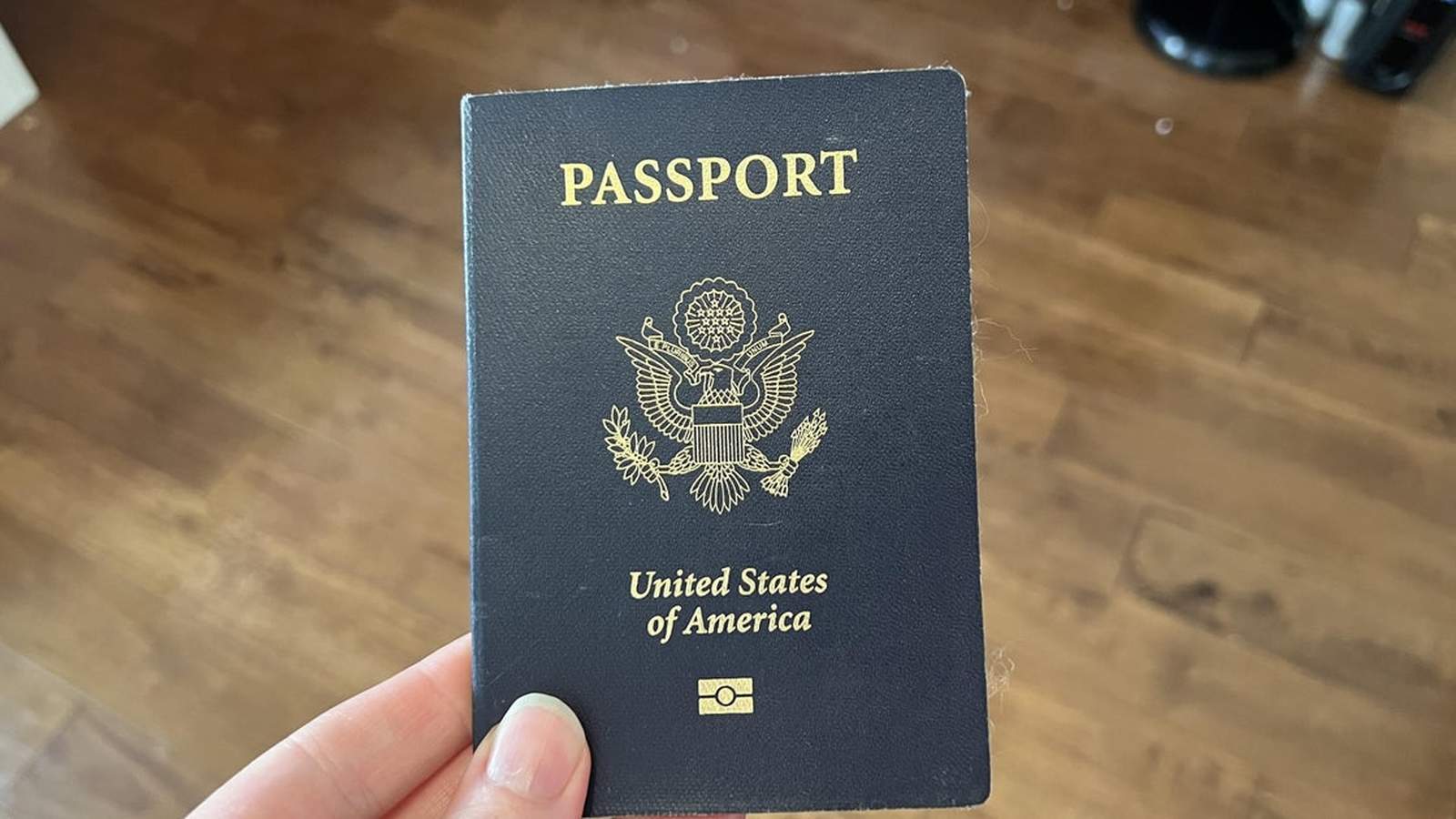
Just months after President Trump’s return to the White House, his administration moved swiftly to reshape federal policy regarding gender markers on U.S. passports. By executive order, Trump mandated that passports reflect only an individual’s “biological sex at birth,” ending the use of the “X” marker—a designation introduced by the Biden administration to recognize nonbinary and transgender applicants. Applicants were now restricted to choosing only “M” or “F,” a change that sent shockwaves through the LGBTQ+ community.
Seven transgender and nonbinary Americans quickly filed suit, arguing that the administration’s policy violated constitutional protections and federal law. Their legal team sought an injunction requiring the State Department to revert to the more inclusive policy, allowing individuals to self-identify their gender marker—including the X designation. U.S. District Judge Julia Kobick agreed, issuing a preliminary injunction that temporarily blocked Trump’s directive. Judge Kobick’s ruling was blunt: the executive order “candidly rejects the identity of an entire group—transgender Americans—who have always existed and have long been recognized in, among other fields, law and the medical profession.”
The injunction was later expanded to cover a wider class of passport applicants. In response, Trump’s legal team appealed to the Supreme Court, arguing that the lower court’s order undermined both the president’s foreign policy and “scientific reality.” Solicitor General D. John Sauer insisted that the passport policy is “eminently lawful,” framing the dispute as a constitutional question over who defines sex for official purposes. At stake is not only the ability of Americans to travel with documents that reflect their lived identity, but also the broader debate over the government’s role in recognizing and respecting gender diversity.
Lisa Cook’s Tenure: Trump’s Bid to Reshape the Federal Reserve
Meanwhile, another fierce legal struggle has unfolded, this time in the realm of economic policy. President Trump has formally petitioned the Supreme Court to remove Federal Reserve Governor Lisa Cook, following her participation in a critical Federal Open Market Committee (FOMC) meeting that saw the Fed cut interest rates for the first time this year. The timing is no accident: Cook’s vote, along with those of her colleagues, triggered a surge in financial markets, with Bitcoin and other cryptocurrencies rallying on news of the rate reduction.
Trump’s legal team argues that Cook’s removal is justified under the Federal Reserve Act, citing allegations of mortgage fraud. The Justice Department, representing Trump, has asked the Supreme Court to stay a lower court’s ruling that reinstated Cook after Trump’s initial attempt to oust her was blocked. The Appeals Court had denied Trump’s emergency request mere hours before the FOMC meeting, allowing Cook to cast her pivotal vote in favor of a 25-basis point cut. Trump’s camp had pushed for a deeper reduction, with recently nominated Fed Governor Stephen Miran dissenting in favor of a 50-basis point cut.
For Trump, the battle over Cook’s tenure is about more than a single official—it’s part of a broader effort to reshape the Federal Reserve in his economic image. He has openly discussed his intent to appoint a majority of Fed officials, aiming to steer monetary policy in directions he believes will best serve the nation’s growth. The fight over Cook’s seat is emblematic of the tensions between political influence and the Fed’s independent mandate.
Political Stakes: Identity, Autonomy, and the Rule of Law
At first glance, the passport dispute and the battle over Lisa Cook’s role may seem unrelated. But both reflect a deeper struggle over the boundaries of executive power and the rights of individuals—whether to define their identity or to serve in key positions of public trust. In each case, the Supreme Court is being asked to weigh not only the letter of the law, but also the values that underpin American democracy.
For transgender and nonbinary Americans, the outcome of the passport case could determine whether their government recognizes their lived realities—or forces them to carry identification that feels fundamentally alien. For financial markets, the fight over the Fed’s leadership could influence decisions that touch the savings, investments, and livelihoods of millions.
These cases also raise questions about the pace and direction of social change. The reversal of the passport policy, for example, has reignited debates over who gets to decide what counts as legitimate identity. For many, the issue is personal and urgent; for others, it is a matter of constitutional interpretation and administrative authority.
Looking Ahead: Supreme Court’s Role in Defining American Policy
As the Supreme Court prepares to hear arguments in these cases, the nation waits for clarity. The justices will be called upon to balance competing claims—between personal liberty and governmental prerogative, between scientific consensus and political ideology, between the autonomy of the Federal Reserve and the influence of the White House.
Whatever the outcomes, the decisions will reverberate far beyond the courtroom. For those affected by the passport policy, a ruling could mean the difference between dignity and exclusion at international borders. For the Federal Reserve, the judgment could shape the contours of monetary policy for years to come, affecting everything from interest rates to inflation and the stability of global markets.
Both cases are being closely watched by advocacy groups, legal experts, and policymakers. Their resolution will help define the limits of presidential power—and the responsibilities of government toward its citizens.
In analyzing these parallel legal battles, it’s clear that the Trump administration is seeking to test the boundaries of executive authority in realms both personal and systemic. The outcomes will not only affect the individuals at the center of these disputes but also set precedents for the relationship between citizens and their government, and between the branches of power themselves.