
Quick Read
- G7 finance ministers meet in Canada amid tariff disputes.
- Trump’s sweeping tariffs strain relations with key allies.
- Canada faces 25% duties on exports like autos to the U.S.
- Russian oil sanctions and global trade imbalances discussed.
- U.S. Treasury Secretary Scott Bessent expected to mediate.
G7 Finance Ministers Meet Amid Rising Trade Tensions
The annual meeting of the Group of Seven (G7) finance ministers is underway in Banff, Canada, against a backdrop of rising tensions fueled by U.S. President Donald Trump’s sweeping tariffs. This year’s summit, typically a venue for cooperative economic dialogue, has become a stage for contentious discussions over trade policies that threaten to disrupt the global economy.
 Trump’s recent tariffs include a 25% duty on Canadian exports like automobiles and a 10% baseline tariff on goods from European Union members France, Germany, and Italy. These measures have strained relationships within the G7, as member countries seek to address what the U.S. calls “global trade imbalances.”
Canada Faces Unique Challenges
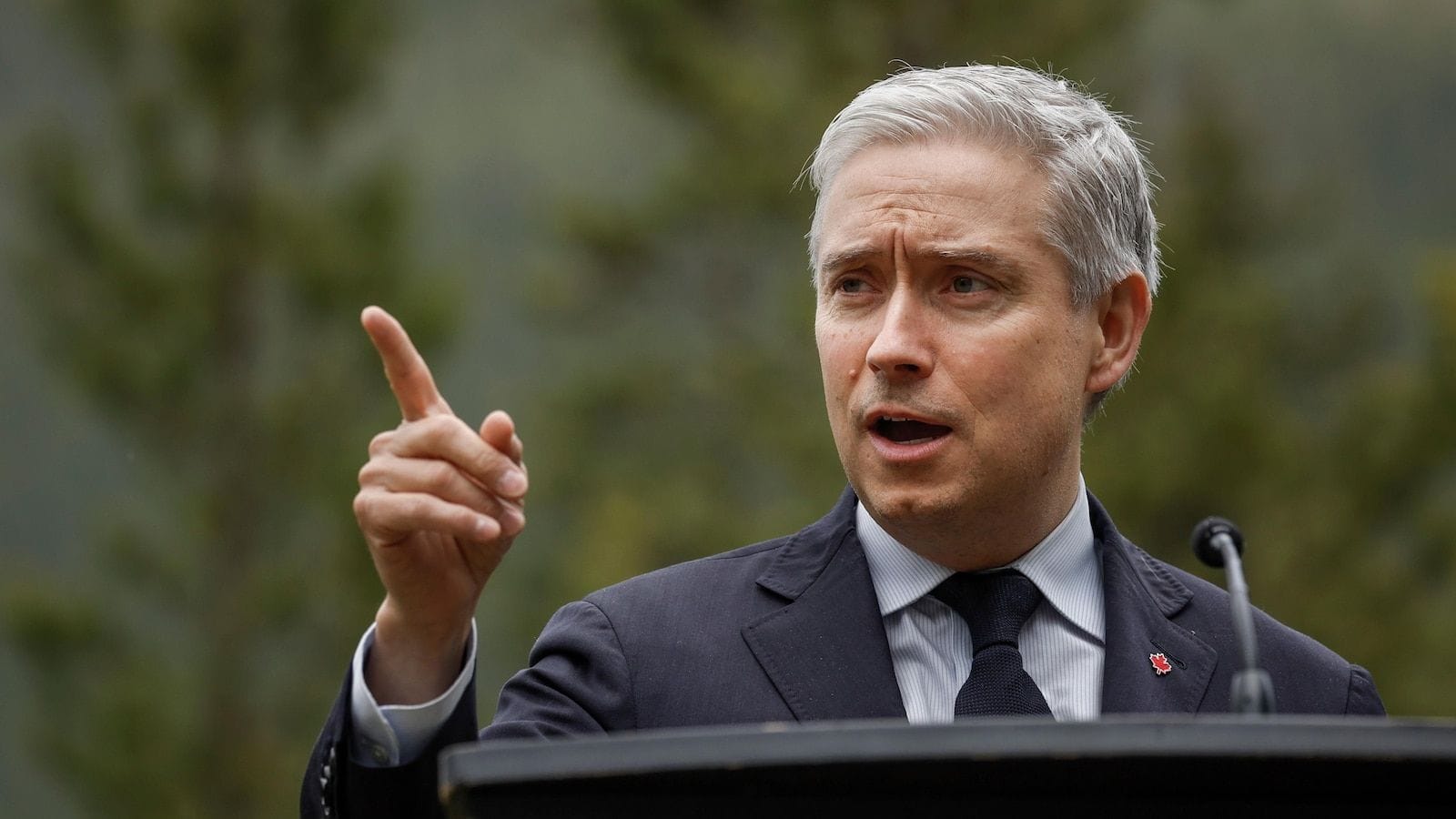
As the host nation, Canada finds itself at the center of the tariff controversy. Finance Minister François-Philippe Champagne emphasized the importance of a “rules-based multilateral trading system,” advocating for cooperation over confrontation. However, Canada continues to grapple with the economic impact of U.S. tariffs, which have led to increased costs for key industries like automotive manufacturing.
Champagne and other finance ministers are expected to hold one-on-one discussions with U.S. Treasury Secretary Scott Bessent, who is attending his first formal G7 meeting. While no major trade agreements are anticipated, these talks aim to pave the way for progress ahead of the G7 heads of state summit in June.
Focus on Russian Sanctions and Global Trade Imbalances
In addition to tariffs, the G7 ministers will address other pressing global issues, including sanctions on Russian oil. The European Union and the United Kingdom recently announced new sanctions targeting Russia’s “shadow fleet” of unregistered oil tankers. Proposals to lower the existing price cap on Russian oil from $60 are also on the agenda.
Ukraine’s Finance Minister Sergii Marchenko is attending the summit to advocate for stronger measures against Russia. The Trump administration has expressed support for increased sanctions but has yet to commit to the latest proposals. Analysts view this as a critical test of G7 unity in addressing geopolitical challenges.
Economic Implications of U.S. Tariffs
The economic fallout of Trump’s tariffs extends beyond bilateral relationships. The U.S. dollar recently experienced a drop in value following the announcement of the tariffs, while Treasury bond interest rates rose, signaling reduced investor confidence. Experts, including Steven Kamin of the American Enterprise Institute, predict that tariffs and currency fluctuations will dominate informal discussions at the summit.
Federal Reserve Chair Jerome Powell and central bank governors from other G7 nations are also participating in the meetings. Their insights will be crucial in navigating the complex economic landscape shaped by these protectionist policies.
Path Forward: Cooperation or Confrontation?
While the G7 finance ministers face significant challenges, there is potential for areas of agreement. U.S. Treasury Secretary Bessent, seen as a moderating influence within the Trump administration, may help ease tensions. Discussions on addressing global trade imbalances and ensuring fair trade practices could yield some common ground.
However, the broader question remains whether the G7 can maintain its commitment to a cooperative, rules-based trading system. Last year’s joint statement emphasized this principle, but it is uncertain whether a similar consensus will emerge this year.
As the G7 finance ministers conclude their meetings, the outcomes will shape the tone for the upcoming heads of state summit. The world watches closely, as the decisions made here will have lasting implications for global trade and economic stability.
Source: Abcnews, Arabtimesonline