
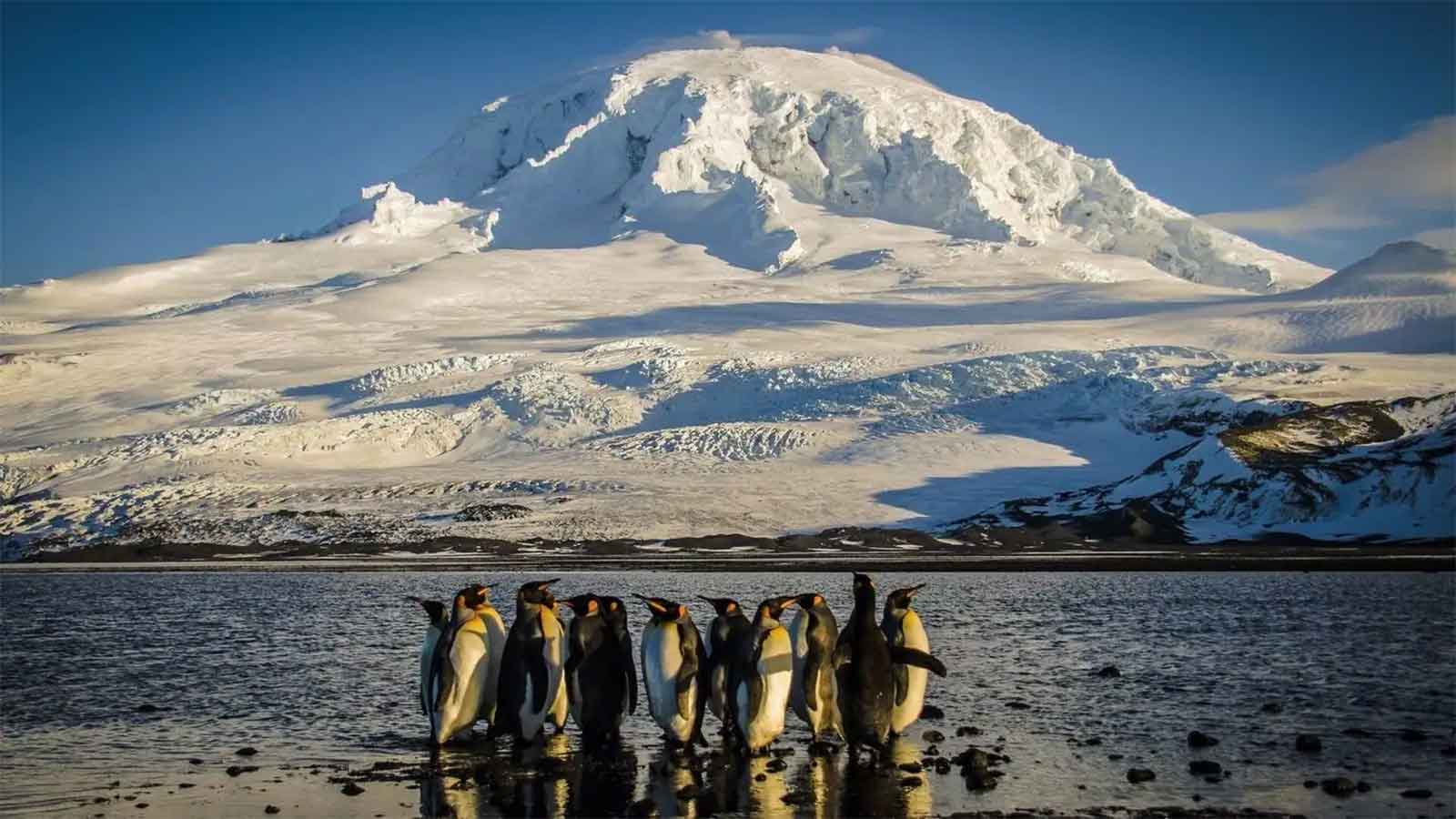
- Trump’s new tariffs include remote territories like Heard and McDonald Islands.
- The islands, uninhabited by humans, are home to penguins and seals.
- Australia’s PM called the tariffs ‘unexpected’ and ‘strange.’
- Experts question the rationale behind targeting such isolated locations.
- The islands are UNESCO World Heritage sites due to their pristine ecosystems.
Trump’s Tariffs Target Remote Islands: Penguins and Seals Impacted
In a surprising move, the Trump administration’s latest round of tariffs has included some of the most remote and uninhabited territories on Earth. Among these are the Heard and McDonald Islands, located in the sub-Antarctic region, which are home to penguins, seals, and a pristine ecosystem but no human residents.
Heard and McDonald Islands: A Unique Target
The Heard and McDonald Islands, an Australian external territory, sit approximately 4,000 kilometers (2,485 miles) southwest of Australia. These islands are so remote that they are only accessible via a seven-day boat journey from Perth, and they have not been visited by humans in nearly a decade. The islands are dominated by glaciers and an active volcano known as Big Ben, making them an inhospitable environment for human habitation.
Despite their isolation and lack of human activity, the Trump administration has imposed a 10% tariff on goods exported from these islands to the United States. This decision has raised eyebrows, as the islands have no significant trade relationship with the U.S. and are primarily known for their unique wildlife and untouched ecosystem. According to Mike Coffin, a researcher from the University of Tasmania, the islands have virtually no exports apart from a small-scale fishing operation for Patagonian toothfish and mackerel icefish.
A Pristine Ecosystem Under Threat?
The Heard and McDonald Islands are recognized as a UNESCO World Heritage site due to their unspoiled environment. They are one of the few places on Earth free from invasive species, making them a rare example of an ecosystem untouched by human influence. The islands are home to thousands of penguins, elephant seals, and a variety of seabirds, creating a unique and vibrant natural habitat.
Professor Coffin, who has conducted research in the surrounding waters, described the islands as “heavily colonized by penguins and elephant seals.” He recalled observing what appeared to be a sandy beach, only to realize it was covered by hundreds of thousands of penguins. The islands’ isolation has helped preserve their ecological integrity, but the imposition of tariffs has sparked concerns about potential future impacts.
Australian Territories and Tariffs
The Heard and McDonald Islands are not the only Australian territories affected by the new tariffs. Other territories, including the Cocos (Keeling) Islands and Christmas Island, are also subject to a 10% tariff. Norfolk Island, which has a small human population of about 2,200 people, faces a much steeper 29% tariff. Australian Prime Minister Anthony Albanese expressed confusion over the decision, calling the tariffs “unexpected” and “a bit strange.”
These tariffs are part of a broader trade policy unveiled by President $1 Trump, which includes measures against various countries and territories. The rationale behind targeting remote and uninhabited locations like the Heard and McDonald Islands remains unclear, leading to speculation that the decision may have been made without a full understanding of the islands’ status and lack of economic activity.
Global Reactions and Implications
The inclusion of remote territories in the tariff list has drawn international attention and sparked a wave of online commentary. Social media users have shared memes and posts highlighting the absurdity of imposing tariffs on islands inhabited only by wildlife. One user humorously suggested that penguins on the islands were staging a protest against the tariffs.
Beyond the humor, the tariffs have raised serious questions about the broader implications of such policies. Experts have pointed out that targeting remote and ecologically significant areas could set a concerning precedent. While the immediate economic impact on the Heard and McDonald Islands is negligible, the decision underscores the far-reaching nature of trade policies and their potential to affect even the most isolated parts of the world.
The Trump administration’s decision to impose tariffs on the Heard and McDonald Islands has brought these remote territories into the global spotlight. While the islands themselves are unlikely to feel any direct economic impact, the move has highlighted the complexities and controversies of modern trade policies. As the world grapples with the implications of these tariffs, the pristine ecosystems of the Heard and McDonald Islands serve as a reminder of the need to balance economic decisions with environmental stewardship.
Sources: BBC News, Sky News, NPR