
Quick Read
- President Trump visited Texas after devastating floods left over 135 dead.
- Trump praised FEMA despite previous criticism and proposed reforms.
- FEMA faces staffing and funding challenges, raising concerns about future disaster response.
- Critics argue better preparation and mitigation measures could have saved lives.
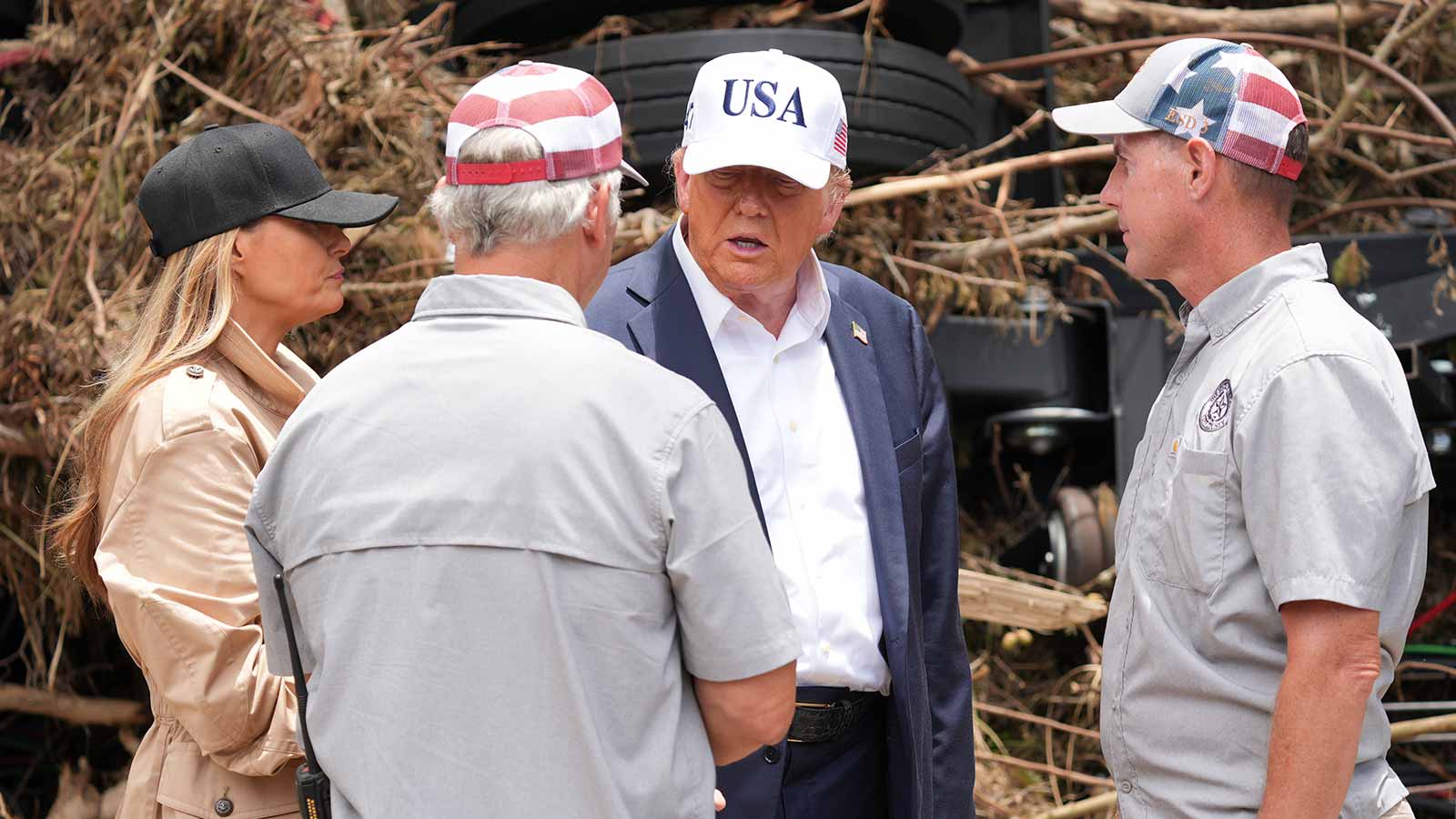
In the aftermath of catastrophic floods that devastated parts of Texas, leaving over 135 dead, President Donald Trump visited Kerrville on Friday, July 11, 2025. The visit aimed to showcase federal support for recovery efforts, but it also brought into focus critical debates about the Federal Emergency Management Agency (FEMA) and its preparedness to handle disasters amidst budget cuts and leadership challenges.
Trump’s Visit to Kerrville: A Show of Support
President Trump, accompanied by First Lady Melania Trump and Texas Governor Greg Abbott, toured the worst-hit areas of Kerrville, where torrential rains caused devastating floods earlier this month. During his visit, Trump met with first responders, victims, and local officials in a roundtable discussion. He praised the efforts of the Coast Guard, which reportedly rescued 169 children from Camp Mystic, and assured residents of continued federal support.
However, the president’s remarks were not without controversy. When asked whether better warnings could have saved more lives, Trump dismissed the question, calling it “evil.” According to Sky News, he emphasized the rarity and severity of the floods, which have been described as the worst in recent memory. Despite the reassurances, the death toll is expected to rise as recovery efforts continue.
FEMA’s Struggles Under Scrutiny
Trump’s visit comes at a time when FEMA’s capacity to respond effectively to disasters has been called into question. Former FEMA Chief of Staff Michael Coen, in an interview with The Guardian, highlighted significant challenges faced by the agency. Since Trump took office, FEMA has reportedly lost over 2,000 staff members due to resignations and retirements, resulting in a decline in institutional knowledge and morale. Budget cuts to critical grant programs, including the Building Resilient Infrastructure Communities initiative, have further weakened FEMA’s ability to prepare for and mitigate disasters.
Coen pointed to the Guadalupe River area in the Texas Hill Country as an example of how such cuts have had tragic consequences. “More lives could have been saved if mitigation measures, such as improved warning systems, had been in place,” he said. The Texas floods, he argued, underscore FEMA’s indispensability in coordinating disaster responses and supporting states during crises.
Reevaluating FEMA’s Future
In the months leading up to the floods, Trump and Homeland Security Secretary Kristi Noem had suggested significant changes to FEMA’s structure, including the possibility of phasing out the agency. Trump had previously described FEMA as “not good” and proposed shifting more disaster-response responsibilities to individual states.
However, the recent disaster appears to have prompted a shift in rhetoric. During his Kerrville visit, Trump praised FEMA, stating, “FEMA has been really headed by some very good people.” According to Sky News, this marked a notable departure from earlier criticism. Secretary Noem also announced plans to “remake FEMA into a responsive agency,” stopping short of abolishing it entirely.
Despite these reassurances, concerns remain about FEMA’s ability to manage concurrent disasters. With hurricane season underway and the possibility of additional natural catastrophes, experts like Coen warn that FEMA’s resources and leadership gaps could leave the nation vulnerable.
The Broader Implications
The Texas floods have reignited debates over the federal government’s role in disaster management. Critics argue that consistent funding and strong leadership are essential for FEMA to fulfill its mandate effectively. The floods also highlight the growing need for investments in infrastructure and mitigation measures to reduce the impact of extreme weather events.
As Texas begins the long road to recovery, the events of this month serve as a stark reminder of the human and economic costs of unpreparedness. While Trump’s visit offered symbolic support, the challenges faced by FEMA and the broader disaster-response system remain pressing issues for policymakers and citizens alike.
As the floodwaters recede, the spotlight turns to the future of disaster management in the United States, a topic that will undoubtedly shape national conversations in the months to come.