
Quick Read
- President Trump warned NATO faces a “very bad future” if allies don’t help secure the Strait of Hormuz.
- He stated that European nations and China, heavily reliant on Gulf oil, should contribute to the U.S.-led effort.
- Trump also suggested he may delay his summit with China’s President Xi Jinping over the issue.
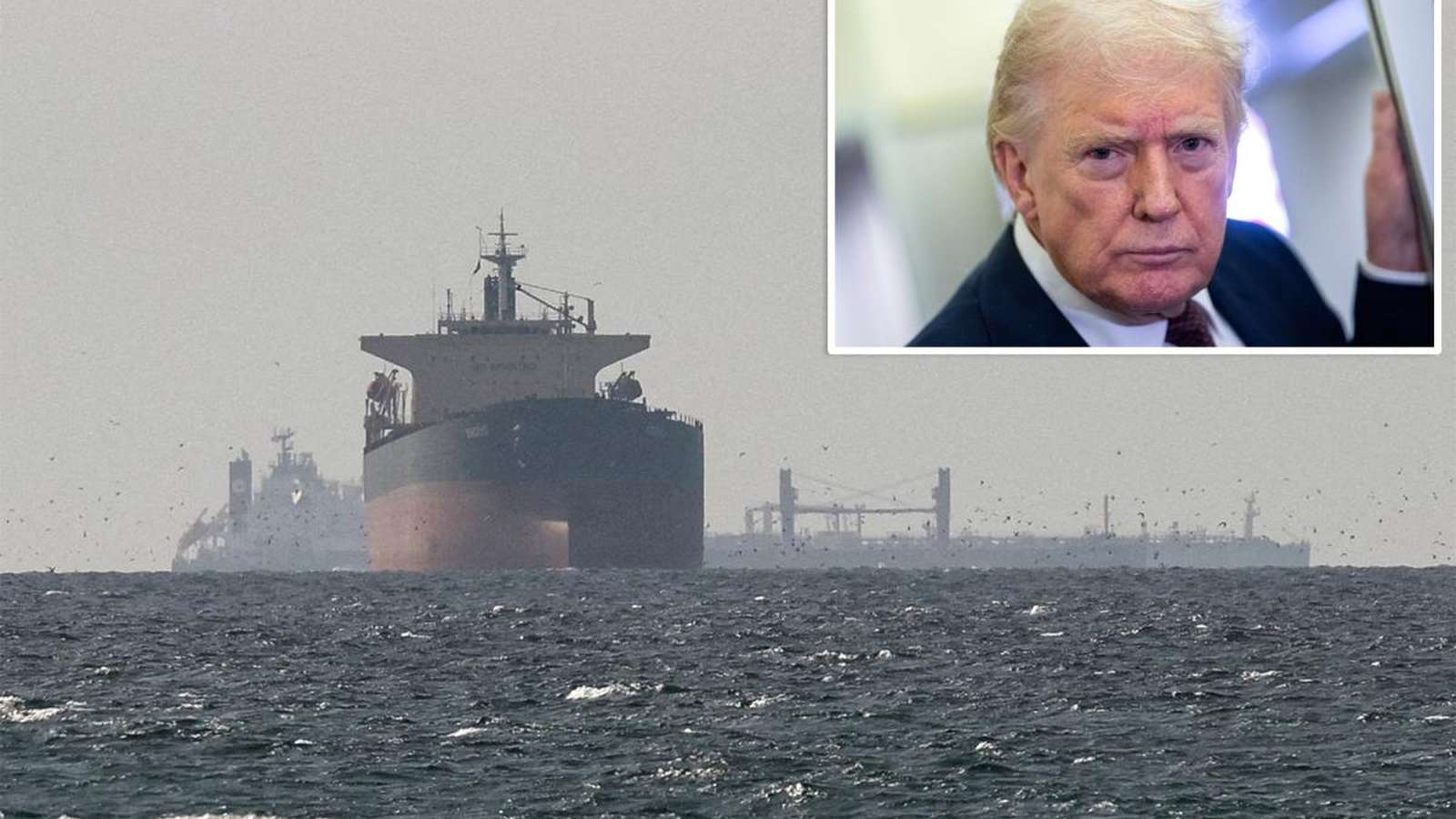
WASHINGTON (Azat TV) – President Donald Trump issued a dire warning on Sunday, asserting that the North Atlantic Treaty Organization (NATO) faces a “very bad future” if its member states fail to assist the United States in reopening the critical Strait of Hormuz. The call comes as oil prices surge and the conflict in the Middle East intensifies.
NATO Allies Urged to Support Hormuz Security Effort
In an interview with the Financial Times, Trump emphasized that European nations and other global powers heavily reliant on oil from the Persian Gulf region should contribute to a U.S.-led initiative to secure the vital waterway, through which approximately one-fifth of the world’s oil supply normally flows. “It’s only appropriate that people who are the beneficiaries of the Strait will help to make sure that nothing bad happens there,” Trump stated, arguing that Europe and China are more dependent on Gulf oil than the United States.
He further cautioned that a lack of support or a negative response from NATO allies would have severe consequences for the alliance’s future. “If there’s no response or if it’s a negative response I think it will be very bad for the future of NATO,” he said.
Potential Delay of China Summit
Trump also indicated that he might postpone his upcoming summit with Chinese President Xi Jinping, scheduled for later this month, unless Beijing actively participates in efforts to unblock the Strait. “I think China should help too because China gets 90 percent of its oil from the Straits [sic],” Trump told the Financial Times. He noted that the two-week timeframe before the summit was significant and that a delay was possible, though he did not specify the duration.
Escalating Middle East Conflict and Oil Prices
The president’s remarks follow Iran’s announcement on Saturday that all countries, with the exception of the U.S. and Israel, could transit the waterway. This statement came less than a day after the United States conducted airstrikes on military targets on Iran’s oil-critical Kharg Island. International oil prices saw a significant jump, soaring to approximately $106 a barrel on Sunday, marking a roughly 45% increase since the conflict in the region escalated.
NATO’s Role and Past Frustrations
Trump suggested that the 32-member NATO alliance should provide military support, ranging from minesweepers to forces capable of neutralizing “bad actors” along the Iranian coast. He reiterated his long-standing criticism that NATO operates as a “one-way street,” implying that the U.S. has historically supported allies without reciprocal assistance. “We have a thing called NATO… We’ve been very sweet. We didn’t have to help them with Ukraine. Ukraine is thousands of miles away from us . . . But we helped them. Now we’ll see if they help us,” Trump stated.
He specifically expressed frustration with the United Kingdom, recounting a conversation with Prime Minister Sir Keir Starmer. Trump claimed that the UK was hesitant to commit military assets until after U.S. forces had largely neutralized the threat, stating, “And as soon as we basically wiped out the danger capacity from Iran, they said, ‘Oh well, we’ll send two ships’, and I said, ‘we need these ships before we win, not after we win,’” he added.
U.S. Military Action and Future Strikes
Trump asserted that Iran’s military capabilities had been significantly degraded over the preceding two weeks of fighting, posing minimal risk to European allies moving assets into the Gulf. He also signaled that the U.S. was prepared to conduct further strikes, potentially targeting oil infrastructure on Kharg Island, which serves as the primary export terminal for Iran’s oil. “You saw we hit Kharg Island, everything but the pipes yesterday,” Trump commented, referring to the strikes that targeted military infrastructure on the island.
Trump’s strong stance on NATO’s role in the Strait of Hormuz crisis underscores a persistent theme in his foreign policy approach: a demand for greater burden-sharing from allies, particularly concerning security interests that directly impact their economies.