
Quick Read
- Trump and Xi are still expected to meet in South Korea despite recent trade tensions.
- China’s rare earth export controls have triggered threats of US tariffs and global supply chain concerns.
- US Treasury Secretary Bessent says negotiations are ongoing and tariffs could be avoided.
- Both sides are preparing leverage and countermeasures in case talks fail.
Trump and Xi Set for Pivotal South Korea Summit Amid Trade Strains
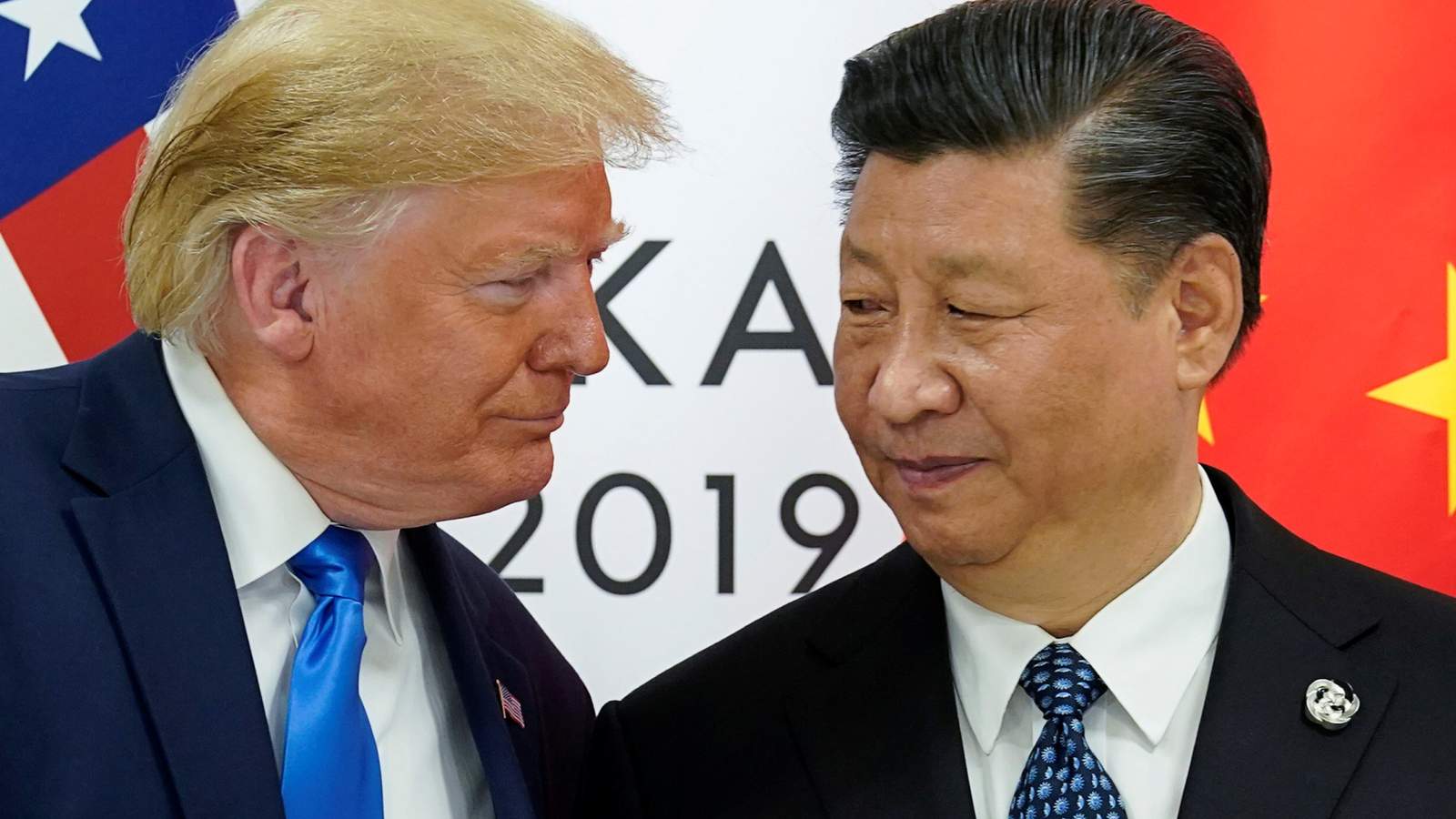
The world’s attention is fixed on South Korea as the stage for an anticipated meeting between United States President Donald Trump and China’s President Xi Jinping. Despite a week marked by intensifying trade tensions and unprecedented threats, top officials confirm the summit is still scheduled, potentially shaping the future of US-China relations and the global economy.
Trade War Fears Rise Over Rare Earth Export Controls
It started with a sudden move from Beijing on October 9: China tightened export controls on rare earth minerals, a critical resource for industries ranging from smartphones to defense systems. In response, President Trump threatened to impose a 100 percent tariff on Chinese goods, effective November 1, and even hinted at canceling the planned summit with Xi. This tit-for-tat escalation sent shockwaves through financial markets, triggering a sell-off and stoking fears of a new, full-blown trade war between the world’s two largest economies, according to Al Jazeera and Politico.
Rare earths have become a strategic pawn. China holds a near monopoly on these minerals, essential for technologies that underpin modern life and military might. The new Chinese export restrictions require foreign companies to seek government approval and disclose their intended use, tightening Beijing’s grip on the supply chain. The US Treasury Secretary Scott Bessent described China’s move as “pointing a bazooka at the supply chains and the industrial base of the entire free world.”
Diplomacy and Negotiations Continue, With Global Implications
Despite the tension, communication channels between Washington and Beijing have reopened. Secretary Bessent, speaking to Fox Business Network and reported by Politico, emphasized that “substantial communications” are underway. The US expects further staff-level meetings this week and hopes for a direct dialogue between Trump and Xi at the Asia-Pacific Economic Cooperation (APEC) forum in South Korea in late October.
Bessent’s tone was cautiously optimistic. He suggested that the threatened 100 percent tariff “does not have to happen” if negotiations yield results. Trump echoed this sentiment in a post on Truth Social, assuring followers: “Don’t worry about China, it will all be fine! Highly respected President Xi just had a bad moment. He doesn’t want Depression for his country, and neither do I. The USA wants to help China, not hurt it!!!”
This softer approach appeared to ease market anxieties, with US stocks rebounding sharply after Trump’s conciliatory message. Yet, beneath the surface, both sides are preparing for tough negotiations. Bessent pointed out that the US is coordinating with allies in Europe, India, and across Asia to build support for its position. “A group of bureaucrats in China cannot tell us and our allies how to run our supply system,” he asserted.
Behind the Scenes: Countermeasures and Leverage
While talks are ongoing, the US is not without leverage. Earlier this year, Washington imposed 12 countermeasures on China, targeting everything from natural resources vital for plastics to jet engine components. Bessent hinted at further options, including restrictions on Chinese software, minerals, and financial services, and even the possible expulsion of hundreds of thousands of Chinese students studying in the US if Beijing does not back down.
“We have plenty of straight, brute-force countermeasures that we can pull,” Bessent told Politico. The message is clear: the US is prepared to respond forcefully if negotiations falter.
Meanwhile, China has defended its new export controls as a necessary response to what it calls “provocative and damaging” US actions, including blacklisting Chinese firms and imposing port fees on China-linked ships. Beijing accuses Washington of double standards, arguing that the US measures have forced its hand.
Global Stakes: Supply Chains, Allies, and Economic Stability
The outcome of these negotiations will reverberate far beyond Washington and Beijing. Global supply chains for rare earths, semiconductors, and other key technologies hang in the balance. Allies in Europe and Asia are watching closely, mindful of their own dependence on Chinese minerals and the risk of disruption.
At the heart of the standoff is a broader question: can the world’s two largest economies find common ground, or will strategic rivalry and protectionist measures deepen the divide? The answer may emerge in South Korea, where Trump and Xi are set to meet face-to-face.
For now, officials on both sides maintain that the relationship remains “good” and that the summit is likely to proceed as planned. As Bessent put it, “The relationship, despite this announcement last week, is good. Lines of communication have reopened, so we’ll see where it goes.”
With so much at stake—from the fate of global supply chains to the stability of financial markets—the world will be watching every move, every handshake, and every word exchanged in South Korea.
Assessment: The planned Trump-Xi summit in South Korea stands as a critical moment for US-China relations and the global economy. While public statements strike a conciliatory tone, both sides are quietly marshalling leverage and preparing for potential escalation. The outcome hinges not only on the leaders’ personal rapport but on their ability to navigate the complex web of national interests, global supply chains, and allied concerns. As rare earths become a flashpoint, the summit is more than a bilateral meeting—it’s a test of whether diplomacy can prevail over economic brinkmanship.
Image Credit: aljazeera.com