
Quick Read
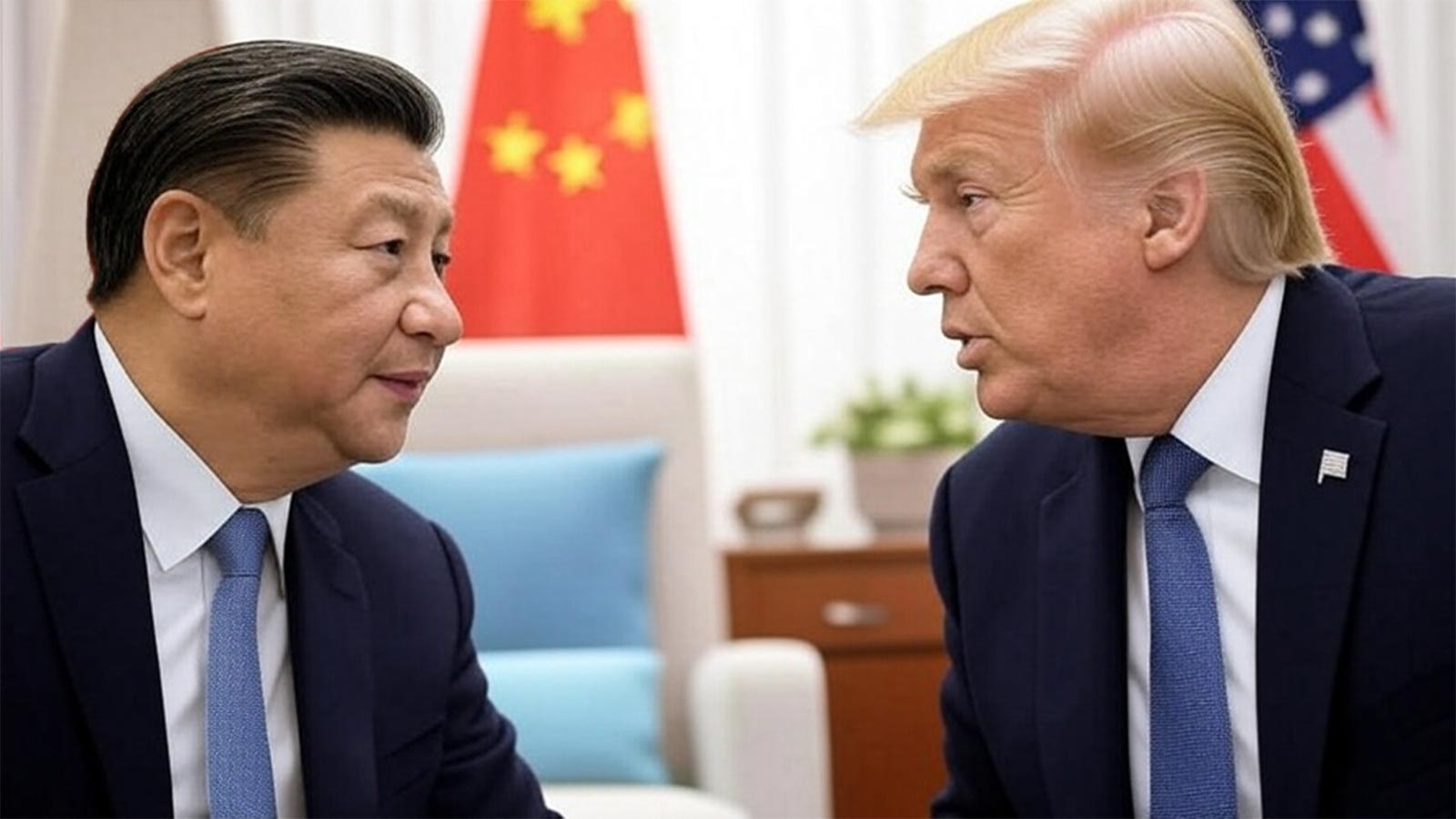
- US President Donald Trump and Chinese President Xi Jinping held a phone call on Thursday amid escalating trade tensions.
- The call followed accusations from Trump that China violated a recent tariff rollback agreement reached in May.
- China rejected the claims, accusing the US of imposing new restrictions, including visa revocations and export controls.
- This conversation marks a critical moment in ongoing efforts to stabilize relations between the two largest global economies.
Amid escalating trade tensions between the United States and China, Presidents Donald Trump and Xi Jinping engaged in a highly anticipated phone call on Thursday, June 5. This conversation marked the first direct dialogue between the two leaders since their countries agreed to a temporary tariff truce last month. The stakes could not be higher, as the world’s two largest economies grapple with the aftermath of a fragile trade agreement and renewed accusations of non-compliance.
Background: A Fragile Trade Truce
In May, the U.S. and China reached a critical 90-day agreement in Geneva to de-escalate their trade war. Both nations significantly lowered their respective tariffs: the U.S. reduced its levy on Chinese imports from a staggering 145% to 30%, while China reciprocated by cutting its tariffs on American goods from 125% to 10%. The deal, hailed as a step forward, offered temporary relief to global markets but left several unresolved issues, including disputes over rare earth exports and technology transfers.
However, tensions reignited last Friday, when President Trump accused China of violating the Geneva agreement. On his social media platform, Truth Social, Trump claimed, “So much for being Mr. NICE GUY!” while criticizing Beijing’s alleged failure to uphold its commitments. Meanwhile, China’s Ministry of Commerce firmly rejected these accusations, stating that it was the United States that had “unilaterally provoked new economic frictions.” Channel News Asia reported that Chinese officials have also criticized U.S. policies, such as visa revocations for Chinese students and new export controls on technology.
The Phone Call: A Critical Development
The Thursday phone call was made at the request of the White House, according to China’s state-run Xinhua news agency. Although specific details of the conversation have not been disclosed, it is clear that both leaders aimed to address the mounting tensions. The call followed remarks earlier in the week by White House National Economic Council Director Kevin Hassett, who expressed optimism about direct leader-to-leader talks. “The two of them will talk about the Geneva agreement, which we’re all very favorably inclined towards,” Hassett stated during an interview on ABC’s “This Week.” ABC7NY highlighted that U.S. Trade Representative Jamieson Greer had accused China of slow-walking export licenses for rare earth materials, a key element of the Geneva deal.
On the Chinese side, officials have reiterated their commitment to the truce but expressed concerns over the U.S.’s “discriminatory restrictive measures.” These measures include increased tariffs on aluminum and steel, raising duties from 25% to 50% on Wednesday, June 4. Beijing has warned that these actions could jeopardize the fragile trade truce.
Broader Implications: A Battle for Economic Dominance
The renewed friction between the U.S. and China underscores a deeper struggle for economic dominance in critical sectors such as technology and manufacturing. China’s recent suspension of rare earth mineral exports—a key leverage point in global supply chains—has disrupted industries ranging from automotive to defense. U.S. officials fear that China’s actions could stymie economic growth and increase political pressure on the administration.
Meanwhile, China’s Ministry of Commerce has emphasized the country’s consistent principles in its relationship with the United States. Foreign Ministry spokesman Lin Jian stated on Wednesday, June 4, that Beijing “firmly rejects unjustified accusations” and remains committed to resolving disputes through dialogue. However, these assurances do little to alleviate concerns among investors and global leaders. The Organization for Economic Co-operation and Development (OECD) warned during a Paris meeting this week that prolonged trade disputes could weaken global economic growth, a sentiment echoed by leaders from Canada and Mexico.
What Lies Ahead?
While the Thursday phone call between Trump and Xi offers a glimmer of hope for renewed negotiations, the road to resolution remains uncertain. Both sides appear entrenched in their positions, with Trump signaling his willingness to escalate tariffs further and China insisting on adherence to its own terms. Investors and business leaders, already grappling with supply chain disruptions and market volatility, will be closely monitoring developments in the coming weeks.
As the two superpowers navigate this complex web of economic and political tensions, the outcome of their negotiations will undoubtedly shape the global economic landscape for years to come.