
Quick Read
- President Trump announced a 25% tariff on Indian exports, effective August 1, 2025.
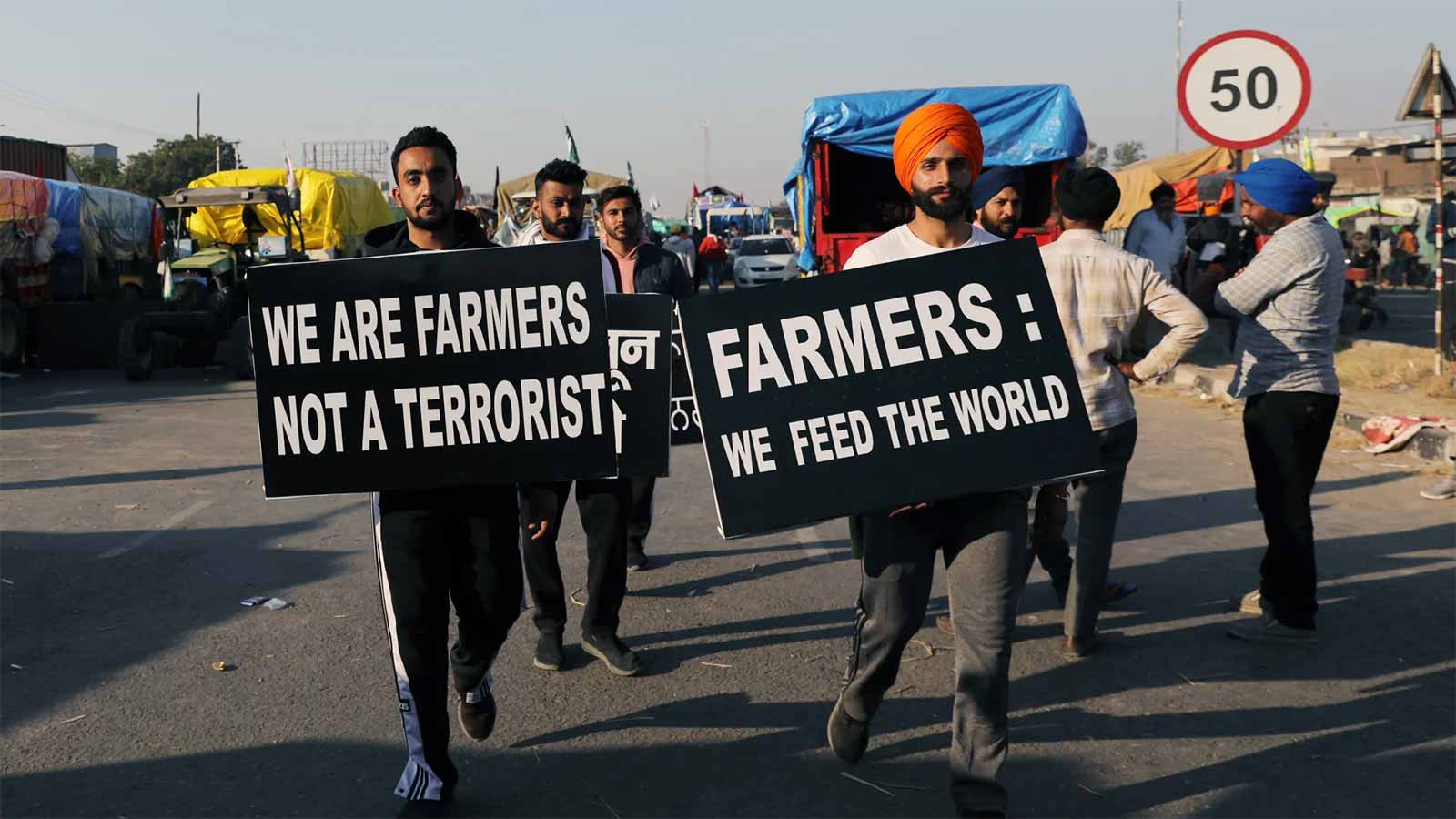
- India has vowed to protect its farmers and criticized the U.S. for unreasonable demands.
- The tariffs are part of Trump’s broader trade war, which has strained U.S.-India relations.
- Legal challenges to Trump’s authority over imposing tariffs are ongoing in U.S. courts.
- Analysts warn of potential economic and inflationary impacts on both nations.
The global trade stage is once again under the spotlight as U.S. President Donald Trump announces a sweeping 25% tariff on Indian exports, citing unresolved trade disputes and India’s energy ties with Russia. The measure, set to take effect on August 1, 2025, is the latest development in Trump’s escalating trade war, which has already seen similar actions against multiple nations. The move has sparked outrage in India, with officials scrambling for last-minute negotiations while pledging to protect key sectors such as agriculture.
Trump’s Tariff Blitz: A High-Stakes Gamble
President Trump’s aggressive tariff policy has been a hallmark of his administration, aimed at addressing what he terms “unfair trade practices.” Over the past week, the Trump administration has secured trade agreements with countries like Japan, South Korea, and the European Union, while leaving others, including India, scrambling to meet the looming deadline. According to CNN, Trump’s team believes the hard deadlines are creating urgency, pushing nations to the negotiating table. Yet, India’s inability to strike a deal in time has led to the imposition of the punitive tariffs, which Trump announced via social media with a scathing critique of India’s trade barriers and reliance on Russian oil.
“India’s tariffs are among the highest in the world, and that’s unacceptable,” Trump posted on Truth Social. He also hinted at additional penalties, a move that has further strained U.S.-India relations.
India’s Response: Defiance and Diplomacy
In response, Indian officials have vowed to protect the country’s economic interests, particularly its farmers, who stand to be disproportionately affected by the new tariffs. The Indian government has also emphasized the need for self-reliance, with Prime Minister Narendra Modi urging domestic industries to reduce dependence on exports to the U.S. In a statement to Reuters, a senior Indian trade official lamented the breakdown in negotiations, describing the U.S. demands as “unreasonable.”
Meanwhile, opposition parties in India have seized the moment to criticize Modi’s handling of the situation. “This is a diplomatic failure of the highest order,” said Rahul Gandhi, a prominent opposition leader, during a parliamentary debate. Indian analysts warn that the tariffs could disrupt key sectors, including textiles and agriculture, while also escalating inflation.
Legal Challenges and Economic Fallout
While Trump’s tariffs have sparked international condemnation, they are also facing legal scrutiny at home. A case brought before the U.S. Court of Appeals alleges that the president has overstepped his authority by invoking the International Emergency Economic Powers Act (IEEPA) to impose such sweeping tariffs. According to NBC News, critics argue that the law does not explicitly authorize tariffs, raising questions about the legality of Trump’s actions.
Economically, the tariffs are likely to have ripple effects across global markets. Copper prices, for example, saw unprecedented fluctuations earlier this month following Trump’s announcement of 50% tariffs on semi-finished copper products. Similarly, analysts predict that the 25% tariff on Indian goods could disrupt supply chains and increase costs for American consumers, particularly in sectors like technology and textiles.
“These tariffs are essentially a tax on American families,” said Senate Minority Leader Chuck Schumer in a fiery speech. He pointed to rising inflation as evidence that Trump’s trade policies are harming the U.S. economy.
The Bigger Picture: U.S.-India Relations at a Crossroads
Beyond the immediate economic implications, the tariff standoff underscores deeper tensions in U.S.-India relations. While the two nations have historically enjoyed strong ties, recent disagreements over trade, defense, and energy policies have strained the partnership. Trump’s criticism of India’s reliance on Russian oil and military equipment has added fuel to the fire, complicating efforts to rebuild trust.
At the same time, the U.S. has announced a trade framework with Pakistan, India’s regional rival, further complicating the geopolitical landscape. According to The Times of India, Indian officials view the move as a deliberate attempt to pressure New Delhi into compliance.
Despite these challenges, some analysts believe the tariff dispute could serve as a wake-up call for India to diversify its trade relationships and reduce its dependence on the U.S. market. “This is an opportunity for India to strengthen its domestic industries and explore new markets,” said Arvind Subramanian, a former economic advisor to the Indian government.
*As the August 1 deadline looms, the world watches closely to see how this high-stakes trade drama unfolds. Will diplomacy prevail, or are we witnessing the beginning of a prolonged economic standoff? Only time will tell.*