
Quick Read
- Tucson City Council unanimously rejected the annexation of land for Project Blue, a data center tied to Amazon.
- The project faced strong community opposition due to concerns over water usage and transparency.
- Despite the rejection, developers may pursue alternative strategies to build the data center.
- The controversy has reignited discussions on regulating data centers and resource management in Tucson.
The Tucson City Council made a significant decision on Wednesday, August 6, 2025, voting unanimously to reject the annexation of 290 acres of unincorporated land for the construction of Project Blue, a massive data center tied to tech giant Amazon. The project, which had sparked widespread community outrage, was seen as a threat to Tucson’s already strained water resources and had raised questions about transparency and corporate accountability.
What Is Project Blue?
Project Blue was envisioned as a state-of-the-art data center, initially spanning 290 acres, with plans for future expansions. According to documents obtained by Arizona Luminaria, the end user of the project was Amazon Web Services. The proposal included a reliance on potable water—essentially the city’s drinking water—for cooling its large-scale servers during the initial years of operation. Over time, the developers promised to transition to renewable water sources through a pipeline that would need to be built in partnership with the city.
However, this was only the first phase of a three-phase project, and details about the subsequent phases remained unclear. Despite these uncertainties, the proposal went as far as a Pima County Board of Supervisors vote in June, which approved the sale of unincorporated land to the developers. The next critical step required Tucson City Council’s approval for annexation, which would grant access to city water supplies. This is where the project hit a roadblock.
Community Outrage and Environmental Concerns
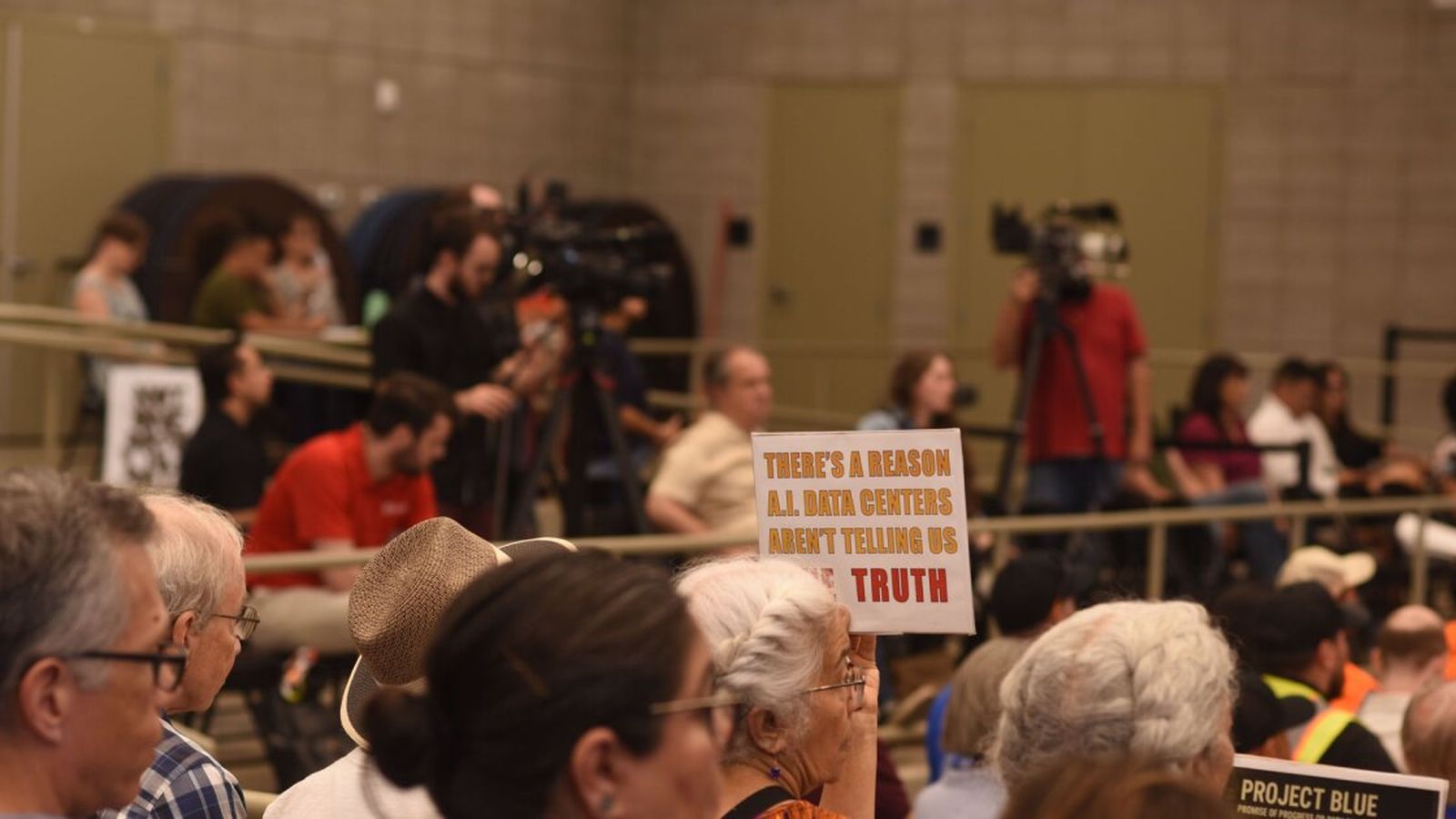
The proposal faced fierce resistance from Tucson residents, who packed city council meetings, held protests, and voiced their concerns about the environmental and social implications of the data center. Many saw the project as a misuse of Tucson’s limited water resources in a region already grappling with drought conditions. As KJZZ reported, residents were particularly alarmed by the lack of transparency surrounding the project, including the late disclosure of Amazon’s involvement.
Community members also expressed frustration over what they perceived as a lack of public consultation during the early stages of the project. For instance, the Pima County land sale occurred before any public meetings were held to discuss the potential impacts. This sense of being sidelined only fueled mistrust between the public, city officials, and the developers.
“This is our water, and we won’t let a corporation take it without a fight,” one protestor declared during a packed council meeting earlier this week. The sentiment was echoed by many others who argued that Tucson’s resources should prioritize its residents over corporate interests.
The Council’s Decisive Vote
On Wednesday, the Tucson City Council voted unanimously to reject the annexation request. This decision was met with cheers and applause from the audience gathered in the council chambers. Councilmember Nikki Lee highlighted the importance of listening to constituents, stating, “The people of Tucson have spoken loud and clear, and it’s our responsibility to protect their interests.”
While the council’s vote was a significant victory for opponents of Project Blue, it does not necessarily mean the end of the project. According to Arizona Luminaria, developers have indicated their intention to pursue alternative strategies to bring the data center to the region, though it remains unclear how they would secure the necessary water resources without access to Tucson’s supply.
Broader Implications for Data Center Development
The controversy surrounding Project Blue has reignited discussions about the regulation of data centers in Arizona and beyond. Data centers are notorious for their high water and energy consumption, and the Sonoran Desert’s arid climate makes such projects particularly contentious. Cities like Tempe, Mesa, and Phoenix have already begun implementing ordinances to regulate data center development, and Tucson may follow suit.
During the council meeting, members announced plans to draft an ordinance that would establish stricter guidelines for data centers in the city. This initiative, expected to be discussed further in the next council meeting on August 19, could serve as a model for other communities grappling with similar issues.
The Future of Tucson’s Resources
The debate over Project Blue has also brought renewed attention to broader resource management challenges in Tucson. Some council members have suggested exploring a public power option as a way to better align the city’s energy policies with its sustainability goals. While this idea is still in its infancy and would require significant financial and logistical planning, it reflects a growing desire among Tucsonans for greater local control over their resources.
For now, the city’s decision to reject Project Blue marks a major victory for community advocacy and environmental stewardship. But as Tucson continues to navigate the complexities of growth and sustainability, the lessons from this controversy are likely to shape its policies for years to come.
As the dust settles on Project Blue, one thing is clear: the people of Tucson are determined to have a say in the future of their city and its resources.