
Quick Read
- U.S. Director of National Intelligence Tulsi Gabbard stated Mojtaba Khamenei was severely injured in an Israeli strike.
- Khamenei’s condition makes Iranian leadership decision-making unclear, according to Gabbard.
- The revelation occurred during congressional hearings on national security threats.
WASHINGTON (Azat TV) – U.S. Director of National Intelligence Tulsi Gabbard revealed Thursday that Mojtaba Khamenei, the designated successor to Iran’s Supreme Leader, was severely injured in an Israeli strike, casting significant uncertainty over the Iranian leadership’s decision-making processes amid ongoing regional conflict.
Khamenei’s Condition and Leadership Uncertainty
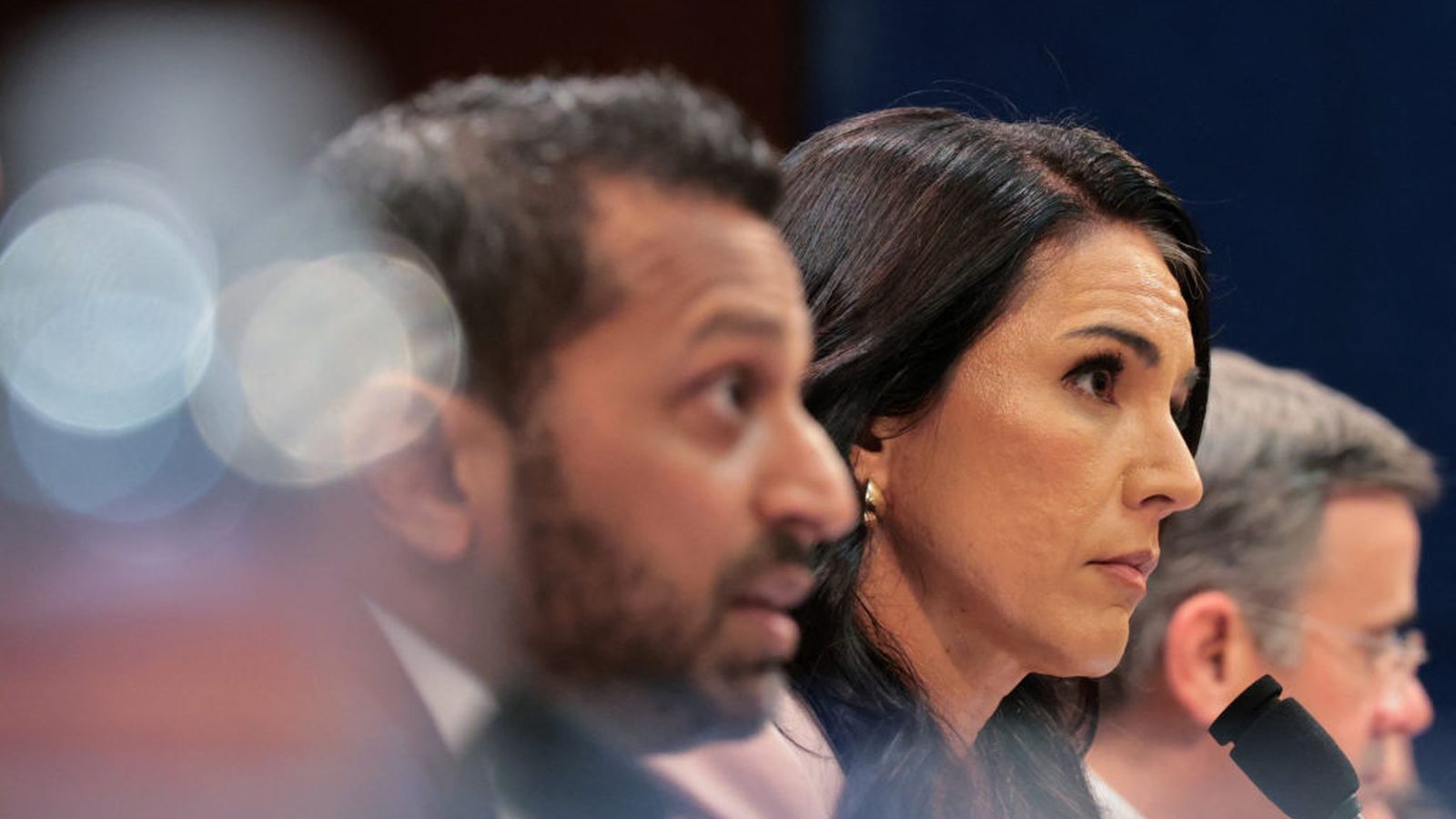
Testifying before the House Select Committee on Intelligence, Gabbard stated that the exact health status and leadership structure within Iran remain largely unknown to U.S. intelligence. “It is unclear his status or his involvement. He was injured very severely in one of the Israeli strikes,” Gabbard told lawmakers. “So the decision-making is unclear.” Officials have indicated that the new leader was wounded and possibly disfigured by the strike. Mojtaba Khamenei, who was chosen to succeed his father, Ayatollah Ali Khamenei (killed in a joint U.S.-Israeli attack at the war’s outset), issued his first statement on the war last week, though he did not appear on camera, and the speech was read by a news anchor.
Broader National Security Hearings
Gabbard’s remarks came during open hearings on worldwide threats, the second day of congressional sessions focused on the intelligence community’s annual assessment of national security risks. The previous day, Democratic senators had questioned Gabbard, then Director of National Intelligence, regarding U.S.-Israel attacks on Iran and any guidance provided to President Donald Trump. Gabbard had stated that while Iran’s regime was “largely degraded,” she repeatedly avoided confirming whether President Trump had been briefed on the war’s consequences, including Iran’s attacks on Gulf nations and its closure of the Strait of Hormuz.
Intelligence Community’s Assessment of Iran Threat
In prepared remarks to the Senate Intelligence Committee, Gabbard also asserted that U.S. attacks the previous year had “obliterated” Iran’s nuclear program, with no subsequent efforts to rebuild it. This statement contrasted with President Trump’s assertions that war with Iran was necessary due to an imminent threat. Gabbard noted that the assessment of an imminent risk to the United States was solely the president’s conclusion, as she declined to confirm if the intelligence community shared that view. The hearings also followed the resignation of National Counterterrorism Center Director Joe Kent, who cited his inability to support the war in good conscience, stating Iran posed no imminent threat to the U.S. and that key decision-makers were prevented from sharing their opinions with the president.
The revelations regarding Mojtaba Khamenei’s severe injury underscore the volatile and opaque nature of the conflict with Iran, highlighting how critical intelligence gaps can shape strategic decisions and public understanding of geopolitical crises.