
Quick Read
- Local businesses estimate thousands in losses stemming from the 2025 water supply failure.
- South East Water is establishing a separate compensation fund for businesses facing specific financial distress.
- The issue has become a key point of tension in the upcoming 7 May council elections.
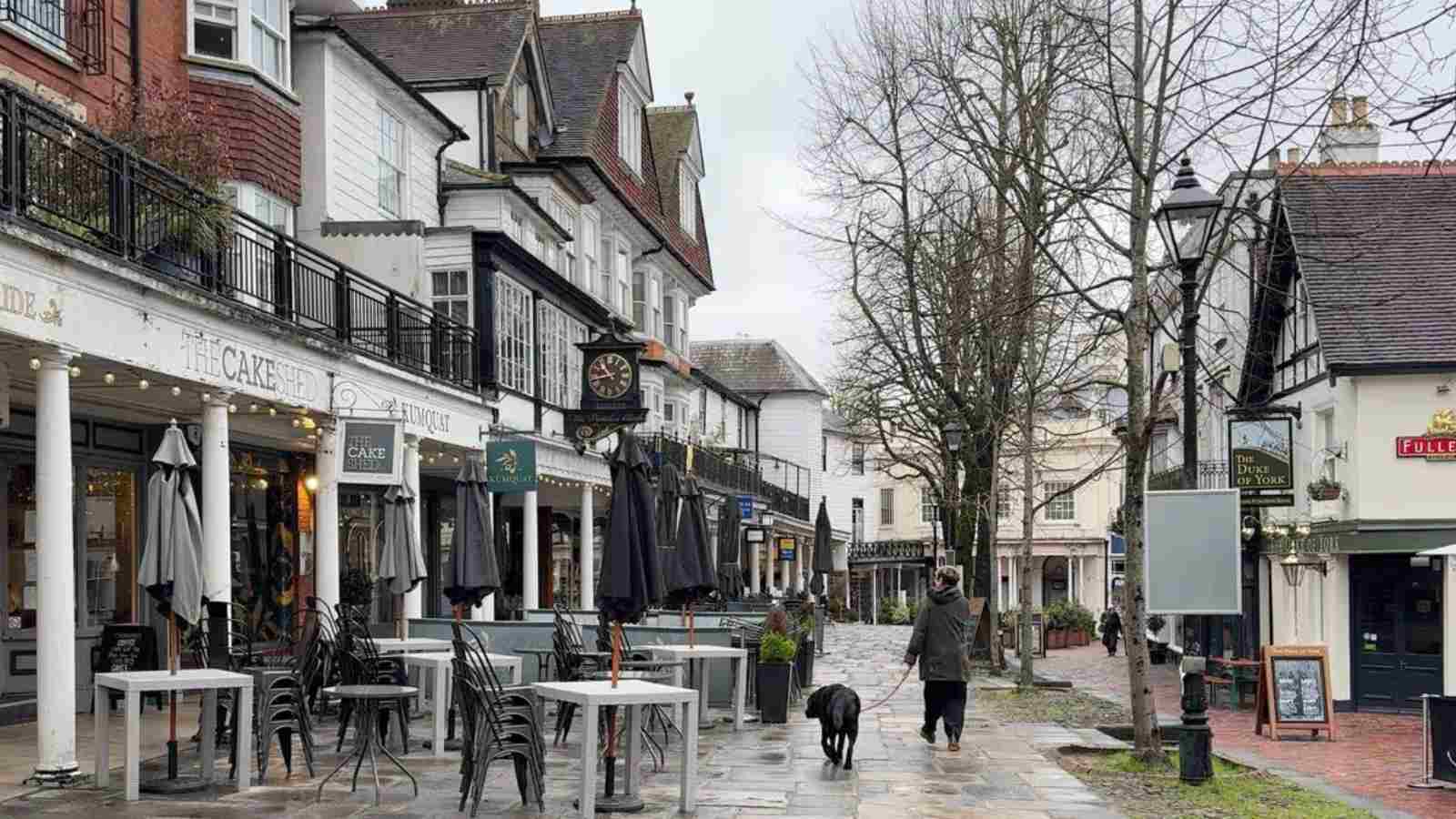
TUNBRIDGE WELLS (Azat TV) – Business owners in Tunbridge Wells are citing the lingering fallout from the 2025 South East Water supply failure as a primary driver of current economic instability, even as the town gears up for local elections on 7 May. While candidates are debating parking fees and high street accessibility, traders report that the massive disruption caused by the water utility has left a lasting scar on consumer confidence and footfall.
The Long-Term Economic Toll of Utility Failures
The supply failure, which occurred in late 2025, left approximately 24,000 properties without water for several days and triggered a nine-day boil-water notice. For many local establishments, the impact extended far beyond the initial days of the outage. Andrew Collins, owner of Brittens Music, noted that the absence of basic facilities—such as functional restrooms and food service—kept potential customers away from the town center during the crisis. He emphasized that the subsequent loss of consumer confidence has proven difficult to reverse.
Murat Askin, owner of TN1 Bar and Kitchen, estimates his business incurred roughly £60,000 in losses directly linked to the water issues. Despite the company’s efforts to provide compensation, Askin reports having received only £1,300, leaving a significant financial gap that insurance has only partially filled.
Corporate Response and Compensation Disputes
South East Water has faced mounting pressure to address the financial distress of local businesses. Tanya Sephton, the company’s customer services director, stated that they are committed to ensuring customers receive their entitlements. The utility provider confirmed it has issued payments to water retailers and is currently establishing a separate fund intended for businesses that can demonstrate specific financial losses beyond standard guaranteed service standards (GSS) payments.
Election Stakes and High Street Recovery
As the 7 May council elections approach, the debate over the high street’s future has intensified. While traders are pushing for better parking infrastructure and reduced restrictions to boost accessibility, the shadow of the 2025 water crisis remains a central grievance. Political parties are offering varied platforms to stimulate growth, ranging from business rate relief by the Conservative Party to VAT cuts for the hospitality sector proposed by the Liberal Democrats. However, local business owners maintain that until the confidence lost during the water failure is fully restored, infrastructure changes alone may not be sufficient to return the town to its former vitality.
The sustained economic drag from the 2025 water infrastructure failure highlights a structural vulnerability in local economies, where the inability of utility providers to maintain basic service levels creates a ripple effect that persists long after the taps are turned back on, ultimately forcing municipal candidates to address institutional failures they have no direct authority to resolve.