
Quick Read
- Twitch now requires UK users to undergo facial recognition scans for accessing mature content, following the UK Online Safety Act.
- Privacy advocates and creators warn about risks to biometric data, citing recent breaches like Discord’s.
- Ofcom may soon prohibit under-18 streamers from earning money on Twitch, impacting young creators.
- Major gaming events—such as Escape from Tarkov’s 1.0 launch and Where Winds Meet code drops—continue to draw users to Twitch amid the controversy.
- A parliamentary debate on repealing the Online Safety Act is scheduled for next month.
Twitch’s Facial Recognition Mandate: A Tipping Point for UK Users
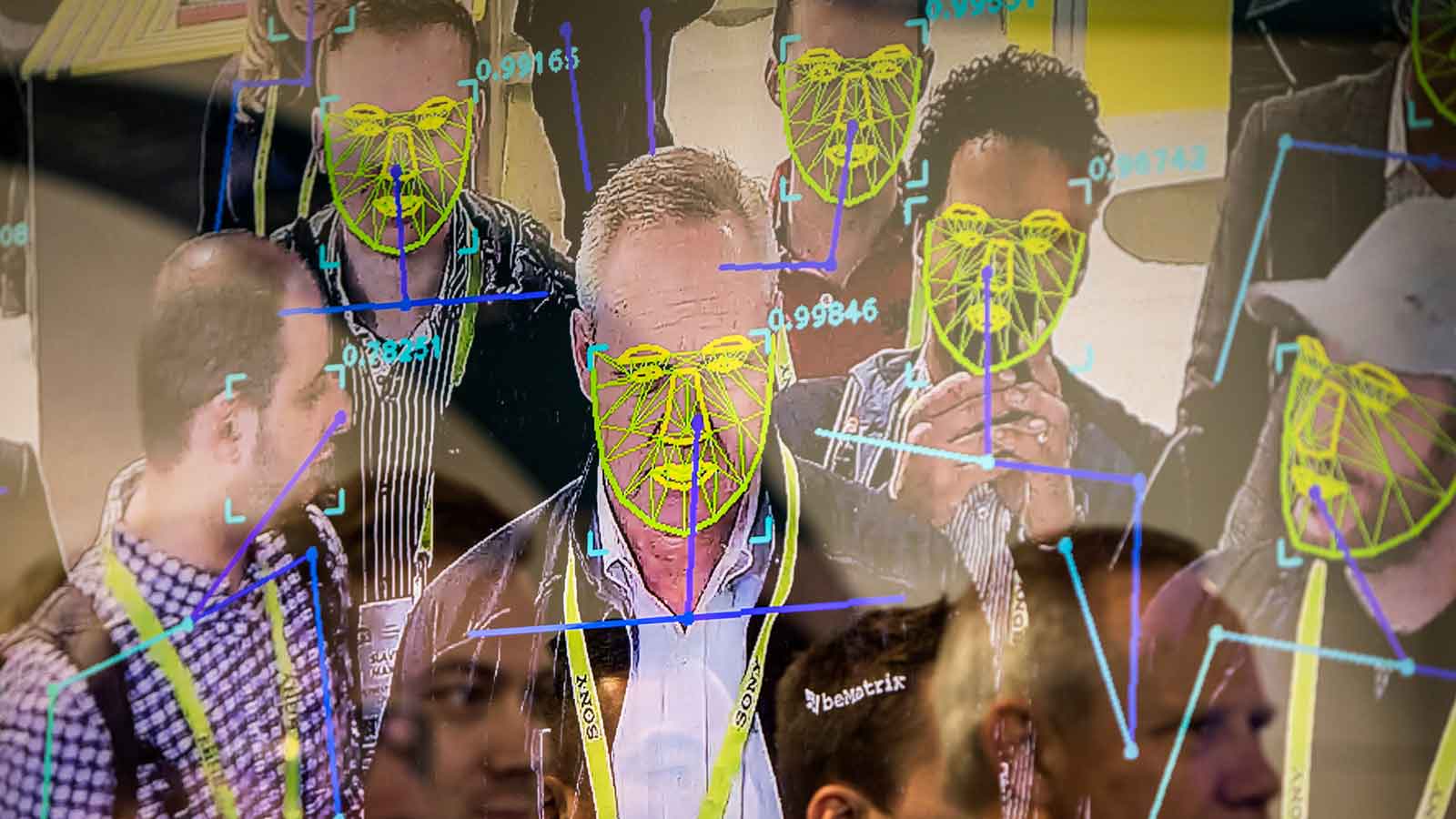
When Amazon-owned Twitch announced that all UK users would soon face mandatory facial recognition scans for accessing mature content, the reaction was swift and intense. Suddenly, millions of British streamers and viewers found themselves at the heart of a debate that touches on privacy, digital rights, child protection, and the future of online communities. Rolling Out reports that the move is Twitch’s response to the UK’s Online Safety Act, a sweeping piece of legislation meant to shield minors from inappropriate content online.
Under the new policy, any UK user wishing to view streams flagged for mature themes—ranging from sexual content and drug use to excessive smoking and gambling—must submit to a facial scan. This check is triggered at three points: during new account creation, upon an existing user’s first login after the change, or when attempting to access flagged streams. For Twitch, it’s a compliance measure. For users, it’s a sea change in how they interact with the platform.
Privacy Advocates and Content Creators Sound the Alarm
The backlash was immediate. Privacy advocates and digital rights organizations voiced deep concerns over the security of users’ biometric data. Their skepticism isn’t unfounded. Earlier this year, Discord—a major competitor—suffered a high-profile data breach that exposed sensitive identification documents for 70,000 users. That incident, referenced by Rolling Out, still lingers in the collective memory, fueling doubts about the ability of tech giants to safeguard such personal information.
Critics point out that biometric data is often handled by third-party vendors, adding another layer of vulnerability. The UK government’s limited response to prior breaches, and the apparent ease with which companies can limit liability after such incidents, has only intensified mistrust. For many, the question isn’t just about compliance, but whether these platforms can truly protect what’s arguably the most personal data of all: our faces.
Young Streamers Face New Hurdles—and Potential Losses
The changes don’t stop with viewers. Alongside facial recognition, UK regulator Ofcom has proposed rules that would bar users under 18 from earning money on Twitch—no donations, no subscriptions, no paid gifting. The intention is to shield minors from exploitation, grooming, and online abuse, but it comes with a cost. Many young creators rely on their Twitch income to support themselves or fund their education. Now, they may be forced to abandon the platform or wait until adulthood to monetize their passion.
These measures, if adopted, could reshape the entire UK streaming landscape—especially for the gaming community, where teens have built thriving, supportive fanbases. Streamers under 18 also face restrictions on livestream features like commenting and recording, further limiting their engagement.
Gaming Events Continue Amid Policy Turmoil
All of this unfolds as Twitch remains a central hub for major gaming milestones. In November 2025, two headline-grabbing events have dominated the platform:
- Where Winds Meet Codes Drop: The launch of the Wuxia-inspired adventure game Where Winds Meet has been accompanied by exclusive code giveaways, some revealed first on the game’s official Twitch channel. Players eager for free in-game items know to keep an eye on Twitch streams, Discords, and code-tracking sites for the latest drops. The integration of Twitch into game launches is only getting deeper, with codes and rewards now a staple for building hype and community engagement. (PCGamesN)
- Escape from Tarkov’s 1.0 Launch and Twitch Drops: After a decade in development, Escape from Tarkov finally launched version 1.0, celebrated with a massive Twitch Drops event. From November 15 to December 6, viewers can earn rare in-game items simply by tuning in to participating streams. Some rewards even persist through game-wide profile wipes, making them coveted trophies for dedicated fans. This synergy between game developers and Twitch not only rewards players, but also cements the platform’s role as a virtual town square for the gaming world. (But Why Tho?)
Yet, the shadow of the UK’s new age verification requirements looms over these celebrations. For British viewers, accessing mature content—even for blockbuster titles like the highly anticipated GTA VI—now comes with the price of a facial scan. It’s unclear which games will trigger the scans, leaving both creators and audiences in a state of uncertainty.
Parliamentary Debate and the Road Ahead
The controversy over the Online Safety Act is far from settled. A petition to repeal the law is scheduled for debate in Parliament, with critics arguing that its broad scope risks stifling legitimate discussion and community-building. They warn that well-intentioned efforts to protect children could inadvertently limit online freedom, suppressing everything from gaming fandoms to innocuous hobbyist groups.
Supporters of stricter age checks argue that the stakes—keeping children safe online—justify the intrusion. Opponents counter that normalizing facial recognition for everyday internet use could erode privacy and set dangerous precedents, not just in the UK but globally. Other countries are watching closely, and the path the UK chooses may shape digital policy far beyond its borders.
For now, Twitch users in the UK face a crossroads: accept deeper surveillance as the price of participation, or seek out platforms with less invasive policies. Meanwhile, the global gaming community continues to rally around Twitch for launches, codes, and community moments—even as the rules of engagement shift beneath their feet.
The introduction of facial recognition age checks on Twitch marks a profound shift in the balance between digital safety and privacy. While protecting minors is a legitimate goal, the rapid adoption of biometric surveillance—amid real-world data breaches and regulatory uncertainty—raises difficult questions about trust, consent, and the future of online identity. As the UK’s debate unfolds, its outcome will serve as a bellwether for platforms and policymakers worldwide.
Image Credits to NYT