
Quick Read
- Tyler Robinson has been charged with seven counts, including aggravated murder, in the killing of Charlie Kirk.
- Robinson appeared in court remotely without an attorney and was assigned a court-appointed lawyer.
- Authorities are investigating more than 20 individuals from a Discord chat linked to Robinson.
- Prosecutors intend to seek the death penalty if Robinson is convicted.
First Court Appearance: A Moment That Captivated the Nation
In a case that has captured headlines across the country, 22-year-old Tyler Robinson faced a judge for the first time since his arrest for the killing of conservative activist Charlie Kirk. Appearing remotely via webcam from a holding facility, Robinson was clad in a bulletproof vest and stood before a blank white wall—a stark image for a nation watching closely.
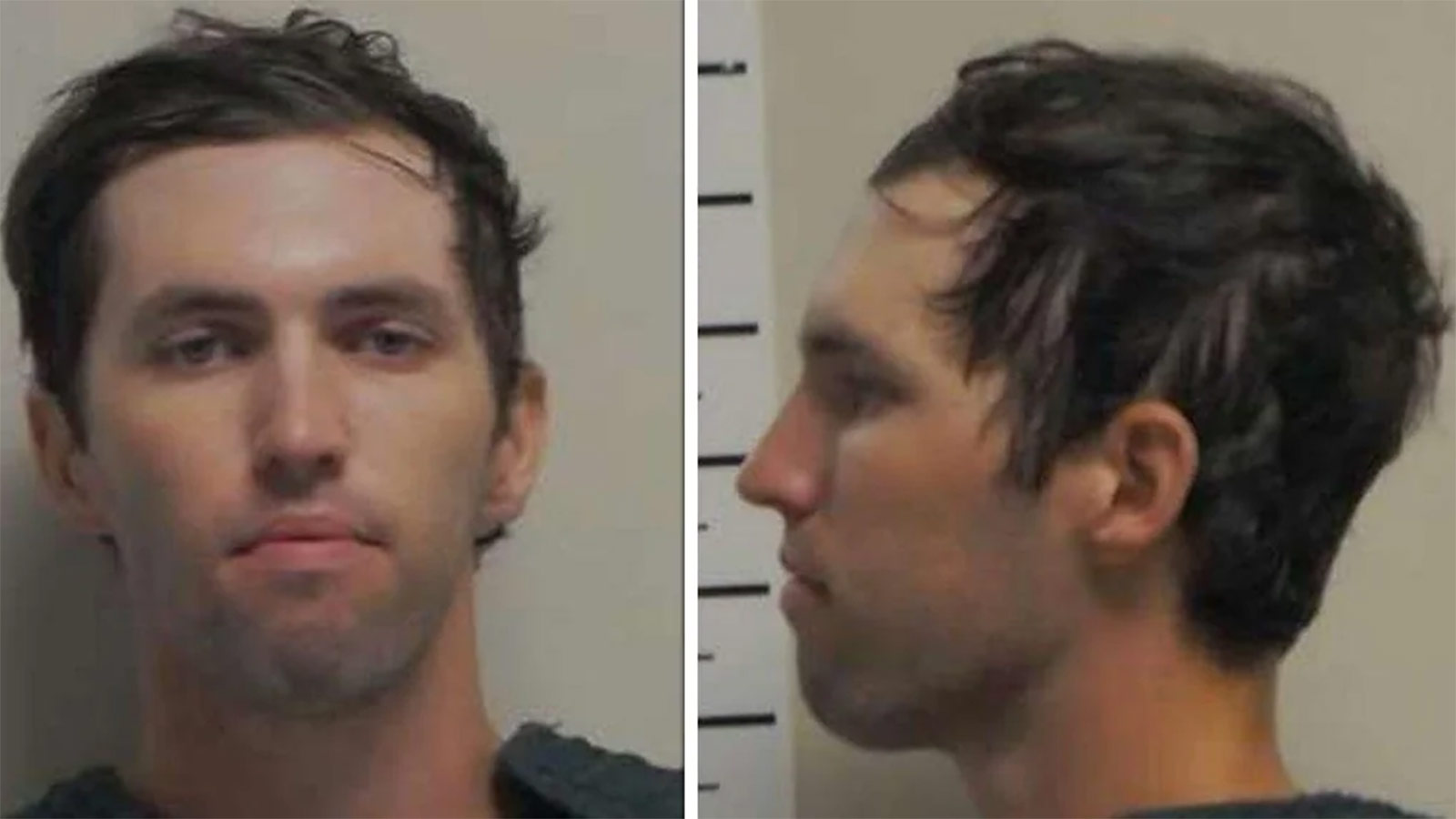
The hearing itself was brief but consequential. Robinson, who had no attorney listed in the Utah court docket, was informed by the judge that he would be assigned a court-appointed lawyer due to his indigent status. The decision set the stage for a lengthy legal battle, as prosecutors announced plans to seek the death penalty if Robinson is convicted of aggravated murder.
Authorities have charged Robinson with a total of seven offenses. These include aggravated murder, felony discharge of a firearm, and obstruction of justice. The full list of charges has not been made public, but officials say they reflect the severity and complexity of the case. Robinson is being held without bail, underscoring both the gravity of the accusations and the risks perceived by law enforcement.
Unraveling the Investigation: Discord Messages and a Family’s Role
The investigation into Kirk’s killing has unfolded at remarkable speed, but not without controversy. According to ABC News, FBI Director Kash Patel faced intense scrutiny during a Senate Judiciary Committee hearing, where he acknowledged that others may be under investigation in connection to the case. Patel revealed that, in the hours before Robinson’s arrest, the suspect had posted a confession in a private Discord chat: “Hey guys, I have bad news for you all … It was me at UVU yesterday. I’m sorry for all of this.”
Patel, testifying before Congress, said the FBI is now running down every individual connected to that Discord chat—more than 20 people in total. He emphasized the agency’s commitment to transparency, noting that the rapid release of surveillance images and video of Robinson was made against the advice of some law enforcement officials, but proved instrumental in the arrest. The key break came when Robinson’s own father, recognizing his son in the publicized photos, urged him to turn himself in. Initially resistant, Robinson ultimately agreed, a decision that brought an intense manhunt to a swift end.
As the investigation continues, questions remain about potential accomplices or the influence of online networks in the planning or aftermath of the shooting. FBI Director Patel made clear that the probe is far from over, telling senators: “There are a number of individuals that are currently being investigated and interrogated, and a number yet to be investigated and interrogated, specific to that chat room.”
Public Reaction: Division, Legacy, and the Battle Over Free Speech
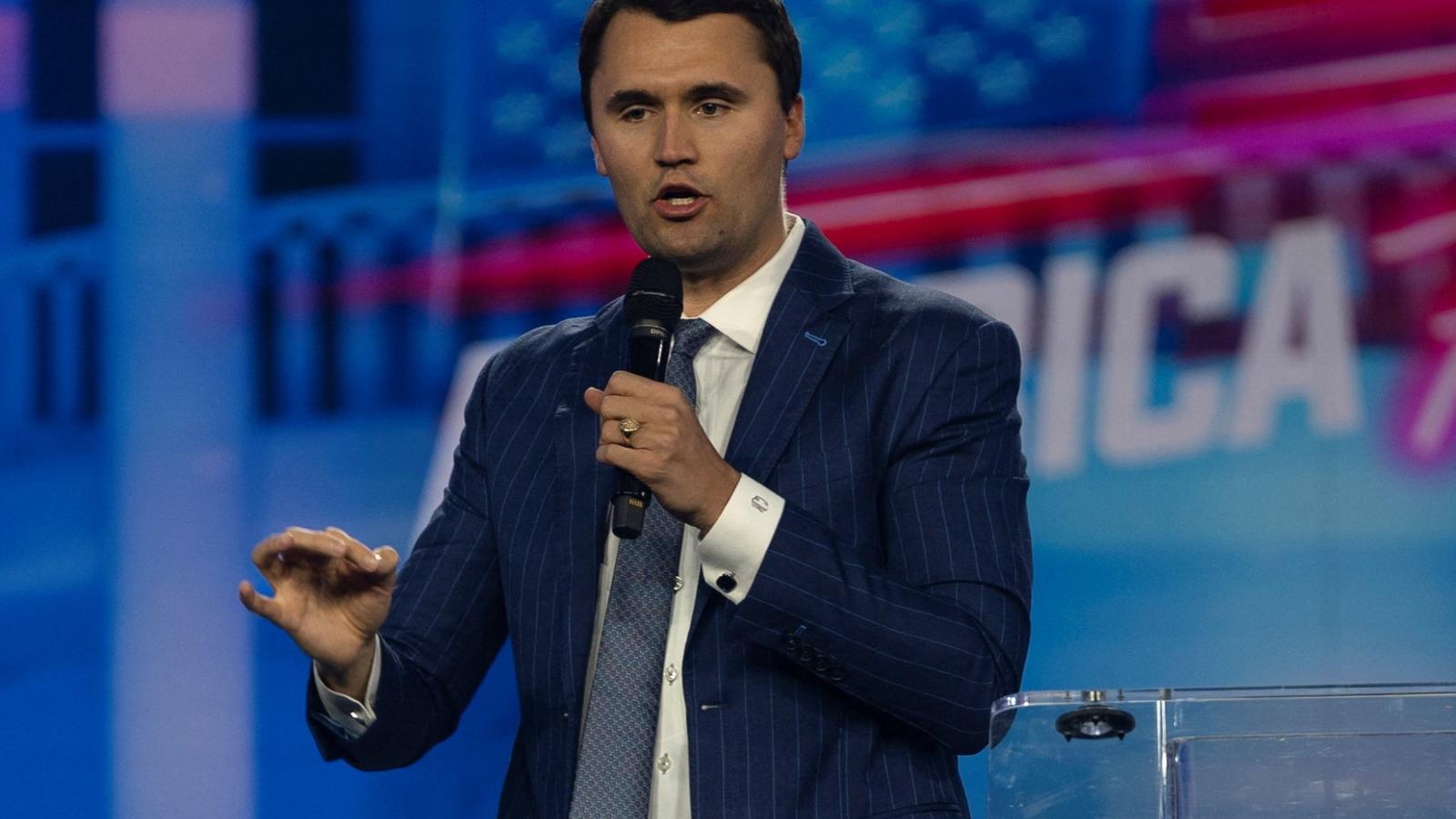
The shock of Charlie Kirk’s assassination has reverberated well beyond Utah. Kirk, a controversial figure who founded Turning Point USA and was known for his uncompromising views on college campuses, has been hailed by supporters as a champion of free speech. Critics, however, have pointed to his efforts to create lists of professors accused of spreading “leftist propaganda,” arguing that his legacy is more complex.
In the wake of his death, the New College of Florida announced plans to erect a statue in Kirk’s honor. The institution described the tribute as a commitment to defending free speech and civil discourse, a statement that immediately sparked debate across social and political lines. For some, the statue represents a necessary stand for open debate; for others, it is a symbol of the polarization that has come to define American public life.
The political response has been equally charged. Several Republican lawmakers have framed Kirk’s killing as evidence of a coordinated attack on conservative voices, while civil liberties organizations warn against using the tragedy to justify broader crackdowns on dissent. The White House has echoed some of these concerns, highlighting how narratives can quickly escalate in the aftermath of such incidents.
The Broader Context: Transparency, Legal Process, and an Ongoing Debate
Even as the case against Robinson moves forward, questions linger about the investigation’s transparency and the broader state of American justice. FBI Director Patel has faced both praise and criticism for his handling of the case, with some senators accusing him of sowing confusion through premature announcements on social media. Patel, however, defended his approach, arguing that timely disclosure was key to Robinson’s swift capture and that public cooperation remains vital in high-profile cases.
The legal proceedings are expected to be closely watched, not only for their outcome but for what they reveal about the intersection of digital communication, law enforcement, and public trust. The role of platforms like Discord, where Robinson allegedly confessed to the crime, has come under scrutiny, raising concerns about the influence of online communities and the difficulties authorities face in tracking digital evidence.
Meanwhile, the human cost of the tragedy is ever-present. Charlie Kirk’s supporters mourn a voice they saw as fearless and uncompromising; his detractors remember a man whose tactics often inflamed tensions. For Robinson and his family, the road ahead promises to be arduous and uncertain.
Amid the legal complexities and political rhetoric, one fact remains clear: the killing of Charlie Kirk, and the subsequent arrest of Tyler Robinson, have become a flashpoint in America’s ongoing debate about free speech, justice, and the power of digital communities to shape real-world events.
As the facts continue to unfold, the case of Tyler Robinson illustrates the profound challenges facing both law enforcement and society in an age when violence, ideology, and digital networks collide. The outcome of this trial may set not only legal precedent but also the tone for future debates over public safety, transparency, and the limits of online influence.