
Quick Read
- Tyria Moore met Aileen Wuornos in 1986 and became her girlfriend.
- Moore’s testimony, secured in exchange for immunity, was crucial in Wuornos’s conviction.
- She helped investigators obtain Wuornos’s confession through recorded phone calls.
- Moore withdrew from public life after the trial, seeking anonymity.
- Her role raises ongoing questions about loyalty, survival, and the justice system.
Who Is Tyria Moore? The Unlikely Witness at the Heart of a Serial Killer’s Story
In the tangled saga of Aileen Wuornos, the name Tyria Moore emerges as both an intimate bystander and a critical player. While the world remembers Wuornos as the volatile highway drifter who murdered seven men in Florida between 1989 and 1990, those who’ve probed deeper know Moore as the quiet pivot upon which the case turned. But who was she beyond the headlines and courtroom drama?
Moore met Wuornos in 1986 at a Daytona Beach bar. Their relationship blossomed quickly, growing from casual encounters to a passionate, complicated bond. As Wuornos drifted through life on the margins—abandoned, abused, and surviving by sex work—Moore became her anchor, her confidante, and, ultimately, the person who would help authorities unravel the mystery behind the murders.
The Confession: Moore’s Role in Wuornos’s Downfall
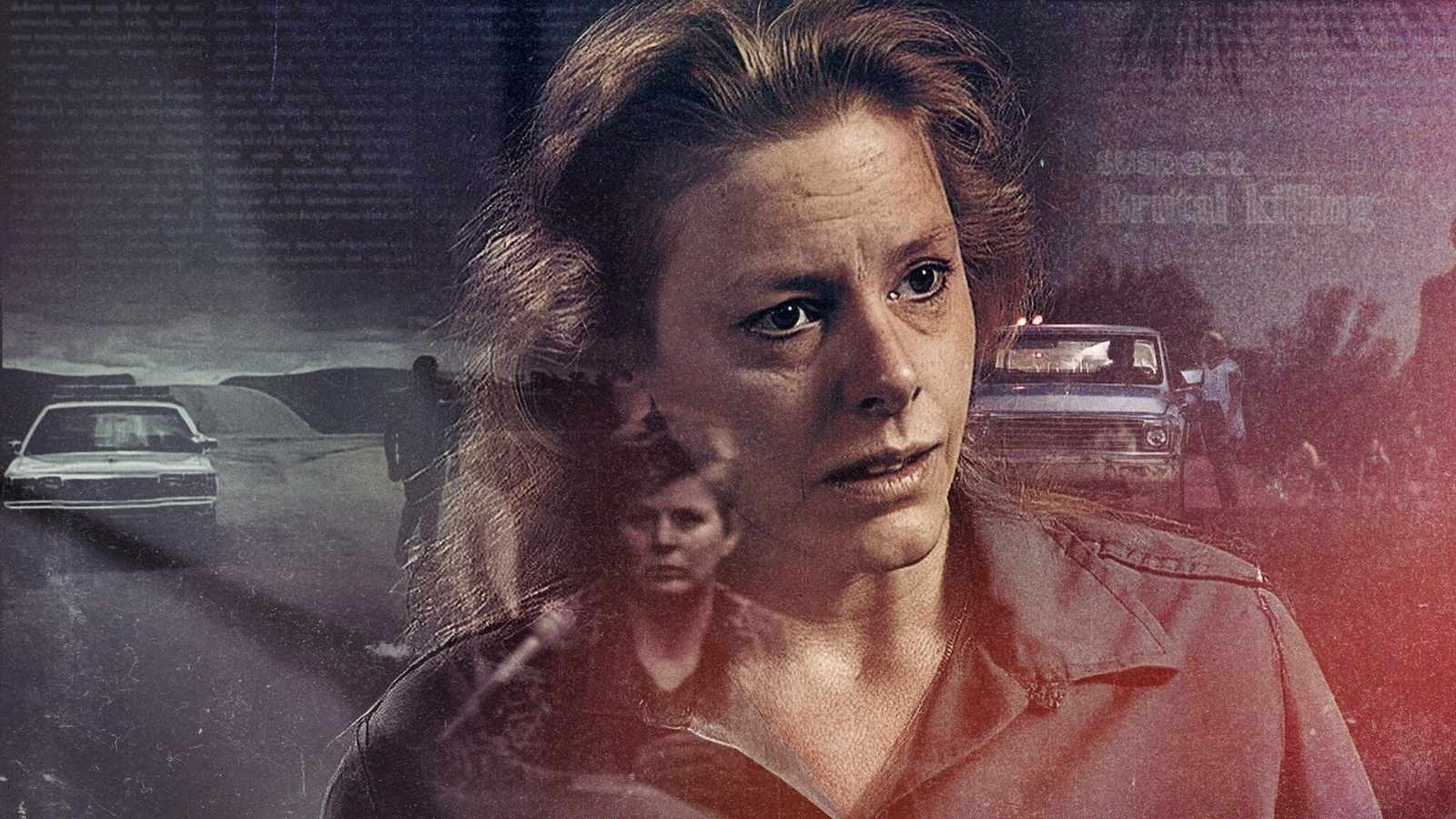
The documentary Aileen: Queen of the Serial Killers, as reviewed by India Today, reveals that Wuornos’s early confessions were often extracted through Moore. When police zeroed in on Wuornos, Moore was living hundreds of miles away, trying to distance herself from the chaos. Yet, investigators convinced her to help coax a confession from Wuornos. Their phone calls—tense, emotional, and raw—became the linchpin of the prosecution’s case. Moore, granted immunity for her cooperation, asked Wuornos direct questions, gently pressing her to admit the truth. In those moments, the lines between loyalty and self-preservation blurred.
For some, Moore’s actions are seen as betrayal; for others, a necessary step to bring closure to the victims’ families. The reality is far more nuanced. Moore was thrust into the spotlight, forced to choose between protecting herself or shielding the woman she loved. Her testimony, delivered with trembling honesty in court, shattered any remaining illusions about Wuornos’s innocence.
Media Frenzy and the Price of Survival
Moore’s involvement didn’t end with the trial. As the case became a media spectacle, the narrative of the “lesbian hitchhiker serial killer” swept through tabloids and talk shows. Moore herself was painted in broad strokes—sometimes as a victim, sometimes as a manipulator. The truth was lost in a storm of speculation. According to India Today, the documentary dissects how media outlets commodified Wuornos’s suffering, often using Moore’s role as emotional bait for the audience.
Moore’s own life after the trial became a study in retreat. She disappeared from public view, reportedly living under assumed names, haunted by memories and the weight of her involvement. Interviews from the era show her as a deeply conflicted figure—neither hero nor villain, but a woman caught in the crossfire of a tragedy she never imagined.
The Complexities of Love, Loyalty, and Justice
What makes Moore’s story resonate is not just her proximity to violence, but the emotional complexity she embodied. She was Wuornos’s lover and, in the end, her undoing. Their relationship defied simple definitions. Was Moore manipulated by Wuornos? Or did she herself manipulate events to save her own skin? The answer remains elusive, buried under layers of trauma, survival, and the relentless machinery of the justice system.
The documentary’s raw footage—angry, confused, heartbreakingly human—casts Moore as a reluctant participant in a spectacle far bigger than herself. Her testimony reframed the case, allowing prosecutors to present Wuornos not as a misunderstood victim, but as a spree killer whose violence defied the expected patterns of female murderers. The courtroom scenes, filled with psychological unraveling, highlight just how much Moore’s actions shaped the outcome.
Aftermath: Where Is Tyria Moore Now?
After testifying, Moore vanished from the public eye. She reportedly changed her name and relocated, seeking anonymity. Unlike the Hollywood retellings that followed (including Charlize Theron’s Oscar-winning performance in Monster), Moore never capitalized on her notoriety. She has granted only rare interviews, always marked by a sense of regret and distance. To this day, her whereabouts remain largely unknown—a testament to the enduring scars of her involvement.
Moore’s legacy is complicated. She was neither an accomplice nor a mere witness; her life was irrevocably altered by her relationship with Wuornos. The media, the courts, and even Hollywood have tried to fit her into neat archetypes, but Moore resists categorization. Her story, like Wuornos’s, is messy, disturbing, and deeply human.
As India Today observes, the machinery that turned Wuornos into a media sensation also ensnared Moore, commodifying her pain and erasing her agency. The spectacle of the trial, the frenzy of coverage, and the subsequent cultural mythmaking all contributed to a narrative that was never truly hers.
Lessons from Tyria Moore’s Ordeal
Moore’s journey prompts difficult questions: What is the price of survival in the orbit of a killer? How does one reconcile love with the imperatives of justice? And, perhaps most poignantly, what happens to those left behind when the headlines fade and the world moves on?
The story of Tyria Moore serves as a reminder that behind every infamous case are people whose lives are upended in ways the public rarely sees. Her actions may have secured a conviction, but they also exacted a heavy toll. Moore’s life is a cautionary tale about the intersection of trauma, loyalty, and the unforgiving glare of public attention.
In the end, Moore remains a shadowy figure—her choices shaped by fear, love, and necessity. The questions her story raises about complicity, exploitation, and personal responsibility are as relevant today as they were when Wuornos’s crimes first shocked the nation.
The facts show that Tyria Moore’s role in the Wuornos case was far more than a footnote; she was a fulcrum upon which justice and compassion collided. Her experience underscores how ordinary individuals can be swept up in extraordinary events, forever changed by the choices they make under pressure.