
Quick Read
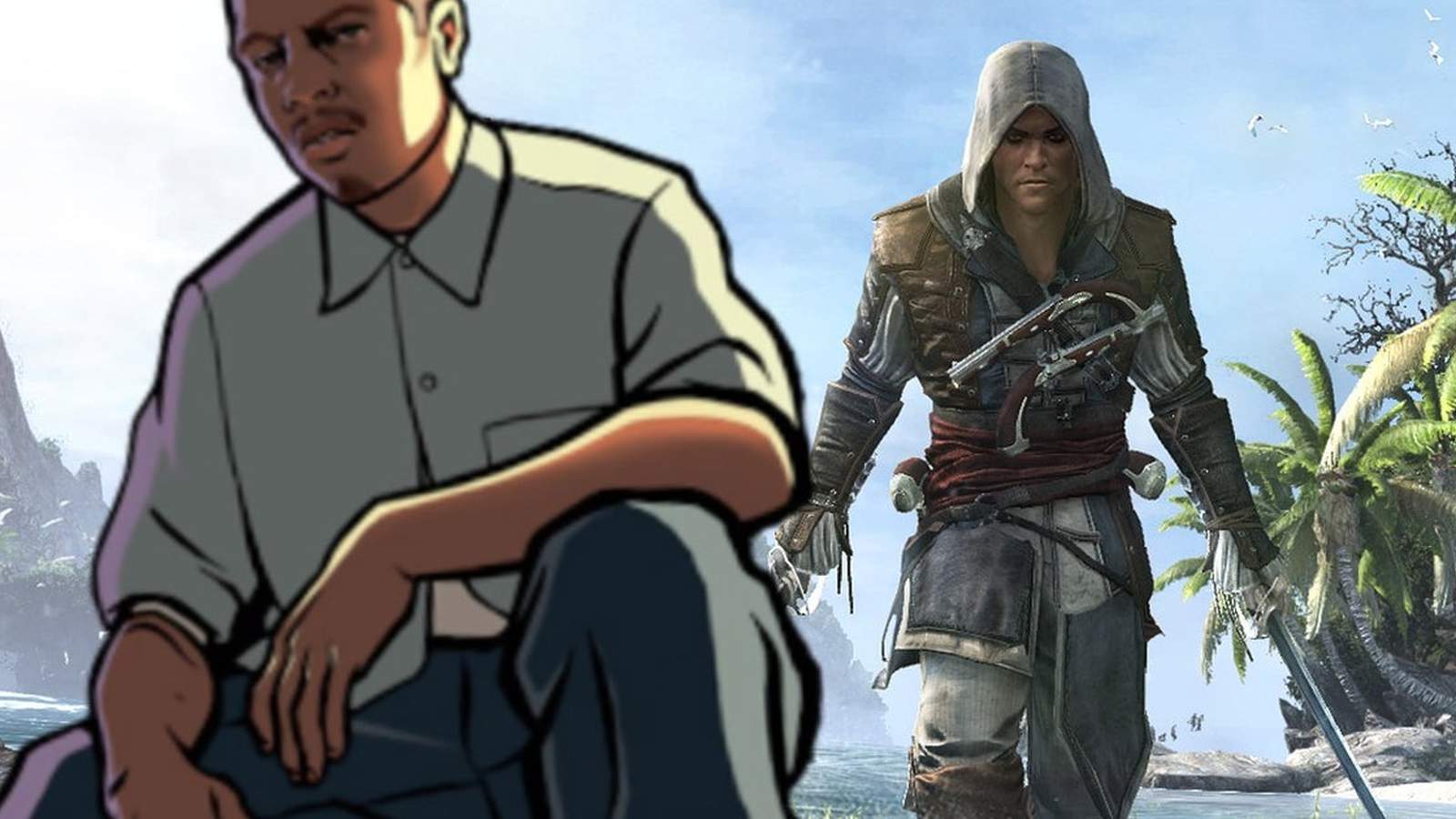
- Ubisoft’s official Assassin’s Creed social media account responded to Black Flag remake rumors with a Grand Theft Auto meme.
- The meme followed leaks of an Edward Kenway figurine, reportedly bearing Ubisoft and PureArts logos and a 2026 mark.
- Assassin’s Creed IV: Black Flag, released in 2013, is a fan-favorite known for its naval combat and open-world exploration.
- Remake speculation has persisted for over a year, fueled by actor hints and a ‘Black Flag Resynced’ PEGI rating.
- Fans expect a remake to modernize visuals and gameplay while preserving the original’s core identity.
YEREVAN (Azat TV) – Ubisoft has reignited long-standing speculation surrounding a potential remake of Assassin’s Creed IV: Black Flag, not through an official announcement, but by deploying a popular internet meme. The official Assassin’s Creed social media account responded to a recent leak featuring an Edward Kenway figurine with the iconic Grand Theft Auto: San Andreas line, “Ah, s***, here we go again.” This unusual, unofficial acknowledgment has once again propelled the 2013 fan-favorite title into the spotlight, fueling fervent debate among the gaming community about the remake’s existence and impending arrival.
Ubisoft’s Unofficial Acknowledgment and the Latest Leak
The social media interaction, which occurred recently, saw Ubisoft’s official Assassin’s Creed account reply directly to a user’s post on X (formerly Twitter). The original post showcased images of a purported Edward Kenway figurine, allegedly being sold on Vinted, with claims it would release in 2026. The figurine’s base reportedly features logos for Ubisoft and PureArts, along with a 2026 registration mark, lending some credence to its connection to a future release, as reported by Eurogamer and IBTimes.co.uk.
This meme-driven response marks a significant shift from Ubisoft’s previous stance of complete silence on the Black Flag remake rumors. For months, the company had offered no public clarification, creating an information vacuum where speculation, memes, and unverified leaks thrived. The choice to engage with a meme, rather than issue a formal statement, has been interpreted by many as a tacit admission that the project is indeed in development, or at least under serious consideration.
The Enduring Appeal of Assassin’s Creed Black Flag
Assassin’s Creed IV: Black Flag, originally released in 2013, remains one of the most beloved entries in Ubisoft’s extensive franchise. Its distinctive emphasis on naval combat, open-sea exploration across the Caribbean, and the charismatic pirate protagonist Edward Kenway, set it apart from its predecessors. Many players consider it a high-water mark for the series, offering a unique blend of classic Assassin’s Creed mechanics with an expansive, adventurous pirate experience that redefined open-world design within the franchise, according to The WP Times editorial team.
The game’s lighter, more exploratory tone resonated widely, broadening its appeal beyond the series’ traditional audience. Its legacy as a standout title, particularly before the franchise shifted towards larger-scale RPG systems, is a primary reason why even unverified hints of a remake continue to garner disproportionate attention more than a decade later. Fans consistently express a desire for a modernized version that preserves the original’s core identity while updating visuals, performance, and gameplay mechanics for current-generation consoles.
Years of Rumors and Leaks Fueling Black Flag Speculation
Speculation about a Black Flag remake has been ongoing for over a year. Early industry reports suggested Ubisoft was internally developing the project, with a potential 2026 release window. These expectations were further fueled by a steady drip of unofficial information. In August of last year, voice actor Matt Ryan, who portrayed Edward Kenway, hinted at the remake’s existence at a convention, reportedly leading to legal action from Ubisoft. Furthermore, a PEGI rating for a project titled ‘Black Flag Resynced’ was spotted in December, adding to the growing body of circumstantial evidence.
Ubisoft’s broader corporate landscape, marked by internal restructurings and project cancellations, including the delayed Prince of Persia: The Sands of Time remake, has complicated the narrative. Despite these challenges, the consistent flow of leaks—from potential collector’s edition statues to official rating board entries—has kept the remake firmly in the public consciousness. This sustained speculation, coupled with Ubisoft’s long-term silence, created a fertile ground for meme culture to flourish, effectively turning the rumor cycle into a recurring story in itself.
What a Black Flag Remake Could Entail
Should a Black Flag remake materialize, it would present Ubisoft with a delicate balance between modernization and preserving the original’s cherished elements. Beyond visual upgrades, players would likely expect refined naval combat, improved enemy and crew AI, modern quality-of-life features, and stable performance on current-generation consoles. However, there is also a strong desire for the remake to retain the original’s pacing, adventurous tone, and freedom of exploration, without succumbing to over-modernization that could dilute its distinctive appeal.
The community’s expectations are high for deeper mechanics and smoother controls in naval combat, seamless open-world exploration, and modern progression systems that avoid excessive grind. Ubisoft’s strategic ambiguity, while perhaps intended to preserve flexibility for development timelines, has inadvertently made every minor leak a potential confirmation in the eyes of an eager fanbase. As of now, there is no independently verified evidence that a full-scale remake is actively underway or approaching release, making Ubisoft’s meme response the closest thing to an official nod to date.
Ubisoft’s decision to engage with the Black Flag remake rumors via a popular meme signals a new, less formal approach to managing fan expectations and navigating the digital age of leaks. This strategy, while generating significant buzz and an immediate, widespread reaction, also underscores the growing power of online culture in shaping narrative around unannounced projects, effectively turning corporate silence into a form of passive, yet impactful, communication.