
Quick Read
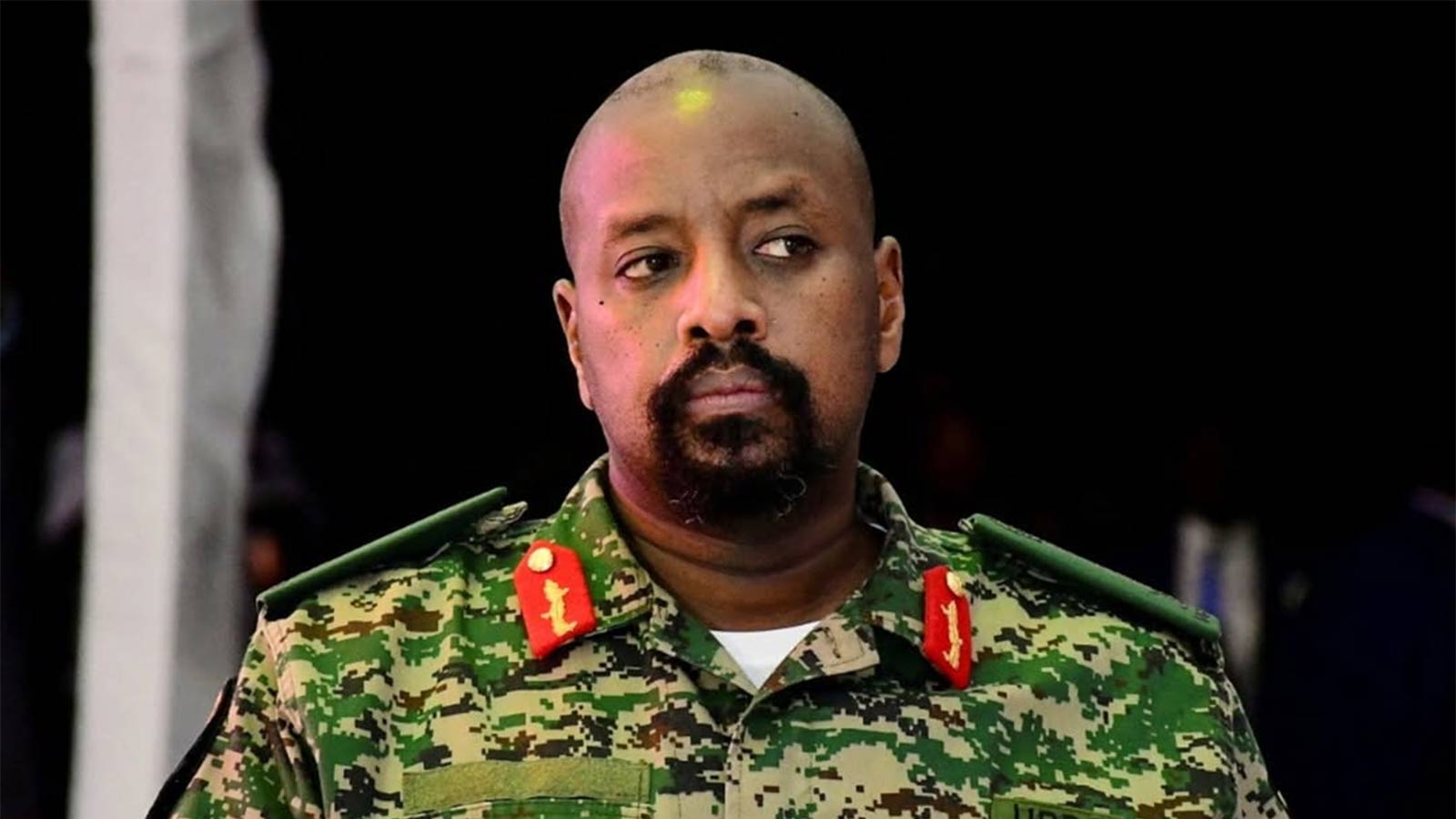
- Uganda’s Chief of Defense Forces, Gen. Muhoozi Kainerugaba, said Uganda would join the Iran-Israel war on Israel’s side if Israel faces defeat.
- The statement coincided with Uganda reporting a 77% increase in export earnings, highlighting growing economic strength.
- Ugandan farmers have filed a lawsuit in the UK to stop the East African Crude Oil Pipeline, citing environmental and constitutional concerns.
- Uganda recently passed a new copyright law tightening protections for creators and aligning with international standards.
- Regenerative cotton farming initiatives in Uganda’s Kidepo Valley are growing, supporting sustainable agriculture amid climate challenges.
KAMPALA (Azat TV) – Uganda’s Chief of Defense Forces, General Muhoozi Kainerugaba, declared on March 25-26, 2026, that Uganda would intervene in the ongoing Iran-Israel conflict on the side of Israel if the country faces defeat. This explicit military stance by a significant African power marks a notable shift in African involvement in Middle Eastern geopolitics, occurring simultaneously with Uganda reporting a 77% jump in export earnings, underscoring the country’s growing economic and strategic influence.
General Muhoozi Kainerugaba’s decisive statement on Iran-Israel conflict
General Muhoozi Kainerugaba, Uganda’s Chief of Defense Forces and a key figure in Ugandan politics, publicly warned that while Uganda desires an end to the Middle East war, any threat of Israel’s destruction would compel Uganda to join the conflict on Israel’s side. He tweeted, “We want the war in the Middle East to end now. The world is tired of it. But any talk of destroying or defeating Israel will bring us into the war. On the side of Israel!”
This declaration follows Muhoozi’s earlier announcement last month about erecting a statue of Yoni Netanyahu, brother of Israeli Prime Minister Benjamin Netanyahu, at Uganda’s Entebbe—a symbolic gesture reinforcing Uganda’s growing affinity with Israel.
The strategic and economic implications of Uganda’s stance
Uganda’s decision to align militarily with Israel in the volatile Iran-Israel conflict is unprecedented for an African military power and signals a potential shift in regional alliances and diplomatic relations across Africa and the Middle East. Uganda’s involvement could influence diplomatic dynamics, especially as Africa’s geopolitical landscape increasingly intersects with Middle Eastern tensions.
On the same day as Muhoozi’s announcement, Uganda reported a remarkable 77% increase in export earnings, a surge that may reflect the country’s expanding economic role amid global uncertainties. This economic growth, driven by sectors including agriculture and natural resources, situates Uganda as a rising regional actor capable of projecting both economic and military influence.
Ongoing challenges and developments within Uganda
While Uganda asserts its strategic position internationally, it faces significant domestic challenges. Farmers affected by the East African Crude Oil Pipeline (EACOP) have launched legal action in a British court against the pipeline’s developers, arguing that the project violates Uganda’s constitutional environmental rights and worsens climate change impacts. This case highlights tensions between Uganda’s economic ambitions and environmental and social concerns.
Moreover, Uganda recently passed a landmark copyright law aimed at better protecting creators’ rights and aligning with international treaties, reflecting efforts to modernize legal frameworks as the country’s economy diversifies.
In agriculture, initiatives promoting regenerative cotton farming in Uganda’s Kidepo Valley demonstrate a growing emphasis on sustainable land management and climate resilience, vital for a nation where agriculture employs two-thirds of the population.
General Muhoozi Kainerugaba’s explicit pledge to join the Iran-Israel conflict on Israel’s side marks a turning point in Uganda’s international posture, revealing a blend of growing military confidence and strategic alignment. Coupled with Uganda’s economic uptick, this development suggests the country is leveraging both hard and soft power to elevate its regional and global influence amid shifting geopolitical fault lines.