
Quick Read
- The UK’s 2025 Budget will be announced on Wednesday, November 26.
- Major tax rises and welfare reforms are expected, including a freeze on income tax thresholds and lifting of the two-child benefit cap.
- Chancellor Rachel Reeves aims to reduce NHS waiting lists, national debt, and cost of living without increasing government borrowing.
- Labour faces political risks due to broken promises on tax and welfare policies.
- The budget will be closely watched by markets, the public, and Labour’s own MPs.
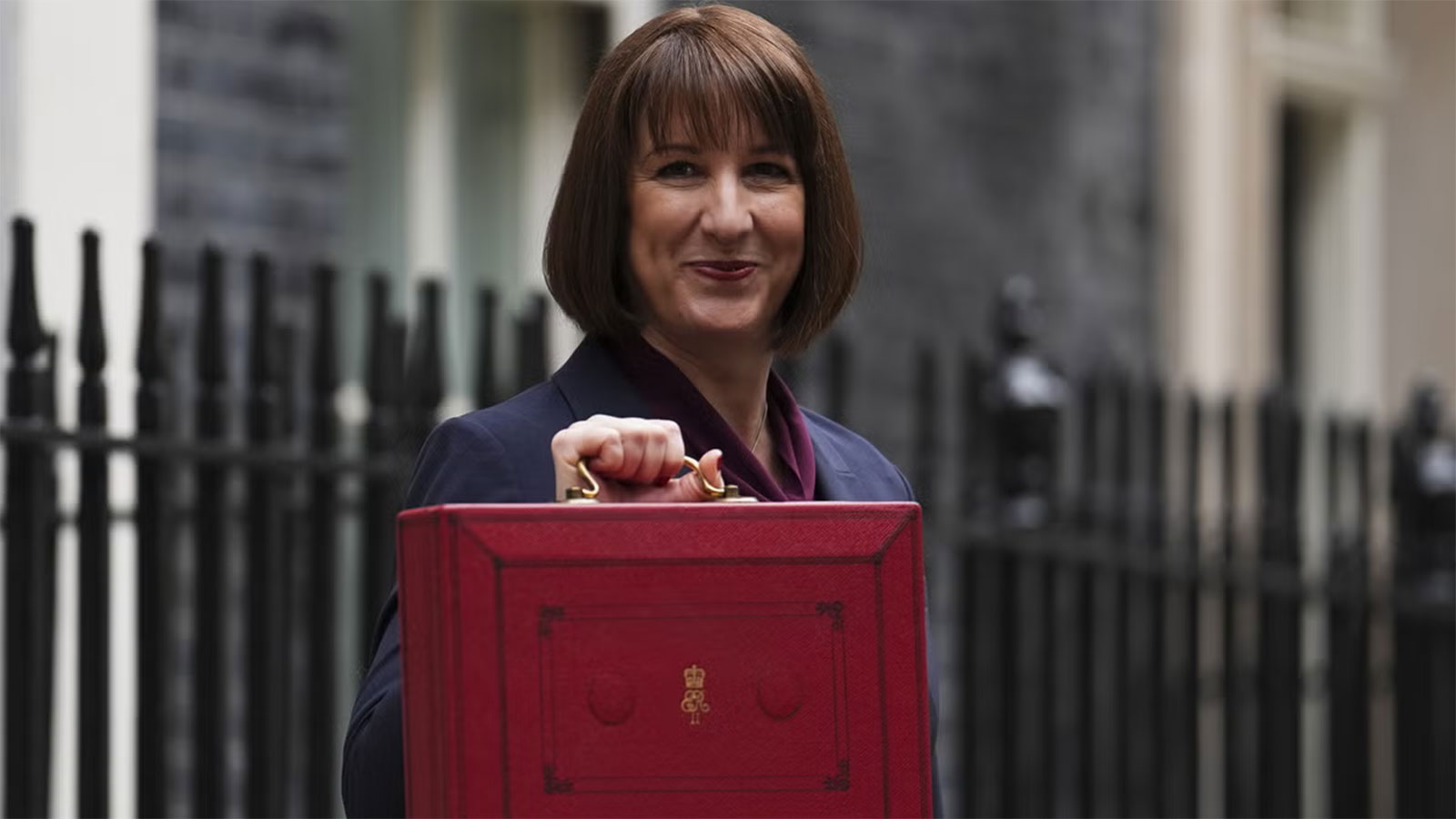
The stage is set for one of the UK’s most consequential budget announcements in recent memory. On Wednesday, November 26, 2025, Chancellor Rachel Reeves will stand before Parliament and the nation to unveil the details of the Budget 2025—a fiscal plan that, by all accounts, will define not only the coming year but the political fate of the Labour government led by Keir Starmer.
Budget day, often a battleground of numbers and policy, is about more than just tax rates and spending allocations. This year, it is a moment of reckoning for a government facing mounting skepticism from within its own ranks and across the country. As Sky News reports, the stakes are enormous: tax rises are expected to be substantial, the trajectory of public services will be set, and the pressure on Starmer’s administration is palpable.
When Is the 2025 Budget and Why Is It So Significant?
The 2025 Budget is scheduled for Wednesday, November 26—a date that has loomed over Westminster as the moment when Labour must reconcile campaign promises with harsh economic realities. The chancellor’s approach will be shaped by three core principles: cutting NHS waiting lists, reducing national debt, and lowering the cost of living. Yet, with the Office for Budget Responsibility downgrading the UK’s productivity forecasts, Reeves faces a £20bn gap in public finances, compounded by global issues like Donald Trump’s tariffs and domestic reversals on welfare policies.
This budget is not simply a routine adjustment. It arrives after a year marked by the largest tax hikes in a generation and a government that pledged no return to austerity or increased borrowing. Instead, Labour is doubling down on public investment—particularly in the NHS—and seeking new revenue sources to plug persistent deficits. The markets are watching closely, as are millions grappling with inflation, rising rent, and stagnant wages.
Key Measures: Tax Rises, Income Thresholds, and Welfare Changes
Among the headline-grabbing policies, the biggest is the two-year freeze on income tax thresholds, now extended until 2030. While Reeves previously criticized this measure for “hurting working people,” it has become the cornerstone of the budget’s revenue-raising strategy. Direct increases to income tax rates were considered but ultimately set aside, as officials feared the political fallout from breaking long-standing promises not to raise taxes on working people.
In addition, the government will lift the two-child benefit cap—a policy reversal that will cost £3bn annually. This move, popular among Labour MPs but less so with the general public according to polling, signals a shift in welfare priorities. The Conservatives are poised to exploit these changes, framing Labour as perpetually raising taxes to fund expanding public benefits, especially as the cost of supporting long-term health conditions is projected to soar from £65bn to £100bn by 2030.
Other potential revenue measures include a mansion tax targeting expensive homes, and possible new levies on gambling, tourism, and even milkshakes. Ministers are wary that seemingly minor tax changes could spark outsized political backlash—recalling the infamous “pasty tax” debacle of 2012, when a VAT increase on hot food became a symbol of governmental disconnect.
Political Fallout: Promises Broken and Leadership Under Pressure
The 2025 Budget is a test of Starmer’s ability to maintain party unity and public trust. Despite promises made during the election and in last year’s budget that tax increases would be a “once in a parliament” event, Labour is returning to the well. The lifting of the two-child cap—once deemed unaffordable—now appears alongside higher taxes, creating a narrative of broken pledges.
Internal turmoil has only intensified. The government has backtracked on winter fuel allowance and welfare cuts, and Downing Street has been rocked by resignations and scandals, including the departure of the deputy prime minister over tax underpayment and the firing of the UK ambassador to the US due to controversial ties. Starmer, who professes optimism about the country’s future, now faces a leadership drumbeat that grows louder with each perceived misstep.
Economic Context: Markets, Cost of Living, and NHS Challenges
Labour’s fiscal strategy is designed to reassure the markets by avoiding increased borrowing, which in turn should help keep inflation and interest rates in check. This is crucial for everyday costs—food, energy, rent, and mortgages—that remain stubbornly high. Yet, despite these efforts, many voters report little improvement in their financial well-being. NHS waiting lists continue to hover near record levels, with 7.4 million people awaiting non-urgent care at the end of September 2024.
The government will attempt to tell a more compelling story about its achievements, from expanding free childcare and breakfast clubs to increasing the national living wage and delivering above-inflation raises to public sector workers. But the core issue remains: has Labour delivered meaningful change?
For some, the answer is no. The cost of living crisis persists, economic growth remains elusive, and key social challenges—like small boat crossings and junior doctor strikes—show little sign of resolution.
What Comes Next?
Wednesday’s budget will crystallize the government’s priorities and expose its vulnerabilities. With tax increases and welfare expansions, Labour risks deepening the trust deficit with voters who expected a different approach. The Conservatives will seize on these moves to draw sharp contrasts, while internal Labour critics may push for leadership change if confidence continues to erode.
As the country waits for the chancellor’s speech, the underlying question remains: will this budget help restore faith in Labour’s ability to govern, or will it reinforce doubts about promises made and broken?
Ultimately, the 2025 Budget is more than a set of numbers—it is a referendum on Labour’s credibility and its capacity to adapt in turbulent times. The coming days will reveal whether Starmer and Reeves can persuade the public and their party that their vision still holds promise, or whether the calls for new leadership will grow impossible to ignore.